
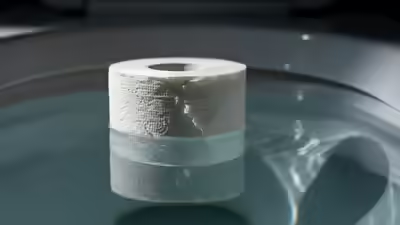

For most people, flushing toilet paper is an automatic habit—use it, flush it, forget it. But behind the scenes, plumbers, environmental experts, and engineers have been raising concerns about the long-term impact of this everyday practice.
What seems harmless may actually be affecting your plumbing system, increasing household costs, and contributing to environmental damage.
Your Plumbing System Is Under Pressure
Contrary to popular belief, toilet paper doesn’t instantly dissolve when flushed.
- Fibres travel through pipes and can clump together over time
- Older or slightly damaged pipes are especially vulnerable
- Gradual buildup leads to slow drains, stubborn clogs, and backups
Research on drainline transport shows that thicker paper is more likely to accumulate, increasing the risk of serious blockages.
Over time, repeated clogs can weaken plumbing systems, resulting in frequent repairs and costly maintenance.
The ‘Premium Paper’ Problem
Many households prefer soft, multi-layered toilet paper for comfort. However, studies suggest this may be a mistake.
- Thicker, quilted paper breaks down more slowly
- Fibres linger longer in pipes and sewage systems
- Higher chances of clogging compared to standard paper
In short, what feels luxurious can quietly create plumbing issues.
Higher Risks for Septic Tank Users
If your home uses a septic system, the impact is even more serious.
- Toilet paper fibres accumulate inside the tank
- Can clog the drain field, disrupting filtration
- Leads to frequent pumping and higher costs
- In extreme cases, may cause system failure
Experts often recommend reducing flushed waste to maintain system health.
Environmental Impact You Can’t Ignore
The issue goes beyond your home. Toilet paper production and disposal have wider environmental consequences:
- Large-scale deforestation for pulp production
- Use of chemicals that can enter water systems
- Increased load on sewage treatment infrastructure
Flushed paper contributes to water pollution and adds strain on already stressed ecosystems.
Practical Solutions You Can Follow
You don’t need drastic lifestyle changes—just a few smarter habits:
- Use a covered waste bin for disposal (especially in septic homes)
- Choose biodegradable or fast-dissolving toilet paper
- Avoid excessive usage
- Maintain your plumbing system regularly
These small steps can significantly reduce long-term damage.
A Simple Habit, A Big Impact
Changing how you handle toilet paper might seem minor, but the benefits are substantial:
- Fewer plumbing emergencies
- Lower repair and maintenance costs
- Reduced environmental impact
- Better long-term sustainability
Conclusion
Flushing toilet paper may feel routine, but its effects are far-reaching. From clogged pipes to environmental strain, this everyday habit carries hidden consequences.
A little awareness and a few adjustments can go a long way—not just for your home, but for the planet as well.
Comments are closed.