

Highlights
- Foldables dominate 2025 with refined durability, top-tier productivity, and strong software support.
- Sliders return as a niche mechanical innovation offering all-screen usability without creases.
- Dual-screen phones excel at multitasking but struggle with bulk, battery drain, and limited app optimization.
- In real-world use, foldables lead the mainstream, while sliders and dual-screens serve specialized user needs.
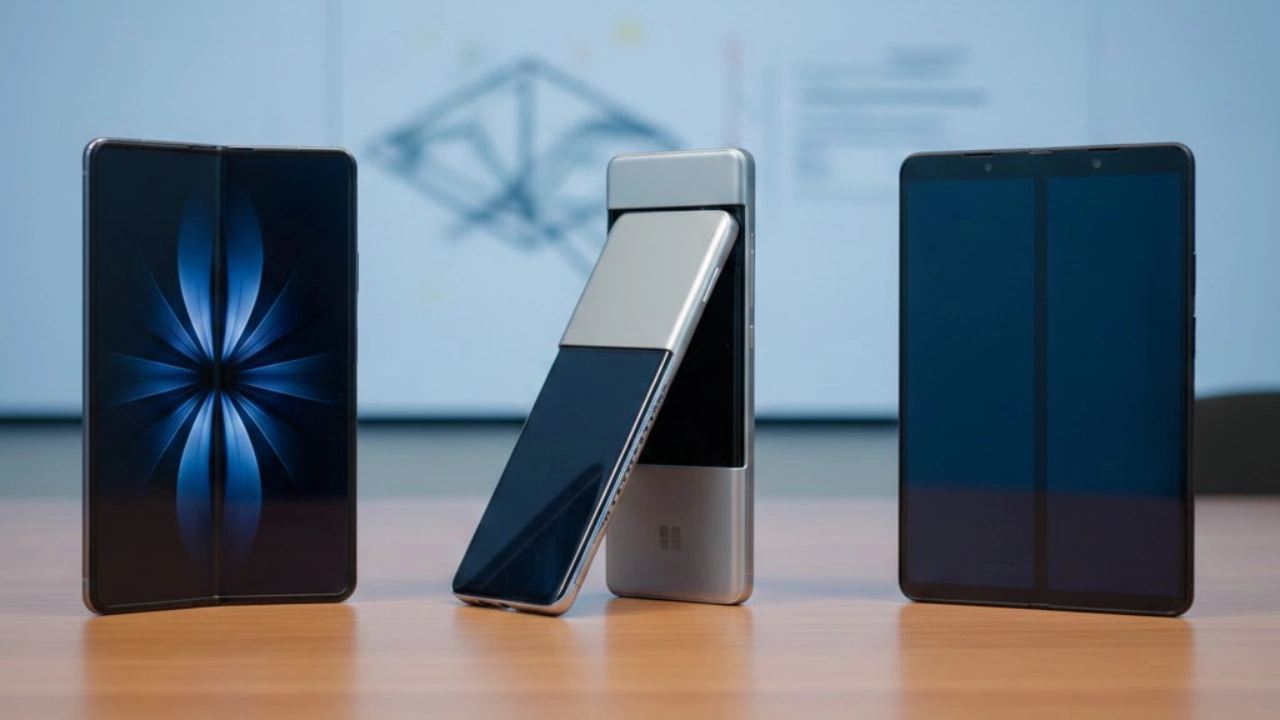
Smartphones have followed a very predictable slab design for over a decade, featuring rectangular screens, metal frames, and cameras in one corner. Since 2019, manufacturers have been breaking uniformity with different designs. By 2025, three alternative form factors will be foldables, sliders, and dual-screen phones. Each one of them redefines what a smartphone could be, the screen size a user needs, and the limits of hardware design in terms of durability and practicality.
All these factors make it very interesting that, in 2025, once highly unpopular forms that have vanished over time have now emerged as premium or sometimes mid-range choices for users seeking more than the traditional slab. It raises the question, however, which of the three form factors actually provides the best experience in practice? And which one will be there in the long run?
Today, we present the most thorough examination of the present-day strengths, weaknesses, and durability of folding phones, sliders, and dual-screen phones.
Foldables: The Mainstream Success Story
Foldables are no longer private devices meant only for early adopters. Samsung, Xiaomi, OPPO, Google, Honor, and even smaller Chinese manufacturers are treating foldables as their flagship products, treating them as the most critical product line. They have been made lighter, thinner, more durable, and, most importantly, more reliable than the first-generation foldables that made the news for cracking and creasing.
The primary benefit of foldables in 2025 will be increased productivity. A foldable phone, particularly one with a book-style design, is an ideal choice for users who want a pocket-sized device that can transform into a tablet. Tasks that were previously laptop-dependent, such as reading documents, editing photos, comparing spreadsheets, and watching content while messaging, have become effortless. The Galaxy Z Fold series from Samsung and the Magic V series from Honor feature multitasking tools so smooth they feel like the natural way of doing things; in addition, there has been collaboration with app developers to devise progressive layouts that make brilliant use of every screen space.
Foldables are also at their best for media consumption. The book-style format allows for the removal of bezels, discontinuation of the tablet form factor, and the provision of immersive experiences that no other phones can match. Foldable clamshell designs like the Z Flip series and Motorola’s Razr line attract users who are fashion-conscious and prefer compact telephones that can be unfolded into standard displays.
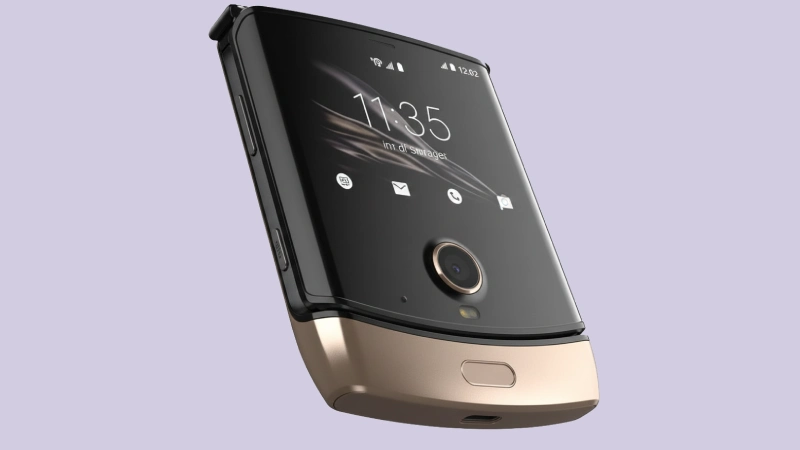
Nevertheless, the crease is still the most stubborn problem. Although it has noticeably shrunk, it is still present in almost every model, and the user has to decide whether to accept it as part of the experience. The hinge, being a mechanical weakness in the phone, does not disappear either. Manufacturers today incorporate waterdrop hinges, carbon fiber parts, and flexible glass, but long-term durability still raises doubts from time to time.
Another unfolded reality is that it is difficult to achieve the battery’s maximum capacity in these designs. The division of batteries and the puzzling internal structures are the reasons why foldables frequently fall back on conventional phones in endurance. However, while they are gaining acceptance, foldables are still pricier than similar slabs in terms of camera and performance specs. Despite all of this, the foldables have clearly shown commercial success over the other two categories in this comparison. They offer software support, regular upgrades, and a roadmap for future innovation. Although they come with imperfections, foldables are no longer experiments; they are premium smartphones established in the market.
Sliders: A Mechanical Delight that Returned
Sliders were an unexpected and astonishing revival of the decade. They were already considered dead after the era of feature phones. Still, these devices reinvented themselves and turned a modern pain into a gain: the desire for an all-screen phone without the fragility of foldables and the thickness of dual-screen phones.
In 2024 and 2025, several Chinese companies began experimenting with vertical and horizontal sliding mechanisms that would either hide the cameras, enlarge the displays, or reveal the controls. The most significant benefit of the modern slider is its elegant design. Like foldable smartphones, sliders are still made of the good-old smartphone sections that were once used. They are Design Sliders: A Mechanical Delight that returns just like other devices; they have only one hidden feature that enlarges their working area when needed. Some instances feature a front camera setup, while others achieve a foldable experience by extending the display.
A few gaming-focused sliders even expose shoulder buttons or cooling vents. Because slider screens are rigid rather than flexible, they do not have the same durability issues as foldable screens. There are no creases, no risk of punctures in the screen’s inner layer, and no soft polymer layer that requires protection. All these points add up to a quality of confidence and sturdiness that is already absent in foldables.
On the other hand, sliders also have their disadvantages. The sliding mechanism, no matter how well-made, introduces moving parts, making dust resistance a challenge and long-term mechanical wear a concern. Even with magnetic rails, ceramic bearings, or new friction-free tracks, sliders still have more mechanical complexity than slabs. This complexity means few manufacturers are willing to invest in the large-scale production of slider devices.
Software optimization is an area of inconsistency, too. Because slider phones are still a minority compared to foldables, app makers often overlook slider features and layouts for extended displays. The quality of user experience can be described as experimental in some cases; apps are polished, others quite clumsy.
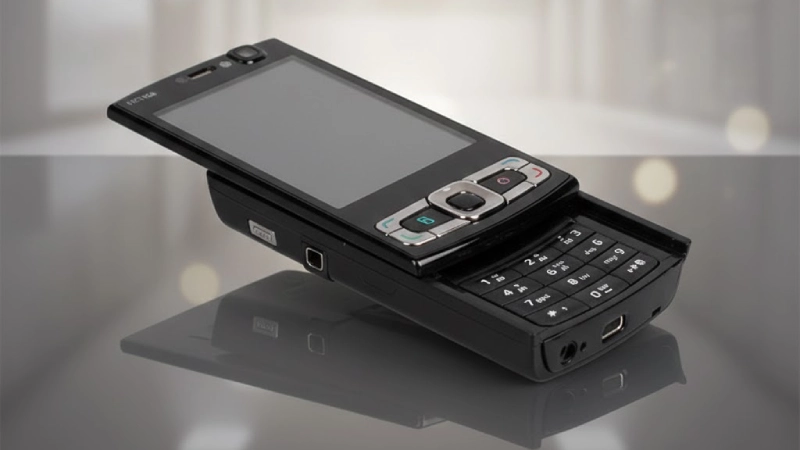
Besides, the issue of managing battery life and storage space arises. The rail slider mechanism occupies internal space, forcing producers to relocate batteries, camera sets, and fans. As a result, compromises may be required, such as reducing camera size or battery capacity. Sliders are appealing, ingenious, and forward-looking, but are still somewhere between a niche innovation and a practical use in the mainstream. They captivate users who like something different, but not many people consider them their primary phone, so the adoption of this technology is not widespread.
Dual-Screen Phones: The Productivity Powerhouse with a Split Identity
Two-screen mobile devices are the most divisive among the three types of form factors. They do not turn over into a single uninterrupted screen, nor do they conceal their functionality through a mechanism. Instead, they show two panels, one beside the other or on the back, each performing a different function.The best possible scenarios for dual-screen phones are unbeatable.
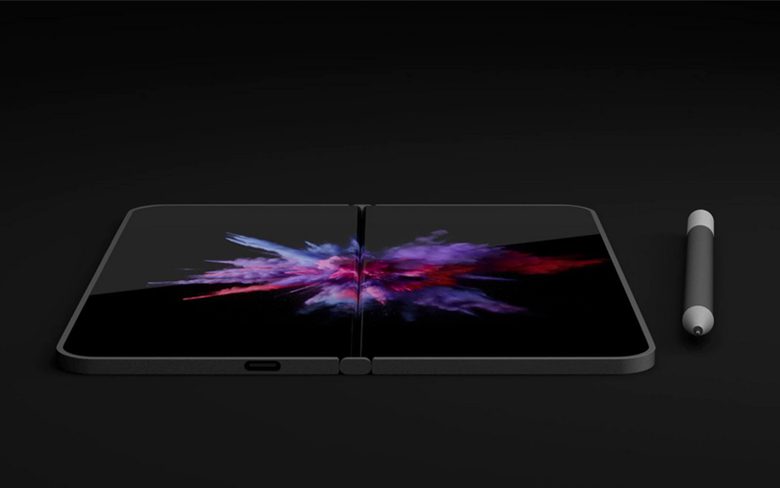
Adding the features of these mobile phones, the user has the highest possible multitasking: running video on one screen while typing on another, referring to documents without switching tabs, dragging items between apps, or spanning content across two displays, thus creating a workstation-like experience on a palm-sized device. Microsoft was one of the first companies to bring this category with the Surface Duo series. However, the market traction was slow, and the idea became popular in enterprise circles, education, and niche creative roles.
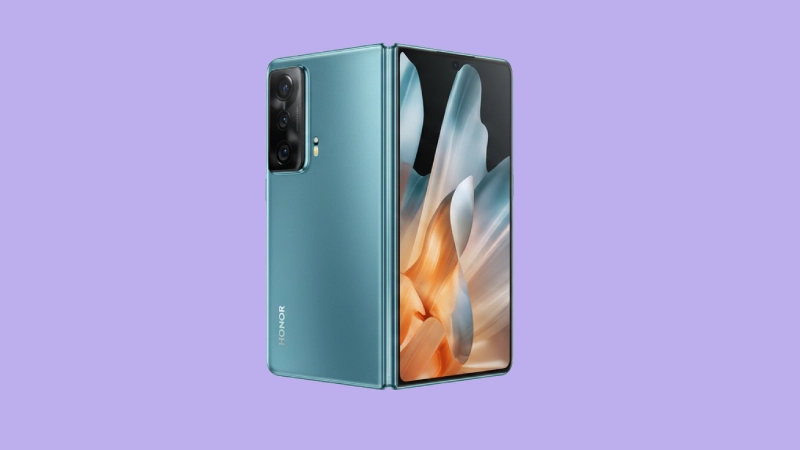
The functionalities of dual-screen phones are remarkable and include note-taking, digital drawing, and side-by-side workflows. Students like the layout for studying or document annotating. Journalists and writers find it helpful to do research on one side and write on the other. Game and app designers are using the dual-screen format to interact with the tools and preview their work concurrently.
Doubt has been raised over the mass production and marketing of dual-screen devices. The hinge is straightforward, but the need for two rigid panels results in much higher thickness, weight, and power consumption. The battery drains much faster when both screens are on, which usually requires aggressive power management or a dual-battery setup. In the real world, the device’s lifespan is also negatively affected when there are two screens; the risk of damage increases by 100%.
Cases and screen protectors are more difficult to deal with. In addition, because dual-screen designs occupy a small niche, developers often give them lower priority in optimization. Many apps are indeed functioning correctly, but others are treating the device as if it has a poorly extended display. The pricing of dual-screen phones is still another limitation. Dual-screen phones are priced similarly to foldables, yet they do not offer the “wow factor” of the flexible displays or the imperceptible expansion of the slider. They are fantastic tools for specific workflows, but they are less adept as all-around daily-use phones.
Durability: Who Wins in Real Life?
Durability has always been the most essential quality that differentiates these phone types.
Foldable phones have undergone significant improvements over the past few years, thanks to ultra-thin glass, better hinge sealing, reinforced spines, and stronger protective layers. But even with all that, they are still the most delicate, mainly because of the nature of flexible displays.
Sliders are already more durable than foldable phones, but they still have the disadvantage of being susceptible to dust infiltration and wear on the rails. They are robust but need to be handled with care. The modern blend of two screens in one model is the main problem in terms of robustness, and the main advantage is the open display area.
In case of an accident, if one screen is cracked, the other might not be functional, and the repair cost will be high. In terms of durability, the sliding phones are the winners, followed by the dual-screen ones, and lastly the foldable ones, not because foldables are weak. Still, their display architecture is the only reason that they are weaker.
Software Optimization: The Hidden Decider
Folding devices have the best up-to-date software ecosystem, as Samsung, Google, Xiaomi, and OPPO are pouring significant resources into the development of adaptive UI frameworks. Apps are resized intelligently, multitasking is seamless, and Android now includes built-in foldable support.
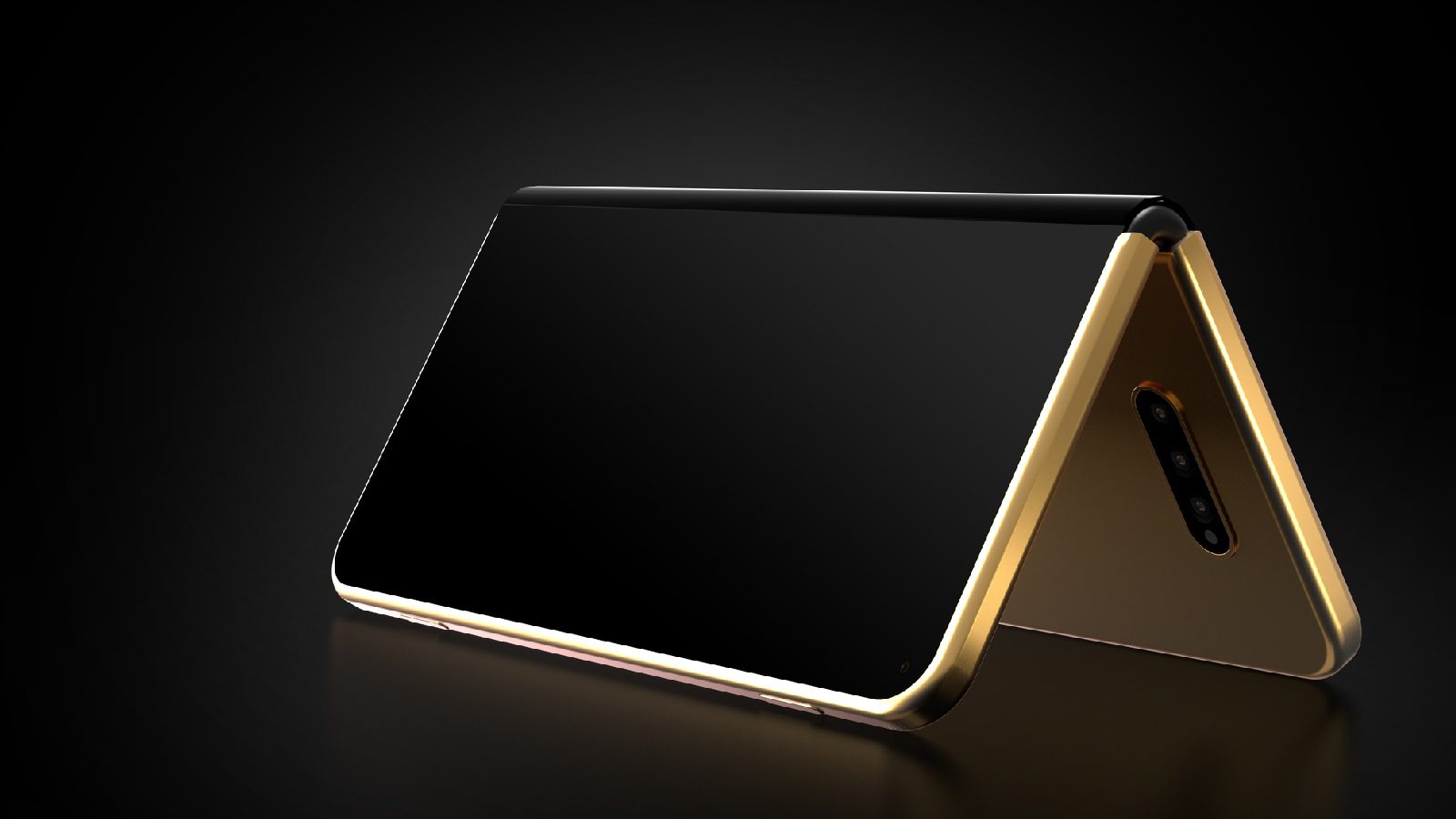
Sliders, on the other hand, are a whole different story. Due to the rarity of slider devices, developers rarely build slider-specific layouts, which limits the device’s full potential.
Dual-screen smartphones also find themselves in a similar situation. A minimal number of programmers make applications that are aware of the dual-window, and if that support isn’t there, most apps just get awkwardly stretched. Foldables take a convincing win in this area.
Which Form Factor Is Best in 2025?
Foldables have won the battle for the mainstream future. The mirror-style models are hard to beat in terms of productivity, entertainment, and versatility. The clamshell models seduce with beautiful compactness and full smartphone capabilities. Foldables are the only non-standard form factor that is widely clinically supported, has clear upgrade paths, and is attracting strong momentum.
Sliders, on the other hand, are the choice of the faithful ones- inventive, charming, and paradoxically more convenient for those who want to be different without losing durability. Still, they are small and only slightly experimental.
Dual-screen phones are meant only for certain professions. On one hand, they are great at multitasking and productivity, while on the other hand, they cannot attract the regular consumer.
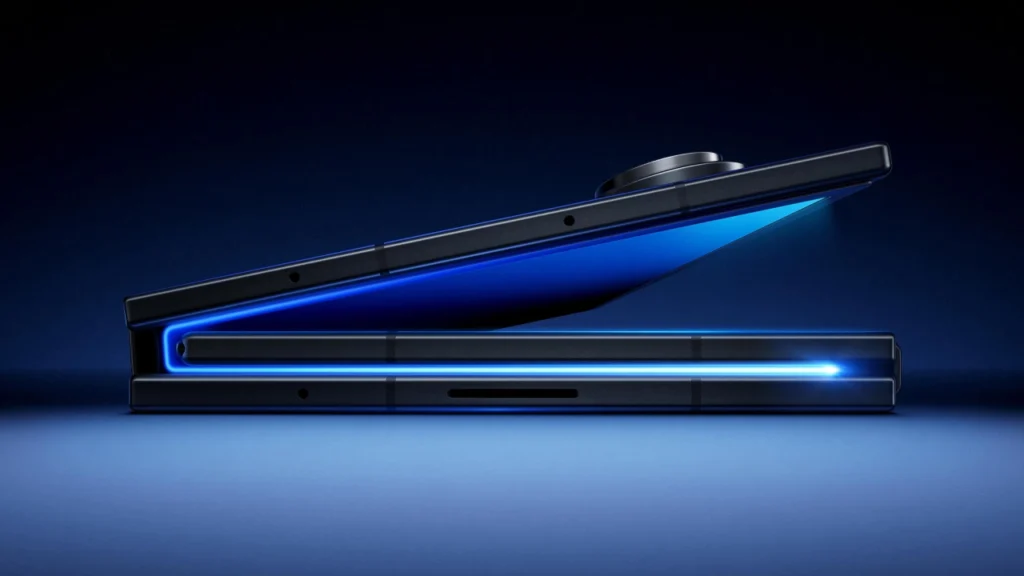
Finally, in 2025, the smartphone market will again become diverse, but only foldable phones have transitioned from being merely a curiosity to widespread acceptance. Sliders and dual-screen devices are adding variety to the market with their unique strengths, and they are even encouraging the development of new technologies. Still, they have not yet been able to take the position of successors. So the best form factor is not about the most advanced technology, but about the one that fits your daily rhythm. And that more than ever is a matter of what you value: being flexible, having a strong device, being creative, or just being productive.

Comments are closed.