
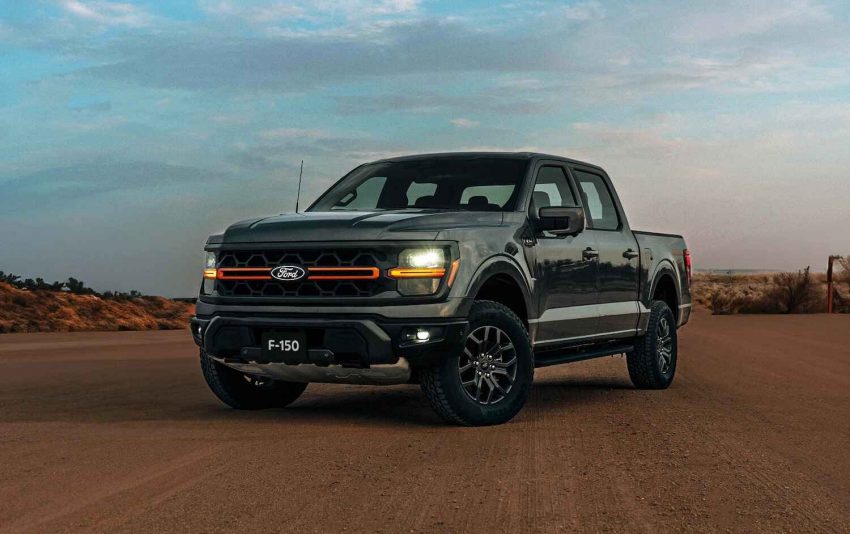

Buying a full-size pickup or SUV just got a little more expensive — even before you add options. Ford and General Motors have quietly increased destination charges on their largest trucks and SUVs to as much as $2,795, pushing shipping fees to new highs.
The increase, first spotted by TFL Truck through online configurators, affects a wide range of full-size and heavy-duty models. That includes Ford and Lincoln vehicles, along with Chevrolet and GMC trucks and SUVs. Cadillac goes even further, charging $2,895 in destination fees for the Escalade.
While destination charges have always been part of vehicle pricing, the latest hike highlights a broader trend. Automakers are gradually raising these mandatory fees as production, logistics, and freight costs continue to climb.
Destination Charges Keep Climbing
Over the past few years, destination charges have steadily increased across the industry. But for full-size pickups and SUVs — already among the most expensive vehicles on sale — the jump is particularly noticeable.
Since 2021, destination fees for some trucks have risen by as much as 48 percent. That means buyers today are paying hundreds more than they did just a few years ago, even if the vehicle’s base price appears unchanged.
Automakers typically include these charges as a standard fee, meaning customers cannot negotiate or remove them. The idea is to standardize delivery costs across the country, regardless of how far a vehicle travels from factory to dealership.
Ford confirmed this approach, noting that destination fees are calculated as an average nationwide cost. The company also pointed out that smaller vehicles carry lower shipping charges. For example, the Lincoln Corsair currently has a destination fee of $1,495 — significantly less than full-size trucks.
General Motors echoed a similar position, saying destination and freight charges are periodically reviewed and adjusted based on market conditions and operational costs.
Competitors Aren’t Far Behind
Ford and GM may be leading the increase, but competitors aren’t far behind. Ram currently charges $2,595 in destination fees for the Ram 1500, while Toyota lists a $2,095 charge for the Tundra.
The gap between brands is relatively small, and industry observers expect other automakers to follow suit if shipping and logistics costs remain elevated.
While a few hundred dollars may not seem significant on vehicles that often exceed $60,000, the rising fees add to a growing list of costs buyers must consider. Destination charges are mandatory, and unlike incentives or discounts, they rarely go down.
Why Fees Are Rising Now
Automakers have not provided detailed reasons for the latest increases, but several factors are likely at play. Rising transportation costs, supply chain adjustments, labor expenses, and tariff pressures are all contributing to higher overall vehicle costs.
As manufacturers run out of ways to absorb those expenses, destination fees have become an easier lever to pull. Unlike base pricing, these charges often attract less attention but still impact the final purchase price.
For buyers shopping full-size trucks or SUVs, the message is clear: even before options, taxes, and dealer add-ons, the cost of getting the vehicle to the lot is now nearing $3,000 — and climbing.

Comments are closed.