
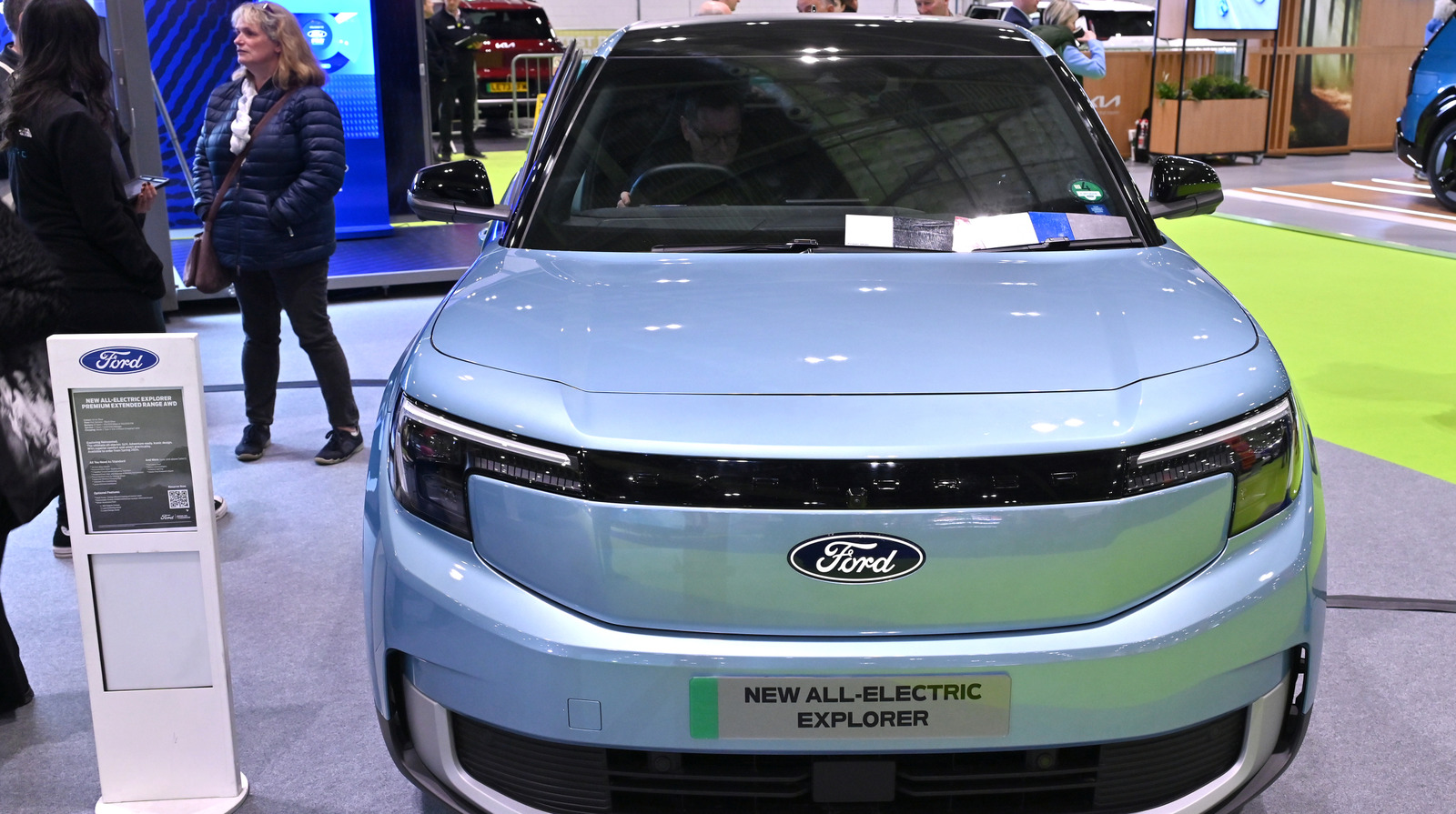

The dynamics of the US EV market changed dramatically in 2025. Tesla lost its crown as the world’s biggest electric car brand to China’s BYD. EV sales in the US declined owing to the rising cost of ownership, and numerous labels went back to the drawing board to reassess their electrification plans. Ford is no exception, but its EV flub is costing billions of dollars. The company has announced charges totaling $19.5 billion as it restructures an EV strategy that failed to leave a mark amid rivals such as Tesla.
Ford says the hefty sum will be recorded as “special items,” roughly $6.5 billion of which is linked to the cancellation of multiple EV projects. Additionally, Ford also put the plans for a US-based battery operation on cold ice, which took its own hefty toll worth $6 billion. This is after Ford lost $5 billion on its EV ambitions in 2024.
An analysis by Reuters notes that Ford is bearing huge charges to avoid bigger EV-linked losses in the immediate future, though the company hopes the electric car business will finally become profitable in 2029. According to The Wall Street Journalthe hit taken by Ford is among the largest impairments absorbed by a company. “Instead of plowing billions into the future knowing these large EVs will never make money, we are pivoting,” Ford Chief Executive Jim Farley was quoted as saying by the outlet. The company still hopes for a major portfolio overhaul that includes a 50-50 volume share between ICE vehicles and a combination of EVs, hybrids, and extended range electric vehicles (EREV).
What’s next for Ford and EVs?
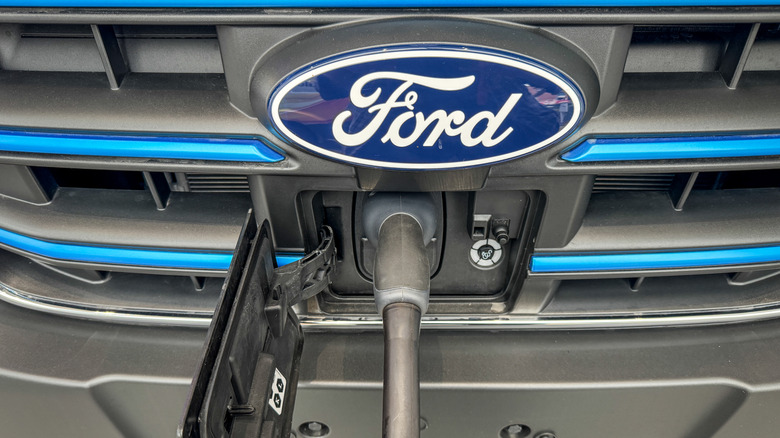
Ford hoped to taste EV success with a tentpole like the F-150 Lightning, but the electric pick-up truck didn’t quite materialize into blockbuster success. Additionally, the lack of mass-market affordable EVs that could challenge the dominance of Tesla proved to be another weakness for Ford. Sensing the tides, the company pulled the plug on its all-electric F-150 Lightning and transitioned to a gasoline-powered extended range EV format (EREV). Ford says it is turning to “higher-return opportunities” and the battery energy storage business, which also tags alongside the cancellation of multiple electric vehicle projects.
The company is blaming slowing demand, changes in the regulatory framework, and rising costs. Instead of chasing large-format electric vehicles, Ford is shifting its focus to family-focused, affordable EVs that can move in higher volumes. Developed atop the Universal EV Platform, Ford will kickstart a new phase with the release of a midsize pickup truck in 2027, and it could cost in the $30,000 ballpark, as per The Journal. Farley recently said on an earnings call that a family of affordable cars is right around the corner.
Farley also told CNBC that electric cars in the $50,000-80,000 range were a tough sell, and moving ahead, the focus will be on “smaller, highly efficient and affordable electric vehicles.” It will be interesting to see how Ford attracts buyers when the market already has solid options, such as the Nissan Leaf, Hyundai Kona, Chevrolet Equinox EV, and the Toyota BZ series. Meanwhile, the plans for an electric commercial van have been nixed, and it will be replaced by a hybrid (and ICE) variant for the American market. Simultaneously, the company will also expand its portfolio of gas, hybrid, and extended-range electric vehicles.

Comments are closed.