
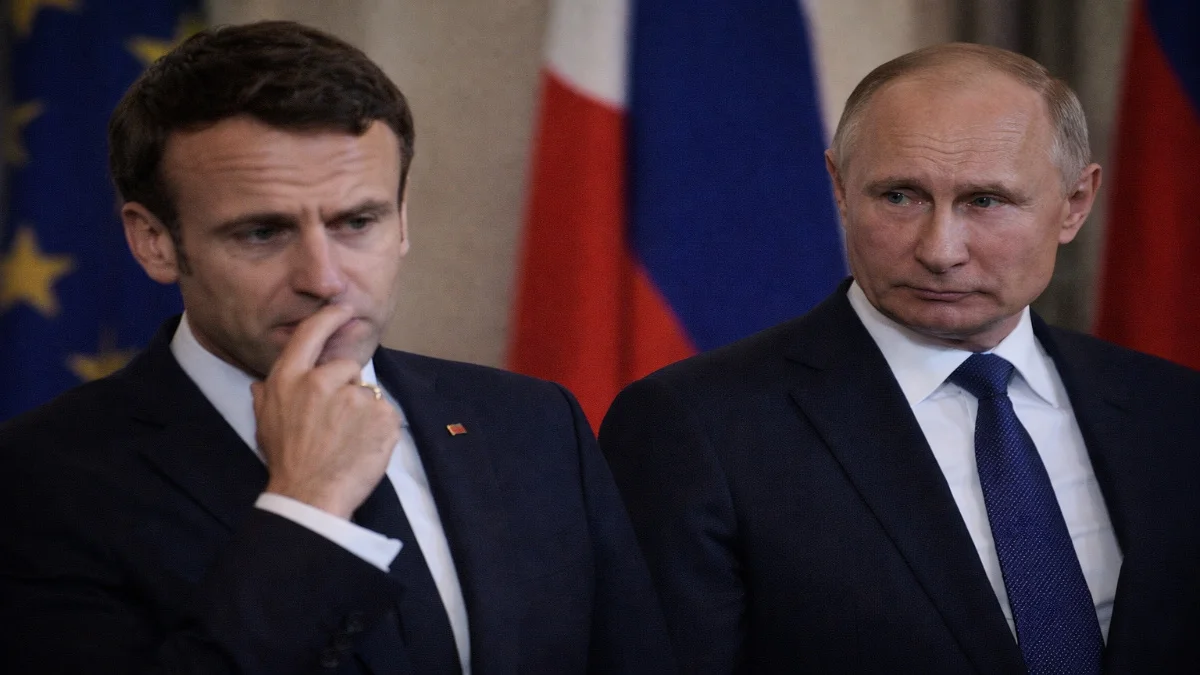

France has been very insistent on the fact that the expansion of the European Union should not be influenced by external geopolitical pressure but should be informed by the decisions of the member states. Debates have ensued over the decades with the French policymakers asserting that the inclusion of new countries should be done under rigorous standards and scrutiny to maintain the integrity and viability of the block. This status has grown in a bigger way, due to the heightening of expansion debates over the years as the war between Ukraine and Russia continues and the world strives to gain influence once again in Europe.
The issue of EU expansion has become pressing in the recent years with Ukraine, Moldova, and a number of Western Balkan countries striving to become increasingly closer to the bloc. There has been a call by the European Commission and a few EU member countries to have a quicker accession process, especially on Ukraine, considering membership as a strategic means to enhance European stability. The plan has been further reinforced with the EU membership now emerging as a possible bargaining factor during the U.S.-led peace efforts between Ukraine and Russia, and Ukrainian President Volodymyr Zelenskyy looking to join the EU by 2027. Advocates of rapid enlargement believe that integrating these countries into the EU would help them to be less exposed to foreign intervention, and strengthen the security framework of Europe.
Although France supports Ukraine becoming a member state, it has been clear that the process of enlarging the union has to be on a merit basis. The French officials have opposed any suggestion which will substantially change the accession rules, including phased models of accession that will place the new entrants with limited privileges before being allowed to fully integrate. Paris has contended that the undermining of the institutional power and long-term solidarity of the European Union would be brought about by lowering standards or speeding up the process.
The old stand is now being re-affirmed by the Europe minister of France, Benjamin Haddad who has argued that the EU should not be affected by any outside force when deciding on the enlargement of the union. To add to this, Haddad argues that neither Russia nor the United States should dictate the speed or the course of the EU expansion, but that the issue of expansion should and should always be left in the hands of EU member states. Although France advocates to initiate Ukraine and other candidate nations into the bloc, Haddad has cautioned that geopolitical forces should not be used to set timeframes and terms.
Meanwhile, France is fostering an even larger sense of European economic and strategic autonomy. Haddad has backed the question of a European preference in the long-term budget of the EU, the Multiannual financial Framework, which he argued should give preference to European industries in future investments. He has likened the proposal to old-time American policies of Buy American, which argues that Europe ought to be vigilant of its own economic interests.
France is also promoting more powerful financial instruments to promote innovation and industrial growth in the EU. Haddad has supported the concept of joint European borrowing to fund investments in new technologies like artificial intelligence, quantum computing and military capabilities. He has suggested that this kind of borrowing would assist in removing fiscal constraints experienced by individual member states besides making Europe more competitive in the global market.
Nonetheless, France still objects to some of the trade projects in the EU such as the Mercosur trade agreement. Haddad has condemned European Commission President Ursula von der Leyen to proceed with the deal, claiming that the deal ignores the concerns of European legislators and farmers. He has cautioned that the agreement has a bad message to the European citizens and the agricultural industries already struggling economically.
France now adopts a moderate stance regarding the enlargement of EU the country is in favor of Ukraine and other potential entrants being welcomed to the membership someday, but insists that this process should be strict and independent and should be managed by the European Union itself.

Comments are closed.