
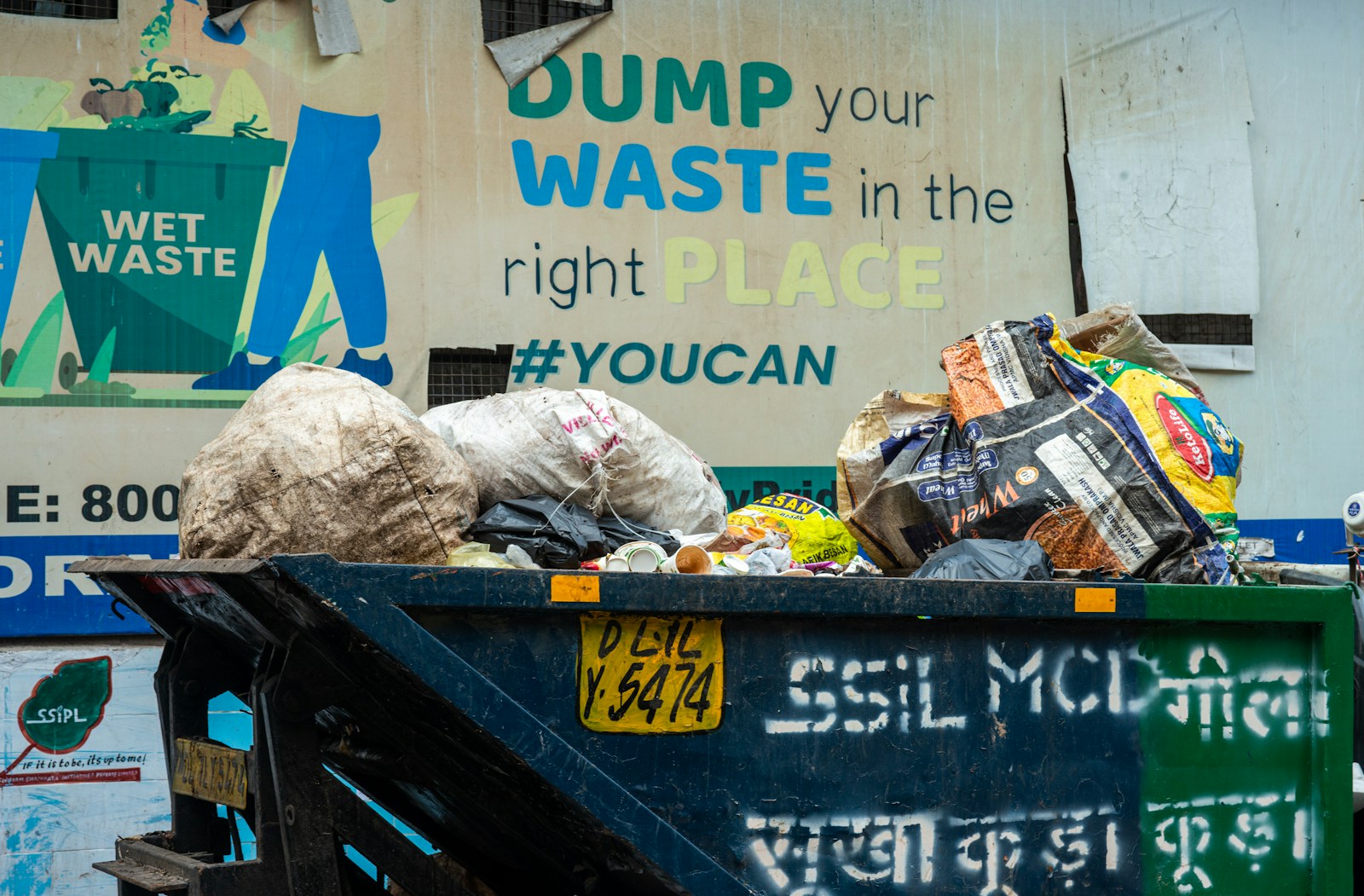

India’s urban waste challenge has reached a critical point, demanding a fundamental shift in how cities manage what they discard. With rapid urbanisation reshaping towns and metropolitan regions, the country faces a clear choice between cities that are clean, efficient, and liveable, and those overwhelmed by pollution and unmanaged waste. Moving away from a linear system of use and disposal towards a circular model that reduces waste and recovers energy and resources is increasingly seen as essential for India’s environmental and public health future.
Global attention to waste as a climate issue gained renewed momentum at the 30th Conference of the Parties to the United Nations Framework Convention on Climate Change, held in Belem in November 2025. At COP30host nation Brazil placed waste management at the centre of climate action, highlighting its role in cutting methane emissions and improving urban air quality. Significant funding commitments were made to the No Organic Waste initiative, reinforcing the idea that waste, when managed properly, can become a valuable resource rather than an environmental burden.
The conference underscored circularity as a pathway to inclusive growth, cleaner cities, and healthier populations. Cities were urged to accelerate circular economy initiatives that recognise waste as a source of energy, materials, and economic opportunity. This global push closely aligns with India’s own advocacy for sustainable lifestyles, particularly through Mission LiFE, which was introduced at COP26 in Glasgow in 2021. Mission LiFE emphasises deliberate and responsible consumption, a principle rooted in circular thinking rather than unchecked use and disposal.
Urban expansion across India is unavoidable, but the quality of that growth is not predetermined. The debate increasingly centres on whether cities will prioritise clean environments and efficient services or continue to tolerate waste-ridden neighbourhoods and deteriorating living conditions. Numerous studies have shown that many Indian cities fall short of global benchmarks for cleanliness and environmental health, with pollution becoming a daily concern for residents and policymakers alike.
The National Capital Region and several other urban centres frequently rank among the world’s most polluted, underscoring the urgency of reform. Addressing waste through circular systems that reduce generation, promote segregation, and recover value can play a decisive role in reversing this trend. For an aspirational India seeking sustainable growth, transforming urban waste management is no longer optional. It is a defining step towards healthier cities, stronger climate action, and a more resilient urban future.

Comments are closed.