
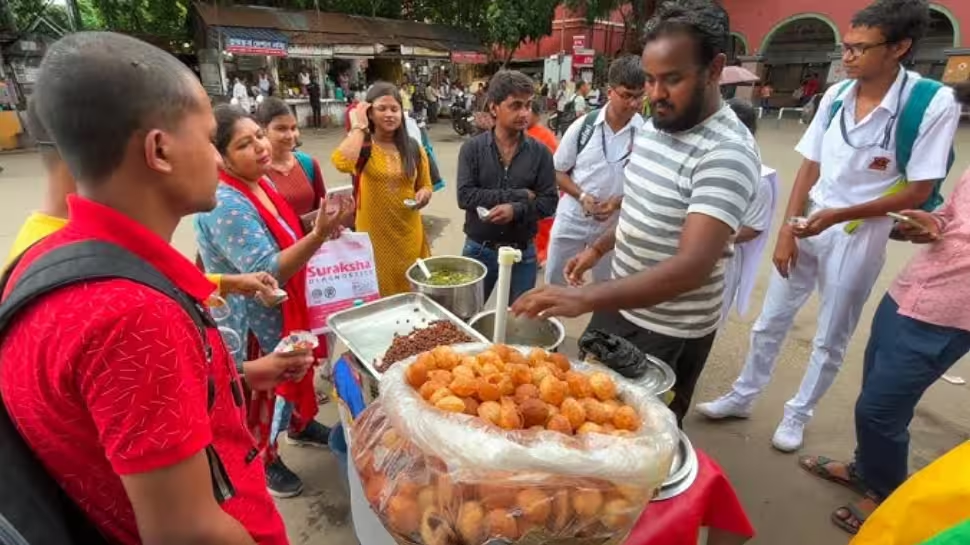

India’s culturally rich and diverse food traditions, besides being strengths, have the potential to contribute to the rise of antibiotic-resistant bacteria, from which India may suffer in the future without realizing. Superbugs are microorganisms that have stopped responding to the drugs that are meant to kill them, which makes the infections caused by such microbes very hard to treat and thus leads to an increase in the rate of severe illness and even death.
Why do people fall sick frequently?
Dr Charudatt Vaity, Director, Critical Care, Fortis Hospital Mulund, Mumbai, reveals, “One major factor is the popularity of street food. While street food reflects India’s culinary diversity and provides affordable meals, hygiene standards can vary widely. Contaminated water, improper food storage, and lack of sanitation create an environment where harmful bacteria can grow and spread. When people frequently fall sick due to such infections, they often turn to antibiotics.”
Add Zee News as a Preferred Source
India is a major hotspot for antimicrobial resistance. ICMR data show that E coli susceptibility to imipenem fell from 86% in 2016 to 64% in 2021, highlighting a sharp rise in resistance. Community studies also reveal that over half, and in some areas more than 70%, of E coli isolates are multidrug-resistant. Informal antibiotic use, self-medication, and poor hygiene practices, including unsafe street-food handling, are key drivers fueling this growing public health threat.
Is self-medication safe?
Dr Charudatt says, “Another widely spread habit is the self-medication practice. A great number of people consider antibiotics as a medication that can be administered by any individual and they can bring quick relief to common diseases such as fever, cough, and stomach upset and therefore they buy them without a doctor’s prescription.”
In fact, while antibiotics can treat bacterial infections, they will not help a patient who is infected with a virus such as a cold or a flu. The improper use of antibiotics without a medical need allows bacteria to acquire resistance against the antibiotic that was used, until such point when that antibiotic becomes totally ineffective.
Why are superbugs rising in India?
Dr Aakash Shah, Vice President-Technical, Neuberg Diagnostics, says, “One of the major reasons behind the rise of superbugs in India is its diverse food culture and the availability of medicines. Street food, which is the most common way of eating in daily life, is also a major source of infection due to poor hygiene, use of contaminated water, and improper food handling. These bacteria, when exposed to antibiotics. in an unsafe manner, can become resistant and thus they can cause infections that are difficult to treat.”
Another factor that contributes to the problem is self-medication. Many people take antibiotics on their own without proper testing and prescription, thinking that it will give them quick relief. The truth is that antibiotics work only on bacterial infections and not on viral fevers or the common cold. When they are used wrongly, bacteria become resistant. This means that what used to be simple illnesses may need stronger medicines or hospital care.
Taking antibiotics is not a solution
Doctors emphasize that tests come first. Before taking antibiotics, it is necessary to determine the right treatment. Sometimes, a sophisticated test such as gene analysis of the microbes can help pinpoint the resistant bacteria at an early stage, and thus give the correct treatment. “Implementing safe eating habits, practicing good hygiene, and taking medicines responsibly will not only be good for the individual but also for the community, as antibiotics will still be effective. Raising awareness among people and performing tests on time can help a lot in the battle against superbugs and in the achievement of better health for all,” he further reveals.
The influence of cultural factors cannot be ignored either. In most Indian families, the practice of sharing leftover medicines and getting advice from family members is very common. Such an informal approach to treatment usually results in antibiotic use being incomplete or even wrong, and this consequently contributes to the rise of resistance. In addition to this, crowding in homes, uncleanliness in some localities, and lack of knowledge about the correct use of antibiotics further complicate the situation.
To wipe out the threat of superbugs in India, the country needs stringent measures to control antibiotic sales, proper sanitation facilities, and education programs for people living in remote areas. Habits such as following the doctor’s advice, better solid waste management, and sticking to correct food hygiene practices can be made to protect the community. Though the culture is something to be proud of, it is necessary to unite tradition with scientific knowledge to be able to safeguard health and prevent antibiotic resistance from spreading further.
(Views expressed by experts in the articles are their own; Zee News does not confirm or endorse the same. This article is meant for informational purposes only and must not be considered a substitute for advice provided by qualified medical professionals. Always seek the advice of your doctor with any questions about diabetes, weight loss, or other medical conditions.)

Comments are closed.