
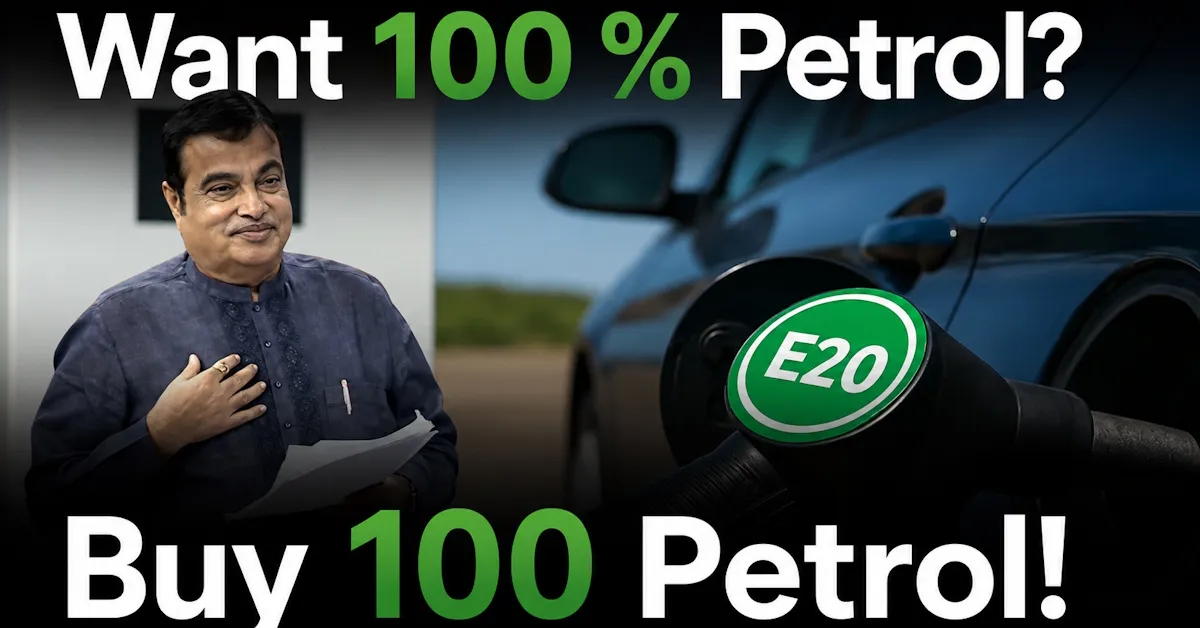

As stated above, currently the closest alternative to pure petrol in India is 100-octane fuel. And three major oil companies currently sell these premium fuels. The first is offered by Indian Oil, which is the XP100. Apart from it, HPCL sells Power100, and lastly, Bharat Petroleum offers Speed100. These fuels have either negligible ethanol content or a very low percentage when compared to regular E20 petrol.
HPCL, for example, has previously stated that Power100 contains up to 4.5 percent ethanol, while XP100 is believed to have almost no ethanol. These fuels were originally developed for luxury cars, sports cars, and high-performance engines. This is because these high-end cars require a high-octane fuel for better performance and engine stability.
Now the biggest problem which common people face when they want to choose near-pure petrol is its price. Currently, XP100, Power100, and Speed100 are priced at around Rs 167-170 per litre in Delhi. That is roughly 60 percent more expensive than regular petrol. So for most buyers, especially middle-class commuters, spending this much money on fuel is not very practical.
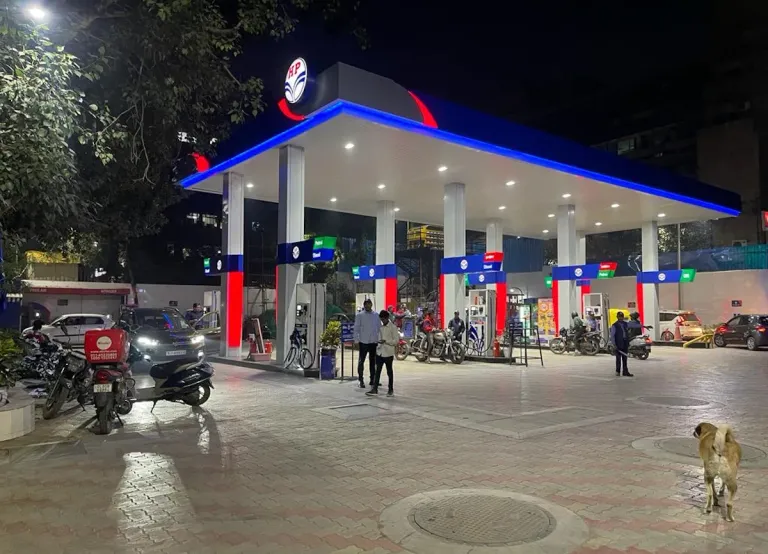
The price of this pure petrol is not the only issue for buyers. Presently, finding these premium fuels is also extremely difficult. Fuels like XP100, Power100, and Speed100 are available only at select fuel stations. And that too, the pumps which have them are mostly in metro cities and a few major urban centres.
So even if people living in smaller cities or towns want to buy them, they may not find these fuels at all. As a result, even if Gadkari says motorists can choose pure petrol, it is not a feasible option as most people do not have access to such pumps which carry these fuels.
There are many people who still believe that 100-octane petrol is only meant for luxury cars. However, Indian Oil says XP100 can also be used in normal petrol-powered cars. According to the company, regular vehicles will offer smoother engine operation, better acceleration, and improved fuel efficiency. However, the full benefits are only realised in engines specifically designed to run on high-octane fuel.
Another common misconception is that every premium petrol contains less ethanol. This is not true. For example, HPCL has previously stated that Power95 contains around 15 percent ethanol. Meanwhile, Power99 contains around 11 percent ethanol. Additionally, Shell V-Power and other premium fuels may also continue using ethanol blends depending on the fuel specifications. So in simple terms, octane rating and ethanol content are two completely different things. Basically, a higher-octane fuel does not automatically mean it is ethanol-free.
The basic answer is performance cars and classic vehicles rely on petrol with higher energy density and stable combustion. And ethanol contains less energy than petrol and also absorbs moisture from the atmosphere. Now, since 100-octane fuel sells in smaller quantities and often remains stored at fuel stations for longer periods, the companies keep ethanol content very low, which helps in reducing the chances of water contamination and fuel degradation.

The minister has once again defended the government’s ethanol blending programme. According to him, all E10-compatible vehicles can safely run on E20 petrol, and the government has not received any complaints regarding engine damage.
He has also acknowledged that ethanol has a lower calorific value than petrol. And it can lead to a slight reduction in fuel efficiency. However, he said the difference is minor during normal city driving and becomes more noticeable only at higher speeds. The government has also been justifying E20 by stating it helps in reducing crude oil imports, lowers emissions, and improves India’s energy security.
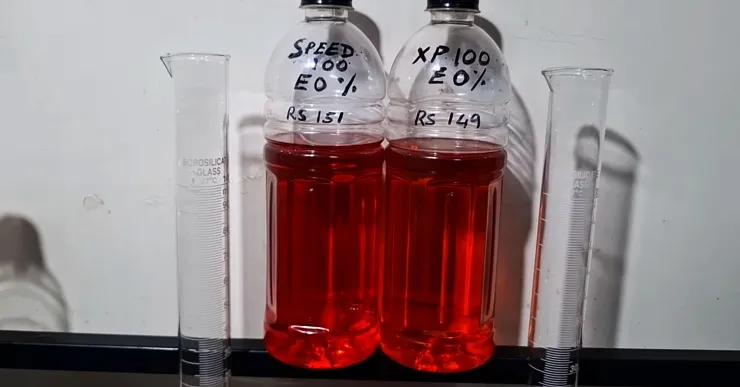
Now although it is technically possible to avoid E20 petrol by buying near-pure 100-octane fuel, it has to be mentioned that it is not a realistic option for most motorists. These fuels cost close to Rs 170 per litre and are available only at a limited number of fuel stations. As a result, despite Gadkari’s statement, regular E20 petrol is the only practical fuel option for the vast majority of car owners in India. And whether we like it or not, we have to use it for our vehicles.
Comments are closed.