

Highlights
- Samsung has halted the One UI 8 Watch update for the Galaxy Watch 4 series following widespread user complaints.
- Users report severe battery drain, with usage dropping from all day to as little as 12–15 hours.
- Health sensors, including heart rate, ECG, and body composition tracking, are malfunctioning or unreliable.
- Sensor failures are causing device lockouts, broken Google Wallet access, and unreliable health tracking.
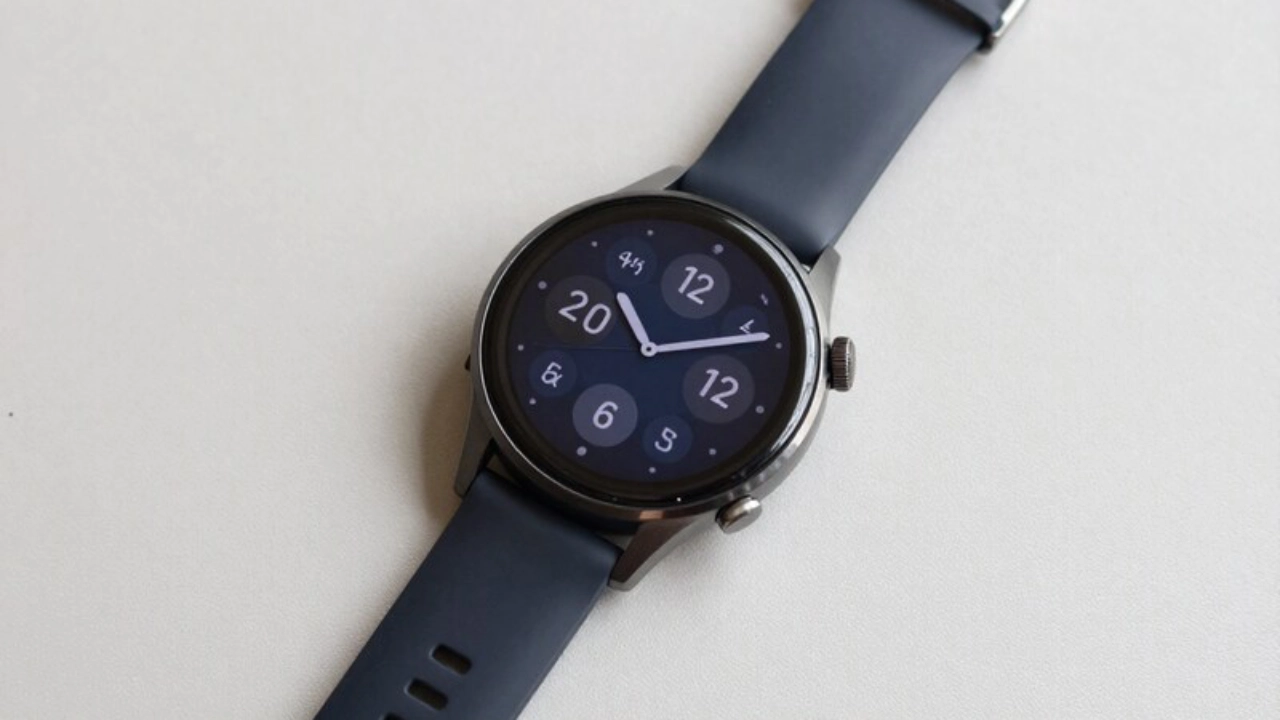
The Galaxy Watch 4 One UI 8 update has sparked widespread user backlash after reports of severe battery drain, sensor failures, and unreliable health tracking surfaced worldwide. The situation has led to widespread user complaints worldwide; as a result, Samsung has had to halt the distribution of the update while it addresses the issue.
Galaxy Watch 4 One UI 8 Watch Update: A Troubled Rollout
Samsung announced that it would distribute the One UI 8 Watch update to Galaxy Watch 4 and Galaxy Watch 4 Classic users in the first half of this month.
The update was aimed solely at consumers who own the company’s 2021 smartwatch range and promised new features, interface enhancements, and a more extended software support period. But soon after, a large number of users began complaining about issues that made their devices unresponsive or completely dead.
Severe Battery Drain After One UI 8 Watch Update
The most reported case involved drastically reduced battery life and the detection of disabled health and tracking sensors, which had never occurred before the update.
Samsung seems to have taken the alarm bells very seriously, as it has halted the update at the end while conducting investigations into the cause and developing a solution. Different tech outlets indicate that the update might still be blocked for some users, as a behind-the-scenes sorting of the Samsung situation is ongoing.
Battery Life and Performance Woes
Reported Battery Issues:
User Battery performance decreasing drastically after updating to One UI 8 is one of the most frequent complaints. Owners of Galaxy Watch 4 models usually experience battery life of approximately 24–30 hours, but now some say their watches are lasting only 12–15 hours per charge.
Community forums and Reddit users are reporting that their watches are dying on their wrists before nightfall, even with light use. Some users have cleared the cache or lessened background activities in an effort to use the workaround, but results have been mixed. The release has made the watch almost unusable, at least to some extent, especially for users who depend on all-day tracking.
Additional performance issues reported include:
In addition to the battery issue, some consumers reported that their devices were sluggish, lagged during user interaction, and had problems with watch faces, issues that the update brought to others’ experiences.
The problem is serious enough that some users are unable to see their Always-On Display (AOD) feature functioning at all after the fresh software has been installed, which is causing a setback in the appeal of the new software.
Sensor Failures and Health Tracking Breakdown
Probably the most serious complaints are about the health and wrist sensors, which are essential features of every modern smartwatch.
Galaxy Watch 4 Classic users are reporting that after the One UI 8 Watch update, the sensors responsible for wrist detection
- heart rate monitoring
- Bioelectrical Impedance Analysis (BIA)
- and even ECGs are malfunctioning or are entirely useless
- Wrist detection
In certain situations, diagnostics of the sensor reveal faults, and the foregone conclusion is that the watch does not sense when it is being worn, thus repeatedly logging the device out, provided the security functions, such as PIN, are enabled. This results in unnecessary difficulties with straightforward activities such as checking notifications or making contactless payments with Google Wallet.
However, one user’s report of the strangest kind reveals that sometimes, the sensors will recognize the wearer if the watch is around the inside of the wrist.
At the same time, the standard position is not a workaround that very much points to the problem being unpredictable. It might not even be a hardware issue, but rather a software calibration.
Mixed User Experiences and Community Response
The experience of user reports regarding the issues seems to vary considerably, but there are also reports of devices that are not equally affected at all. Discussions on Reddit show a mixed experience: some Galaxy Watch 4 owners have reported no problems at all. In contrast, others say they had to perform several resets or even revert to older software backups to restore features.
Despite these sporadic stories of success, the prevailing situation still leads to a conclusion of constant negative feedback, and Samsung has decided to stop further distribution of the update. For the users who have not received the One UI 8 update yet, the message from the tech community and from many tech portals is the same: wait before updating until Samsung releases a more stable version.
What Happens Next for Galaxy Watch 4 Users?
Samsung has not yet provided a detailed public explanation of what exactly went wrong or when the problem will be fixed. However, user discussions indicate that the Samsung support team is doing its best to diagnose the bugs and expedite resolution by continually requesting diagnostic logs from affected users.

What Users Should Do Now:
For the time being, it is recommended that
- Galaxy Watch 4 series users should not update their devices if the update is not yet available.
- Users who have already updated and are experiencing difficulties should check the Galaxy Wearable app for a possible hotfix.
- Monitor Samsung announcements for rollback or patch availability
As this saga unfolds, Samsung will have to prove to its loyal customers that its wearable software remains trustworthy, especially for devices nearing the end of their official support lifespans.

Comments are closed.