
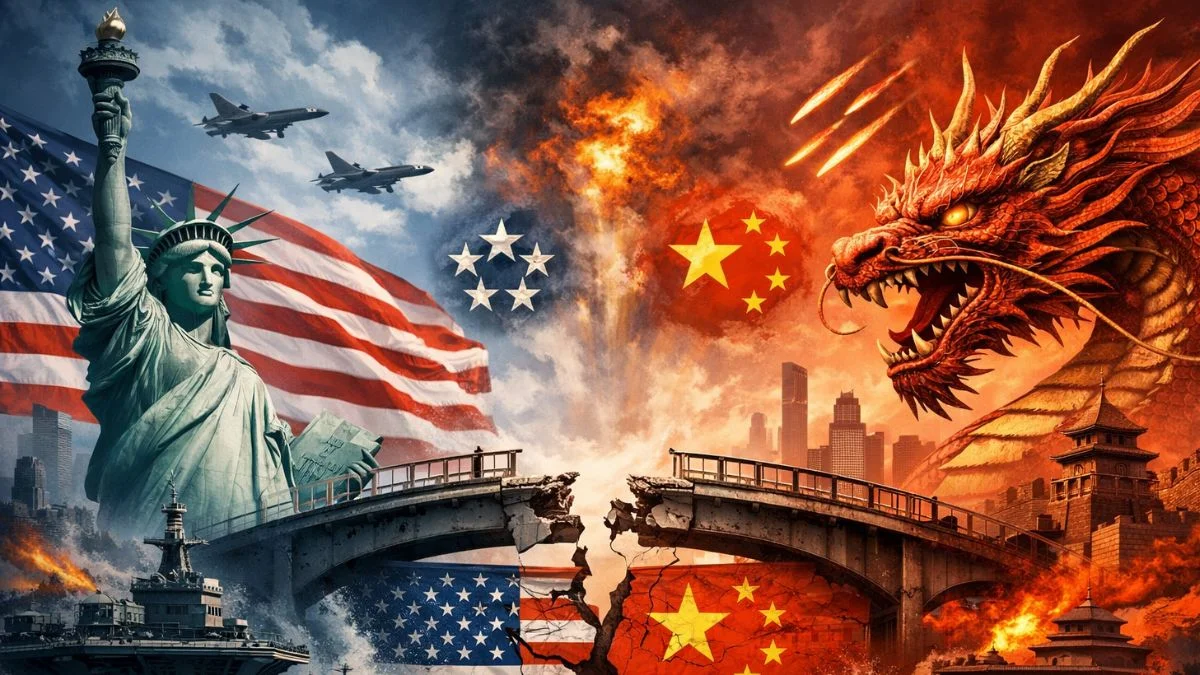

In March 2026, the intersection of high-stakes trade diplomacy and an escalating conflict in the Middle East has created a volatile geopolitical landscape. President Donald Trump’s recent request to postpone his highly anticipated summit with Chinese President Xi Jinping, originally scheduled for late March, serves as a clear illustration of his “transactional diplomacy.” By citing the ongoing war with Iran as the primary reason for the delay, the U.S. administration is attempting to weave military cooperation into the fabric of trade negotiations, a move that significantly complicates the bilateral relationship.
The strategic heart of this tension lies in the Strait of Hormuz, a critical maritime chokepoint currently obstructed due to the U.S.-Israeli conflict with Iran. President Trump has explicitly called on China to send warships to help secure the waterway, arguing that as the world’s largest oil importer, Beijing is a primary beneficiary of its stability. However, this demand places President Xi in a precarious position. For China, joining a U.S.-led military coalition would not only jeopardize its strategic partnership with Tehran but also mark a departure from its traditional stance of non-interference. Analysts suggest that Trump is using the summit as leverage, essentially making the “head-of-state” meeting contingent upon China’s willingness to share the military and political burden of the Middle East crisis.
From an analytical perspective, this delay provides China with a double-edged opportunity. On one hand, it grants Beijing more time to “game out” the economic and military implications of the Iran war, allowing them to assess how much leverage they can maintain while Washington is distracted by a regional conflict. Historically, Chinese diplomacy has preferred longer lead times for summits to ensure substantive “deliverables,” and some reports indicate Beijing had already suggested a later date. On the other hand, the delay underscores a pattern of “leverage plays” where the U.S. creates a sense of urgency to extract concessions. By linking the summit to the Hormuz crisis, Trump is effectively expanding the scope of U.S.-China competition from trade and technology to include global security policing.
The economic ramifications of this diplomatic stalling are already being felt in global markets. With oil prices surging and trade negotiators in Paris working to maintain a fragile “trade truce,” the uncertainty surrounding the summit has triggered volatility in commodities and equities. The U.S. Treasury has attempted to frame the postponement as a matter of “logistics” and the President’s need to be present in Washington as Commander-in-Chief, yet the underlying message remains clear: the path to a trade resolution with China now runs through the Persian Gulf.
Ultimately, this maneuver reflects a broader shift in international relations where ceremonial milestones are increasingly replaced by real-time bargaining tools. As both nations wait to see who will blink first regarding the Strait of Hormuz, the delayed summit stands as a symbol of a new era of “maximum pressure” diplomacy. Whether this tactic will force China into a more active role in the Middle East or further alienate a critical trade partner remains the central question of 2026’s geopolitical outlook. For now, the world remains in a state of suspended animation, watching as two superpowers navigate a conflict that threatens to reshape global energy and security architectures.

Comments are closed.