
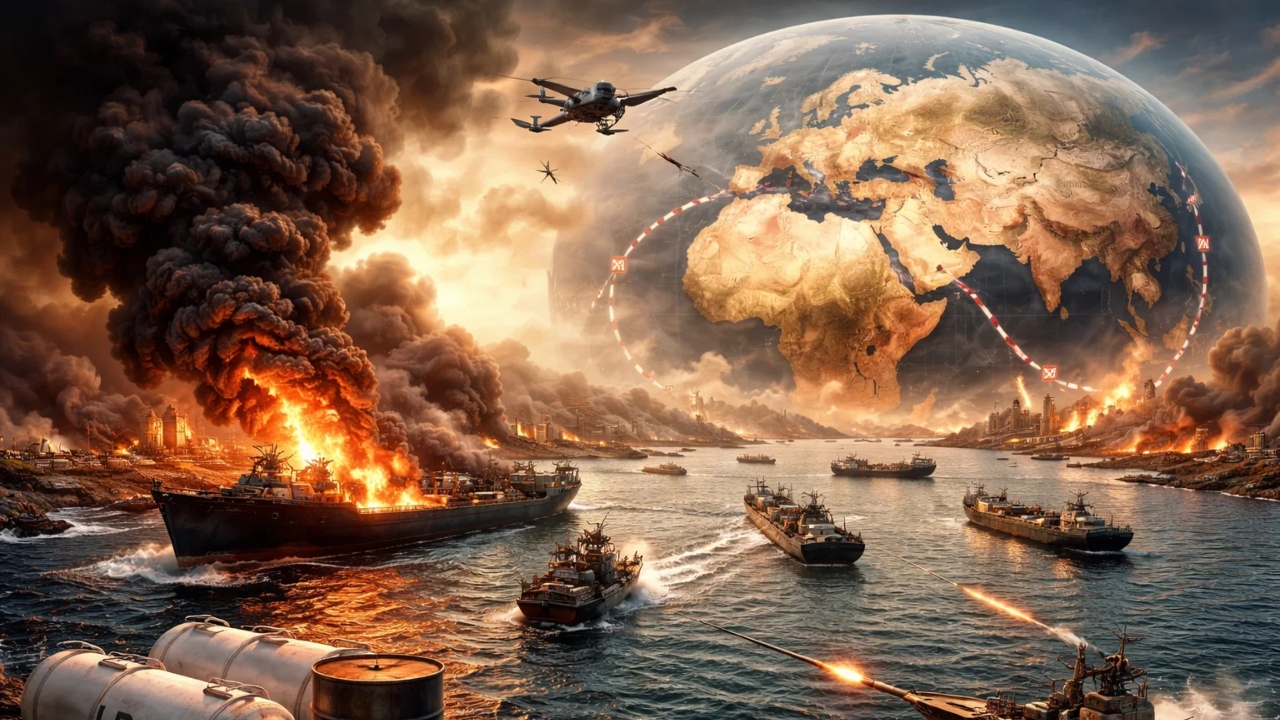

LPG Oil Crisis: The increasing war in the Middle East and the looming threat to oil supplies have increased concerns about the world’s energy security. If tensions in the area increase further or Strait of Hormuz If the oil supply is affected by the important sea route, then its impact will not be limited only to the Gulf countries. The world’s large economies, especially those countries dependent on oil imports, may be most affected. Experts believe that it may affect the energy system and economy of more than 70 countries globally, but this crisis may be more serious for the 10 major oil importing countries.
1. India
India is one of the world’s largest oil importers. India buys about 85 percent of its crude oil needs from abroad, in which the Gulf region has a large share. If oil supply from the Strait of Hormuz is disrupted or prices rise rapidly, petrol and diesel may become expensive in India, which may increase both inflation and transportation costs.
2. China
China is the world’s largest crude oil importer. A large part of China’s energy needs come from the Middle East. Therefore, a war in this region or attacks on oil terminals could increase pressure on China’s industrial activities and manufacturing sector.
3. Japan
Japan is almost entirely dependent on imported oil and gas for its energy needs. A large portion of Japan’s imported oil comes from the Gulf region, so any instability in this region could affect Japan’s energy security.
4. South Korea
South Korea is also among the major oil importers in Asia. The country’s refining and petrochemical industry is heavily dependent on crude oil coming from the Gulf. If supply is disrupted, South Korea’s industrial production costs may increase.
5. Germany
Germany, Europe’s largest economy, has already gone through an energy crisis. If oil and gas prices rise again rapidly, there could be new pressure on Germany’s industrial economy.
6. Italy
Italy also imports a large part of its energy needs. Italy’s energy costs may increase due to reduction in oil supplies from the Middle East, affecting both the domestic market and industry.
7. France
France makes large use of nuclear energy in electricity generation, but dependence on oil for transportation and industry is still significant. Therefore, the increase in global oil prices can also affect the French economy.
8. Turkey
Turkey is geographically close to the Middle East and a large part of its energy supply is dependent on imports. Increasing regional tensions could impact energy prices and trade routes in Turkey.
9. Pakistan
Pakistan is already struggling with economic crisis and its major foreign exchange expenditure is on oil imports. If oil becomes expensive in the international market, the pressure on Pakistan’s economy may increase further.
10. Bangladesh
Bangladesh is also a fast growing economy and its energy needs are continuously increasing. The increase in oil and gas prices may affect Bangladesh’s power production and industrial costs.
How many countries in the world could be affected?
Experts believe that if the war in the Middle East intensifies or the oil supply through a major sea route like the Strait of Hormuz is affected, then it can directly impact the energy security of 60 to 70 countries. The reason for this is that about one-third of the world’s total seaborne oil trade passes through this route.
Why would it have such a big impact?
The Middle East is one of the largest oil producing regions in the world. If oil terminals, pipelines or sea routes are affected due to war, the availability of oil in the global market may reduce. This will increase prices, which will also increase the cost of transportation, power generation and industrial production. As a result, inflation may increase in many countries of the world and economic growth may come under pressure.

Comments are closed.