
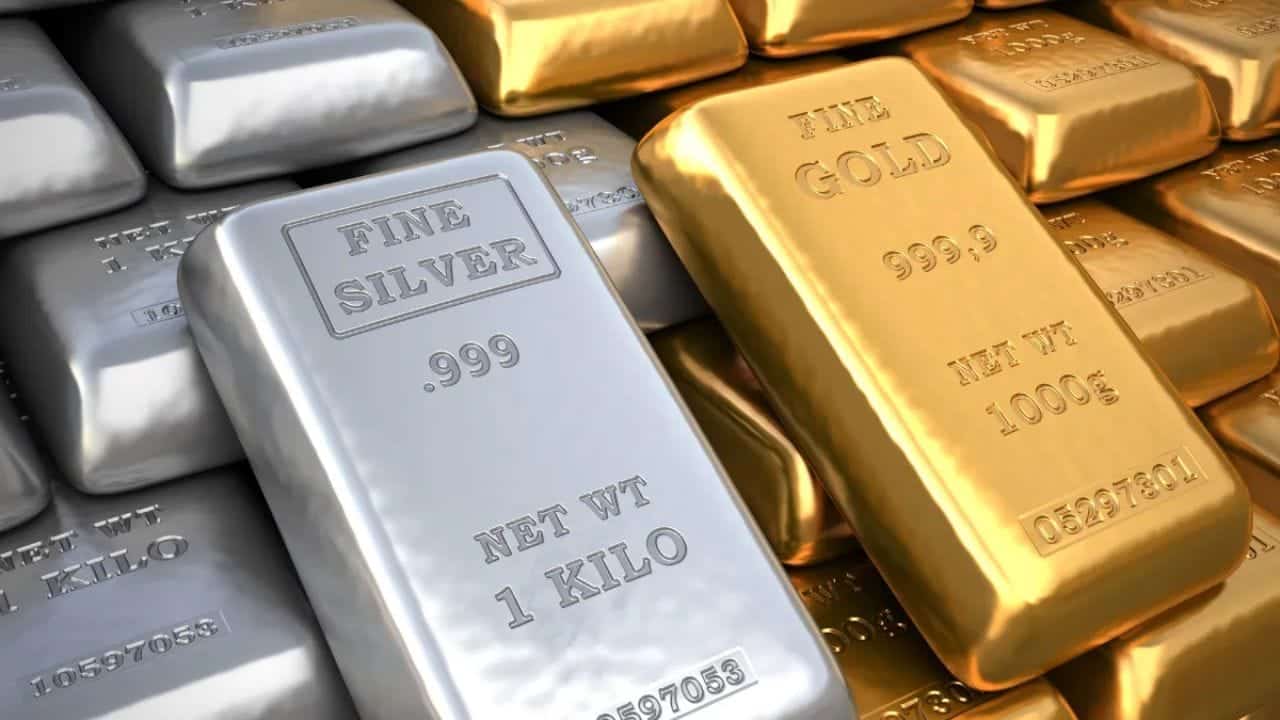
Gold, Silver Prices Fall Sharply Amid US-Iran Tensions; Precious Metals Enter Correction Phase

Gold and silver prices witnessed a sharp decline on March 23 as escalating geopolitical tensions in the Middle East weighed on investor sentiment and market dynamics. Both precious metals dropped by nearly 3% during early trading, extending last week’s losses and entering a short-term correction phase.
COMEX gold fell to around $4,462 per ounce, marking its lowest level after recording its steepest weekly drop in decades. Silver prices also declined significantly, slipping to approximately $67.5 per ounce during Asian trading hours. The ongoing volatility reflects shifting global market conditions influenced by geopolitical risks and macroeconomic factors.
The recent decline in precious metals is largely attributed to rising crude oil prices and growing inflation concerns. These factors have reduced expectations of near-term interest rate cuts by major central banks, including the US Federal Reserve. As a result, non-yielding assets like gold have come under pressure, especially as investors move toward higher-yield instruments.
Additionally, a stronger US dollar and rising Treasury yields have made dollar-denominated commodities less attractive to global investors. Reports of increased US military deployment in the Middle East have further strengthened the dollar, adding to downward pressure on gold and silver prices.
Market experts suggest that the recent fall is also driven by profit booking after gold tested record-high levels earlier. According to analysts, the metals are now moving toward key support zones, with cautious investor sentiment dominating the short-term outlook.
In terms of technical levels, gold is currently trading within a range of $4,450–$4,520 after retreating from its earlier resistance zone near $5,300–$5,500. Silver, on the other hand, is fluctuating between $62 and $70, with strong support seen in the $60–$65 range. A break below this level could trigger further downside, while stability may lead to a gradual recovery.
Despite the near-term weakness, the broader outlook for precious metals remains cautiously optimistic. Analysts recommend a selective “buy-on-dips” strategy for long-term investors, as underlying factors such as safe-haven demand and industrial usage continue to support prices. However, future movements will largely depend on geopolitical developments, currency trends, and central bank policies.

Comments are closed.