

We may receive a commission on purchases made from links.
Goodyear hasn’t become a huge name in the automotive and tire world by staying in a single product lane. The company has expanded its operation to include Goodyear products that aren’t tires, as well as a host of different tire options for different seasons, budgets, and performance levels. In terms of basic, all-season commuter tires, two standout names are the widely-available Goodyear Assurance and the Walmart-exclusive Goodyear Reliant product lines. Both are relatively budget-friendly options from manufacturer that promise all-season performance, but it should be said that buying Assurance tires doesn’t necessarily equate to buying Reliant tires, and vice versa.
First and foremost, there isn’t a lot of variety with the Reliant tire line. On the Walmart website, there appear to be different tire types, but these are just size differences intended to support different vehicles. Meanwhile, there are multiple different Assurance tires to consider. A few variants include the standard Assurance All-Seasonthe ComfortDrivewhich promises a quieter, smoother ride in comparison as the name implies, and the road grip and poor weather handling-focused WeatherReady 2. While there are numerous Assurance tires to compare to the Reliant, the most apt and equal comparison is the regular All-Season tire. As far as price, Reliant tires range from around $80 to $200 per tire depending on their size. Meanwhile, the Assurance All-Season is a bit higher of a buy with a $111 to $246 range, which is also influenced by the tire size needed.
When comparing tires, size and options are just two elements to be aware of. More important is their performance, so what do the Assurance All-Season and Reliant tires each bring to the road?
What Reliant and Assurance tires bring to your commute
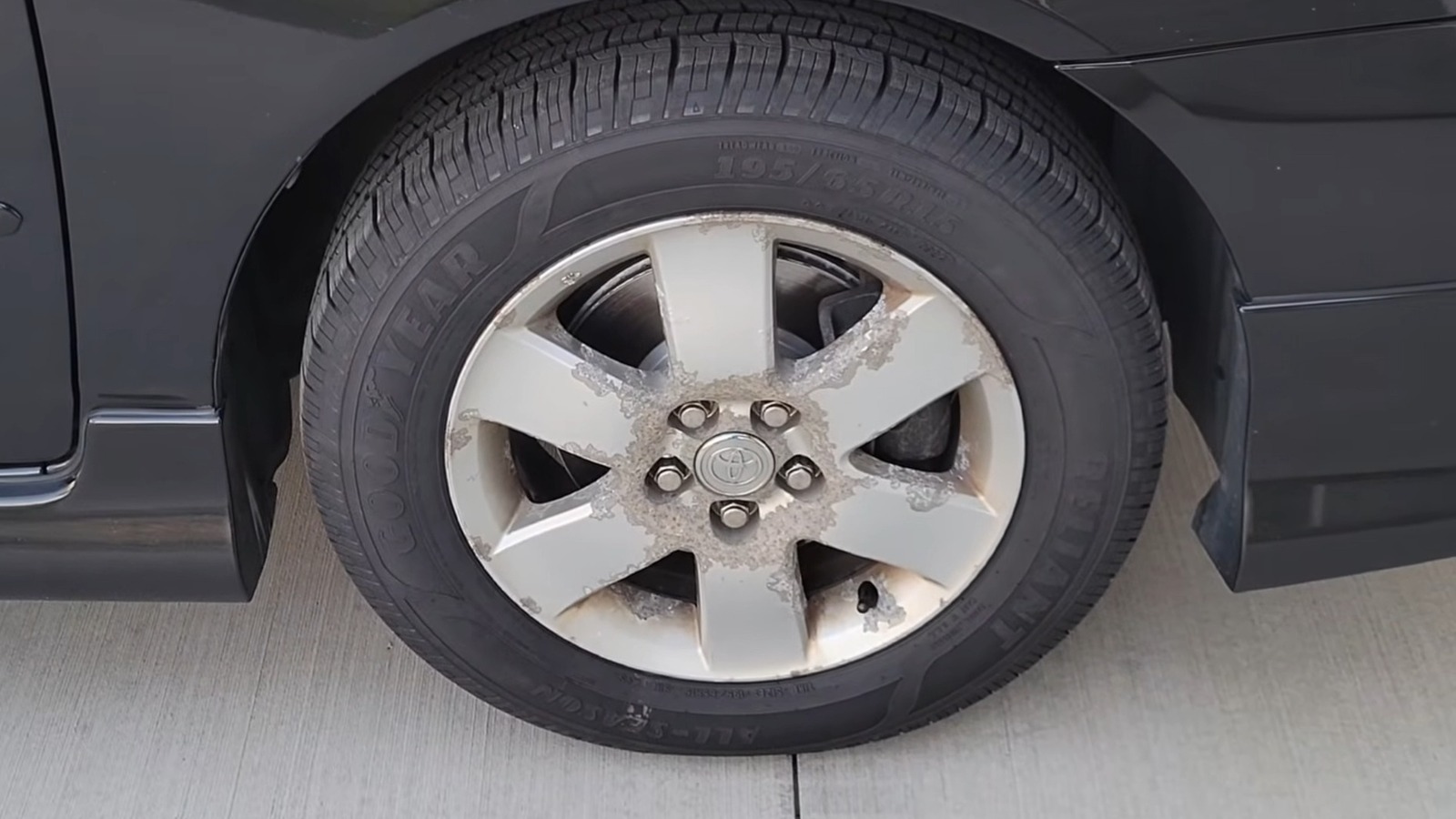
Looking at their functionality and features, Goodyear Reliant and Assurance All-Season tires bring different things to the driving experience. Starting with Reliant tires, they feature Goodyear’s Aquatred technology to move water while driving for improved traction. They include Goodyear’s patented Decoupling Grooves along the shoulder of the tire to aid in tire heat reduction and improve handling while driving. The tread blocks themselves are also designed to provide strong traction and keep tire wear even throughout the life of the set. They come with a 65,0000-mile limited treadlife warranty. Larger and heavier than the Assurance All-Season, these tires are more suitable for bigger vehicles like light trucks and SUVs.
That brings us to the regular Assurance All-Season. As far as what it’s said to include, it doesn’t use a lot of flashy language or promise Goodyear-specific technology like the Reliant does. It’s said to have wide tread grooves to evacuate water and improve grip while driving in wet conditions, along with edges that flex and “bite” to maintain traction while moving through wet or snowy roadways. The all-season tires’ large shoulder blocks are also advertised as improving handling in wet and dry conditions alike. It also shares an identical treadlife warranty. Overall, it’s positioned to be a “daily driver” tire, ideal for smaller vehicles like family cars.
Visually, the Goodyear Reliant and Assurance All-Season tires don’t deviate much. However, digging into what the company promises from each one, their price points, and their accessibility, it becomes clear how different they really are. Of course, if you’re not impressed by either, there are plenty of budget-friendly Goodyear tire alternatives to consider otherwise.

Comments are closed.