

Highlights
- Google partners with the UK’s National Quantum Computing Centre (NQCC) to expand access to its state-of-the-art Google Willow quantum processor for cutting-edge research.
- Scientists worldwide can apply for Willow quantum processor access and NQCC research grants by January 31, 2026, to run high-impact quantum experiments.
- Quantum computing with Google’s Willow chip could transform key industries, from faster drug discovery in healthcare to advanced climate modeling for global sustainability.
- This Google–NQCC Willow initiative is a core part of Google’s £5 billion UK AI and quantum technology investment strategy to boost innovation and jobs.
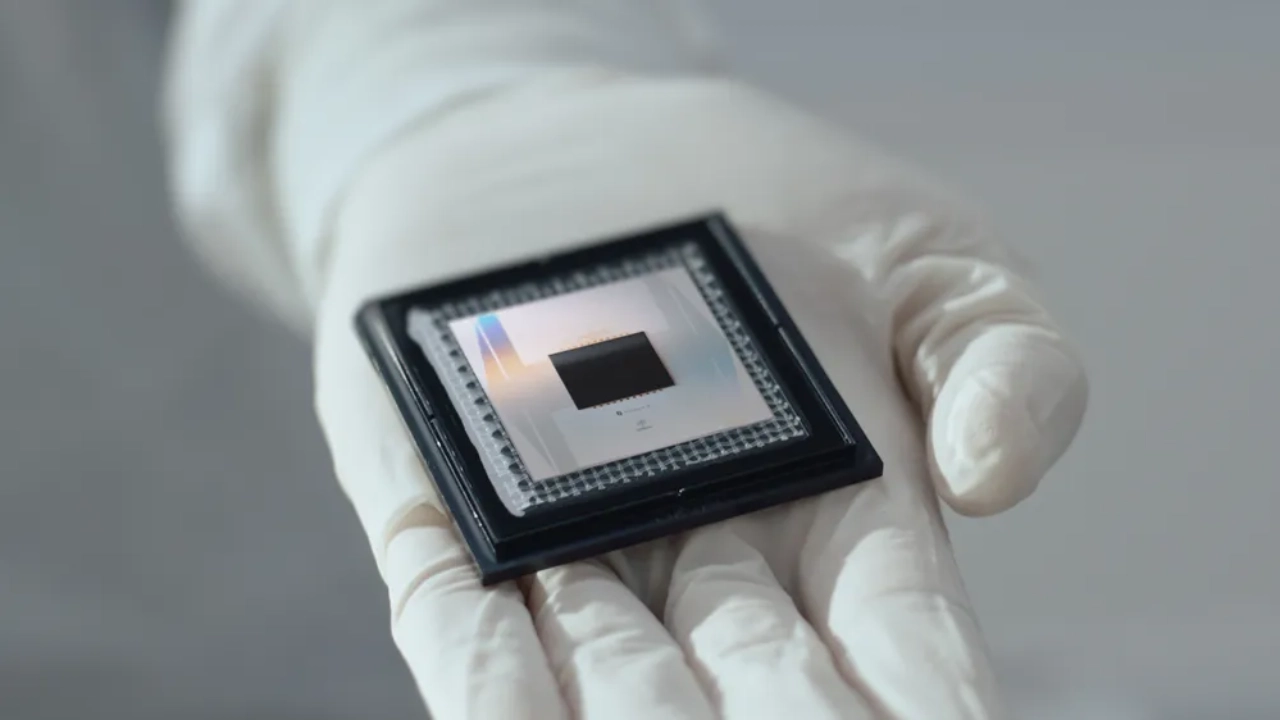
Google’s Willow quantum processor is a state-of-the-art quantum chip that UK researchers can access through a new collaboration with the National Quantum Computing Centre (NQCC). Proposals for high-impact scientific research are due by January 31, 2026, and will offer Willow hardware access and NQCC grants.
Quantum computing isn’t just a high-tech engineering word anymore; it’s a promise now moving into practice. Willow brings unimaginable speed and precision, handling calculations that would take normal computers centuries.
For people wondering why that matters, think of it this way: quantum computers could one day reinvent the medicines we take, the energy we use, and the way we build cities. It could help governments predict climate disasters before they hit your hometown. It makes science faster.
But what exactly does this new partnership mean for people outside laboratories?
Google UK NQCC Quantum Partnership: £5B Investment Research Grants
Google’s announcement adds another chapter to its growing footprint in UK innovation. With its £5 billion investment in AI and quantum tech, the company isn’t just creating faster machines—it’s shaping the next wave of education, jobs, and scientific breakthroughs.
The collaboration with NQCC enables researchers to apply for access to Google Quantum AI hardwarefueling discoveries from drug design to carbon capture.
For Indian researchers, this global opening offers a chance to submit proposals as well. Collaborations like these rarely stay within borders. Universities from Bengaluru to Cambridge could soon be exchanging quantum data and co-developing real-world applications.
So, how could this breakthrough shape industries and affect daily workers?
Quantum Computing Real-World Impact: Healthcare Finance Jobs India UK
Quantum technology doesn’t stay locked in labs; it connects directly to problems people face. In finance, for example, a future with powerful quantum machines could instantly predict market patterns, saving millions of dollars and hours.
In healthcare, testing how new molecules might become vaccines could take minutes, not months.
For people struggling with medical costs, quicker medical breakthroughs mean cheaper treatments and shorter hospital stays. For students, better computational tools mean stronger job prospects in the STEM fields that quantum computing will soon dominate. India’s tech sector, already swelling with AI startups, will likely pivot to quantum-ready software next. Startups might not need super expensive infrastructure—they can collaborate with quantum cloud access, cutting huge early costs. Still, one big question remains: how will this new wave of technology reach ordinary homes?
Quantum Divide Risks: Economic Gaps in Quantum Tech Access 2026
The next decade could draw a new kind of digital gap, the Quantum Divide. Just like the internet once separated those with access from those without, quantum computing could create advantages for early adopters and nations ready to invest fast.
This could mean uneven access to newly efficient systems—faster healthcare approvals, secure digital transactions, or cheaper energy. Governments and tech leaders must ensure these advances don’t benefit only the richest labs or the biggest cities.
India’s push for Digital Public Infrastructure (DPI) could play a key role in balancing global access, offering partnerships that make tech benefits flow to small towns and startups alike. But how can governments and people prepare for the coming era?
Final Thoughts
Preparing for a quantum-powered future means investing now in education, cloud access, and public infrastructure. Google and NQCC’s initiative runs deeper than research—it offers learning opportunities, knowledge sharing, and a direct path for academic institutions to join global experiments.
For global citizens, this is the moment to learn, not wait. Schools and universities in India, the UK, and beyond are introducing specialized programs in quantum algorithms and physics. Businesses, too, must shift gears, choosing hybrid models that mix classical computing with quantum systems. Quantum computing won’t arrive overnight, sure, but when it does, it will reshape everything we depend on daily, from power grids to social welfare.
Quantum progress is not sealed away for scientists alone; it’s something anyone can learn about, shape, and use.
If you’re a student, explore beginner-friendly resources from Google Quantum AI. If you’re an entrepreneur, follow NQCC’s grant updates before January 31, 2026, to see how your idea might fit.
The next revolution won’t wait. Will you be part of it, or will you watch it unfold? Apply for Willow quantum processor access today.

Comments are closed.