

The Indian government may delay the implementation of CAFE-III (Corporate Average Fuel Efficiency) norms beyond the (current) April 1, 2027 deadline, according to a report by The Times Of India. The Prime Minister’s Office (PMO) has reportedly held multiple meetings recently, to discuss the same. These are expected to continue till a more balanced framework is arrived at.
This development comes after sustained lobbying from within the auto industry. Most manufacturers argue that the proposed targets are too aggressive and the timelines too close to ensure compliance. From what is being reported, the policy could see revisions, delays or structural changes before being implemented.
How Manufacturers Are Likely To Perform In The Compliance Race?
In a recent PMO meeting, the power ministry made a detailed presentation stressing the urgent need to notify CAFE-III norms. For the first time, the government shared an internal assessment of how major carmakers are likely to perform under the proposed norms. The findings suggest that compliance could be uneven across brands.
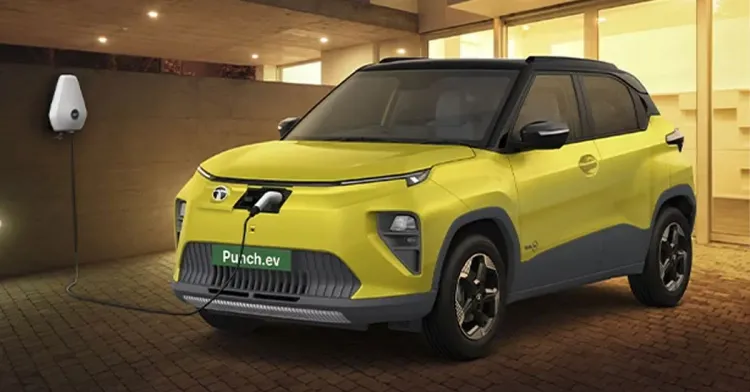
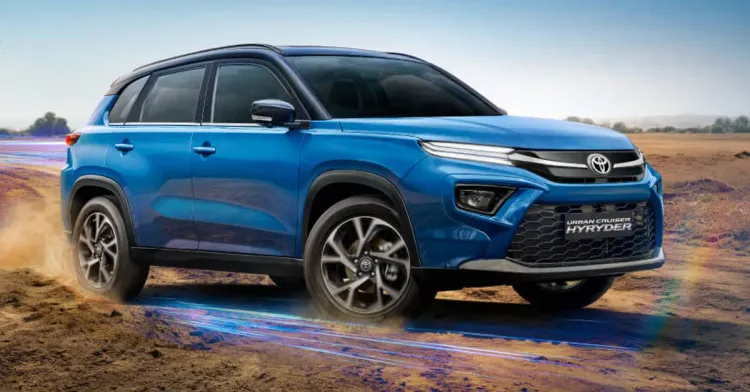
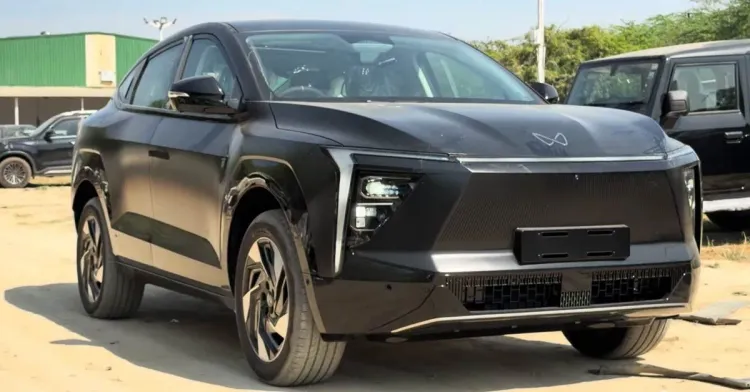
Among the top players, Tata Motors is expected to meet the targets consistently between 2027-28 and 2031-32. Maruti Suzuki and Hyundai Motor India may struggle to comply under the current framework. Toyota Kirloskar Motor may comply in the initial three years, but face challenges later. Mahindra & Mahindra is expected to miss targets in the first three years.
These projections hint at the risk of heavy financial penalties for automakers. “Going by current status, it may take at least a couple of months to notify norms. The industry would require at least a year to implement this,” a person familiar with the matter reportedly told the Times of India.
CAFE-III: What Is It All About?
These norms aim to tighten emission limits significantly, targeting 88.4g/km by 2027, and further reducing to 71.5g/km by 2032. The third phase introduces some key changes to the norms, adding to concerns among manufacturers.
One of them is the potential shift to WLTP-based testing. This gives range or mileage under real-world driving conditions more accurately. More importantly, it results in stricter emission readings compared to the current MIDC cycle.

There has also been debate around weight-based exemptions for small cars. An earlier draft suggested relaxed norms for petrol vehicles weighing under 909 kg, a move widely seen as favouring companies like Maruti Suzuki with strong small and budget-car portfolios. This was later removed, increasing pressure on even budget automakers to accelerate EV and hybrid development.
The proposed norms also include super credits for electrified vehicles. Under these, each electric vehicle (EV) sold counts as three vehicles when calculating fleet emissions and credits. Plug-in hybrids and flex-fuel hybrids would receive multipliers ranging from 2.0 to 2.5. For the first time, the framework proposes counting Range Extended EVs (range extender hybrids) as three vehicles- just like EVs.
Even though the industry has pushed for higher multipliers to ease compliance, environmental groups have cautioned that allowing these could dilute the effectiveness of the program itself.
The framework also allows up to three automakers to form a compliance pool, effectively combining their fleets to meet targets collectively.
The Industry Lacks A General Agreement In This Matter!
The government appears to be taking a consensus-driven approach before finalising the norms. Union Power Minister Manohar Lal Khattar has indicated that stakeholder alignment will be key to shaping the final decision. However, divisions within the industry remain.
At a recent Society of Indian Automobile Manufacturers (SIAM) CEOs Council meeting, a large number of automakers opposed the idea of reintroducing weight-based exemptions. Only a few players, including Maruti Suzuki and Renault, supported the proposal. These if you see, have small, budget-friendly, volume-based products as key business drivers.
What Happens Next?
There are three possible paths that the government could now take. It may proceed with the current draft, revise targets or delay implementation to give automakers time to comply. Beyond emissions, a complete roll-out of CAFE-III norms may have an influence on vehicle pricing, product strategy, safety features and the pace of electrification in India.

Comments are closed.