
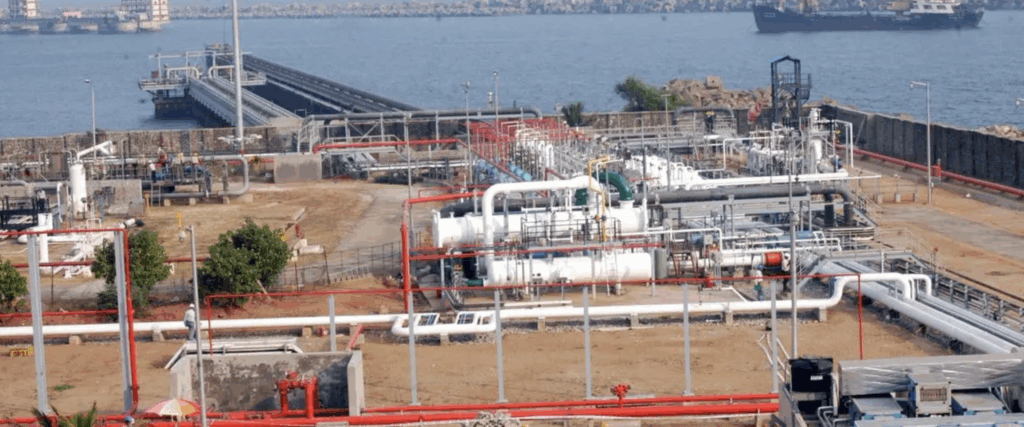

The Indian government has directed public sector oil marketing companies (OMCs) to create strategic liquefied petroleum gas (LPG) reserves capable of meeting at least 30 days of national demand. The move comes as the prolonged conflict in West Asia continues to raise concerns about global energy supply disruptions and India’s dependence on imported cooking gas.
Officials said the decision is aimed at strengthening India’s energy security and ensuring uninterrupted LPG availability for households in case geopolitical tensions further affect global shipping routes and fuel supplies.
Why The Government Is Taking This Step
India imports a significant portion of its LPG requirements, with a large share originating from Gulf nations. Much of this supply travels through the Strait of Hormuz, one of the world’s most strategically important energy corridors. Any disruption in the region can directly affect LPG availability and transportation costs.
Speaking during an inter-ministerial briefing, Petroleum Ministry Joint Secretary Sujata Sharma said oil marketing companies have been asked to work on plans for maintaining a minimum 30-day LPG reserve. The government is also simultaneously exploring ways to expand crude oil storage capacity.
The latest directive reflects lessons learned from recent supply-chain challenges linked to the West Asia crisis, which exposed vulnerabilities in India’s cooking gas supply network.
India’s Heavy Dependence On LPG Imports
India remains one of the world’s largest LPG consumers, with millions of households relying on cooking gas for daily needs. Around 60% of India’s LPG demand is met through imports, and a majority of those imports traditionally come from the Middle East.
The closure and disruption of shipping activity through the Strait of Hormuz earlier this year led to concerns over fuel availability, rising freight costs, and delivery delays. Authorities responded by prioritising household LPG supplies and taking measures to prevent panic buying.
Government Says Supplies Remain Stable
Despite concerns, the government has repeatedly assured citizens that there is currently no shortage of LPG, petrol, or diesel in the country. Officials stated that no LPG distributor has run out of stock and that fuel availability remains under control.
Recent official assessments indicated that India already possesses substantial reserves of crude oil and LPG, but policymakers now appear focused on building stronger long-term strategic buffers.
The government has also introduced measures to optimise domestic LPG usage and reduce pressure on supplies during periods of global uncertainty.
Energy Security Becoming A Bigger Priority
The decision highlights India’s increasing focus on energy resilience amid global geopolitical instability. Beyond LPG reserves, the government is investing in strategic petroleum reserves, refining capacity expansion, alternative energy sources, and supply diversification.
Experts believe stronger LPG reserves could help protect households from sudden disruptions, reduce vulnerability to international crises, and improve India’s preparedness during future supply shocks.
As global energy markets remain volatile, strategic stockpiling is increasingly becoming a critical part of India’s long-term energy security strategy.
Summary
The Centre has directed Indian Oil, Bharat Petroleum, and Hindustan Petroleum to build LPG reserves sufficient for at least 30 days of national demand amid continuing tensions in West Asia. The move aims to strengthen India’s energy security, reduce vulnerability to supply disruptions, and ensure uninterrupted cooking gas availability for households. While the government maintains that current fuel supplies remain stable, the decision reflects growing concerns over global energy uncertainty.
Image Source
Comments are closed.