
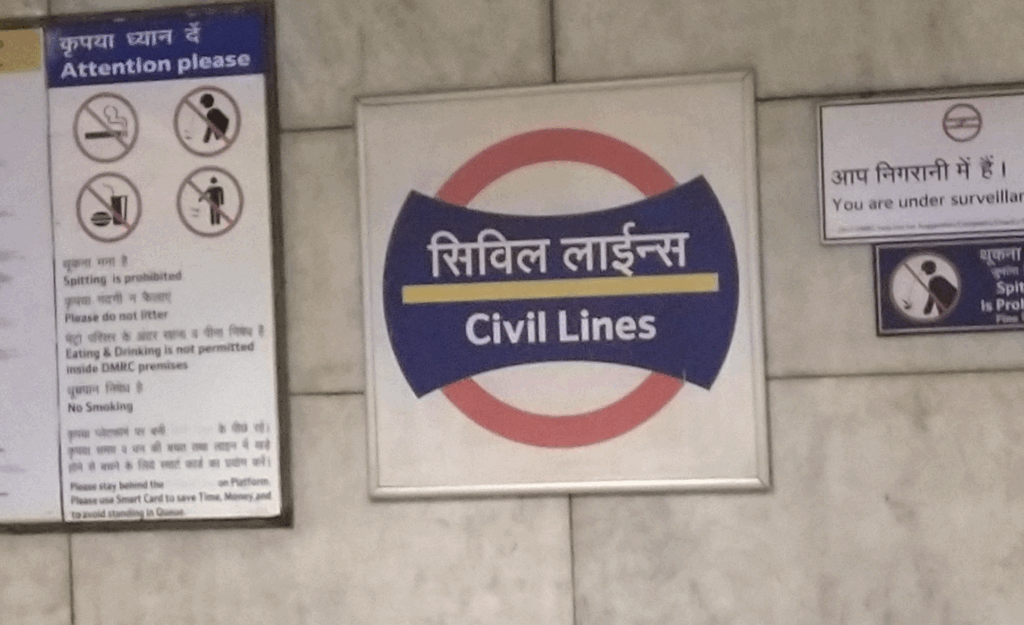

India may soon phase out the term “Civil Lines”a name deeply rooted in the country’s colonial past, as part of a broader effort to remove British-era legacy from public spaces and terminology.
What Are ‘Civil Lines’?
“Civil Lines” refers to residential areas built by the British during colonial rule for senior administrative officers.
- Typically spacious, well-planned neighbourhoods
- Separate from native/local settlements
- Found in cities like Delhi, Kanpur, Nagpur, Jaipur and more
Over time, these areas became elite residential and administrative zones.
Why The Government Wants To Remove The Name
The move is part of a larger push to:
- Remove colonial-era symbols and terminology
- Promote Indian identity and heritage
- Reframe administrative and urban references in a post-colonial context
“Civil Lines” has been identified as one such term that reflects colonial segregation and hierarchy.
What Could Change?
- The term “Civil Lines” may be gradually phased out or renamed
- Local authorities may adopt new, culturally relevant names
- Changes could be more symbolic than structural
Urban experts suggest that while the name may change, the areas themselves will continue to function as before.
Part Of A Bigger Renaming Trend
This is not an isolated move. India has already seen several renaming efforts:
- Rajpath → Kartavya Path
- Allahabad → Prayagraj
- Gurgaon → Gurugram
The aim is to shift from colonial identity to indigenous heritage.
Final Take
The possible removal of “Civil Lines” marks another step in India’s ongoing effort to redefine its urban and cultural identity.
While the impact may largely be symbolic, it reflects a deeper attempt to move away from colonial legacy and reshape public spaces in line with Indian heritage.
Summary
India may phase out the term “Civil Lines,” a colonial-era name for elite residential areas built for British officers. The move is part of a broader effort to remove colonial legacy and promote indigenous identity. While the change may be largely symbolic, it reflects a wider trend of renaming places to align with India’s cultural and historical roots.
Image Source

Comments are closed.