

India is witnessing growing concern over LPG supply and rising energy prices amid the ongoing West Asia conflict. The geopolitical tensions affecting major shipping routes have disrupted global energy supply chains, triggering panic buying, supply pressure, and government intervention to stabilize the situation.
Why the LPG Crisis Has Emerged
The primary reason behind the LPG shortage is the conflict in West Asiawhich has affected the Strait of Hormuza key shipping route for global oil and gas trade. A significant portion of India’s LPG imports comes from Gulf countries and passes through this route.
With shipping disruptions and uncertainty in energy markets, supply chains have been affected, leading to concerns about availability and price volatility in India.
India is heavily dependent on imports for cooking gas, with a large share sourced from the Gulf region. This dependence makes the country vulnerable to geopolitical disruptions in the Middle East.
Panic Buying and Surge in LPG Bookings
Authorities reported a sudden rise in LPG booking requests across the country as consumers rushed to secure gas cylinders. Daily booking requests increased to around 7.6 million compared to about 5.5 million earlier in March, reflecting panic buying rather than an actual nationwide shortage.
Officials have repeatedly urged consumers not to panic or hoard cylindersstating that supply chains are still functioning and distributors continue to operate normally.
Government Measures to Manage the Crisis
The government has introduced several measures to manage the situation and ensure supply stability:
- Increase in domestic LPG production: Output has reportedly risen by about 30% to meet growing demand.
- Priority allocation: LPG supply is being prioritized for households, hospitals, and schoolswhile commercial users are encouraged to shift to alternative fuels.
- Crackdown on hoarding and black marketing of cylinders across states.
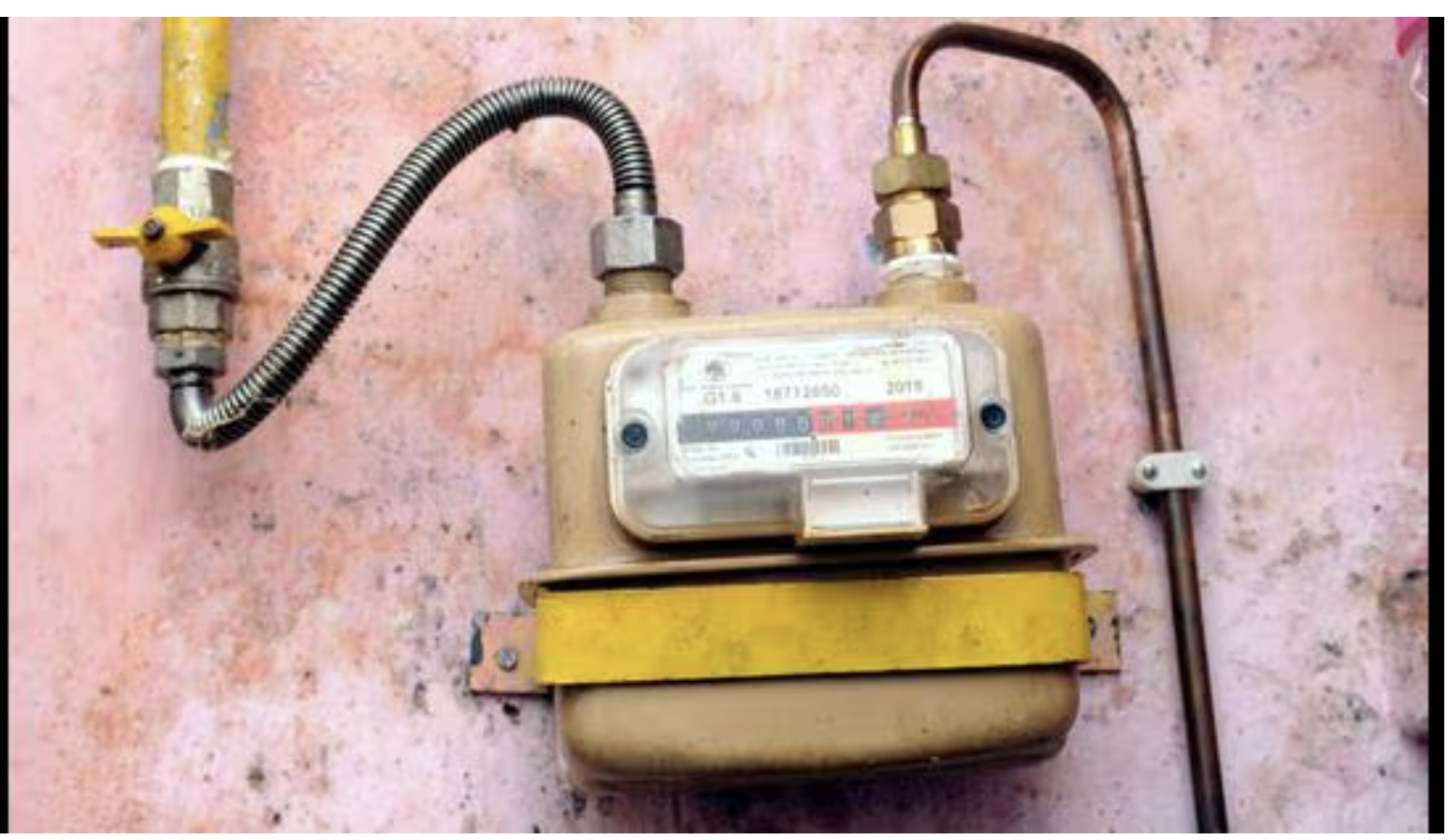
- Encouragement to switch to piped natural gas (PNG) wherever available to reduce pressure on cylinder supply.
Ports have also started prioritizing LPG carrier ships to speed up deliveries.
Impact on Businesses and Daily Life
The LPG shortage is already affecting several sectors across India:
- Restaurants and hotels: Many kitchens in cities like Mumbai have temporarily closed or reduced menu options due to the lack of commercial LPG cylinders.
- Hospitality and food industry: Simultaneous shortages of commercial LPG and piped gas have disrupted operations in some areas.
- Public services: Midday meal schemes and residential schools could face disruptions if the supply pressure continues.
In some regions, businesses have started using coal, kerosene, or induction stoves as temporary alternatives.
LPG Prices Also Rising
Alongside supply concerns, LPG cylinder prices have increased by about ₹60 in March 2026with the price of a 14.2-kg domestic cylinder reaching around ₹913 in Delhi and similar levels in other major cities.
The price rise reflects global energy uncertainty, higher transportation costs, and supply chain disruptions.
Conclusion
The ongoing LPG crisis highlights India’s heavy dependence on imported energy and vulnerable supply chains. While the government has increased domestic production and urged consumers not to panic, the situation remains closely tied to developments in West Asia.
If geopolitical tensions continue, India may accelerate efforts to diversify energy imports, expand domestic production, and strengthen alternative fuel systems to improve long-term energy security.
Summary
India is facing LPG supply pressure due to disruptions in global energy routes caused by the West Asia conflict. Panic buying has increased LPG bookings, while commercial sectors such as restaurants face shortages. The government has boosted domestic production by 30%, prioritized household supply, and encouraged switching to piped gas to manage the crisis and stabilize energy availability.
Image Source

Comments are closed.