
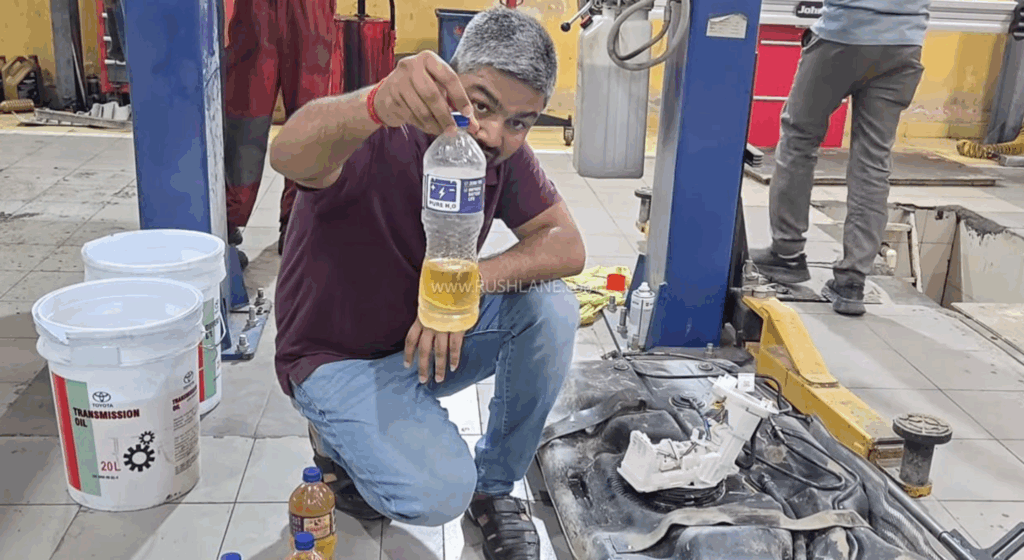

The Central Government is likely to postpone the rollout of E25 petrola fuel blend containing 25% ethanol and 75% petrolfollowing growing public backlash over the nationwide adoption of E20 fuel. The decision comes as authorities assess concerns related to fuel efficiency, engine performance, and vehicle compatibility before moving ahead with a higher ethanol blend.
The delay signals a more cautious approach towards India’s ethanol blending programme, balancing environmental goals with consumer confidence and automotive readiness.
Why Is The Government Reconsidering E25?
India had initially planned to introduce E25 after expanding the availability of E20 fuel across the country. However, complaints from vehicle owners about reduced mileage and concerns over engine wear have prompted policymakers to slow down the transition.
Officials are reportedly consulting automobile manufacturers, fuel experts, and research organisations to evaluate the real-world impact of increasing ethanol content from 20% to 25%. The government is also reviewing studies on compatibility with older vehicles before taking a final decision.
Consumer Backlash Over E20 Fuel
The proposed delay follows weeks of debate surrounding E20 petrol. Several motorists have reported lower fuel efficiency and raised concerns about long-term engine reliability, particularly in older vehicles that were not originally designed for higher ethanol blends.
While social media discussions have amplified these concerns, the government and automobile manufacturers continue to maintain that E20 is safe for compatible vehicles. Officials have acknowledged that ethanol-blended fuel may result in a slight reduction in mileage but argue that the environmental and energy security benefits outweigh the drawbacks.
Ethanol Blending Remains A National Priority
Despite the likely delay, the government has not indicated any change in its long-term ethanol blending policy. Increasing ethanol use remains a key part of India’s strategy to reduce crude oil imports, lower carbon emissions, and provide additional income opportunities for sugarcane farmers and ethanol producers.
Instead of a nationwide rollout, officials are expected to adopt a phased and carefully monitored approach for E25, ensuring adequate testing and consultation before implementation.
What It Means For Vehicle Owners
For now, motorists are unlikely to see E25 petrol at fuel stations in the immediate future. The government is expected to continue monitoring the performance of E20 fuel while gathering further technical evidence and stakeholder feedback.
The decision to delay E25 reflects an effort to address public concerns without abandoning India’s broader clean fuel ambitions. If introduced in the future, the higher ethanol blend is likely to be rolled out gradually and only after ensuring compatibility with vehicles and fuel infrastructure.
Summary (60 Words)
The Central Government is likely to postpone the rollout of E25 petrol following public concerns over fuel efficiency, engine performance, and vehicle compatibility with higher ethanol blends. While India’s ethanol blending programme remains a long-term priority, officials are expected to adopt a phased approach, conduct further technical assessments, and consult stakeholders before introducing petrol containing 25% ethanol.

Comments are closed.