
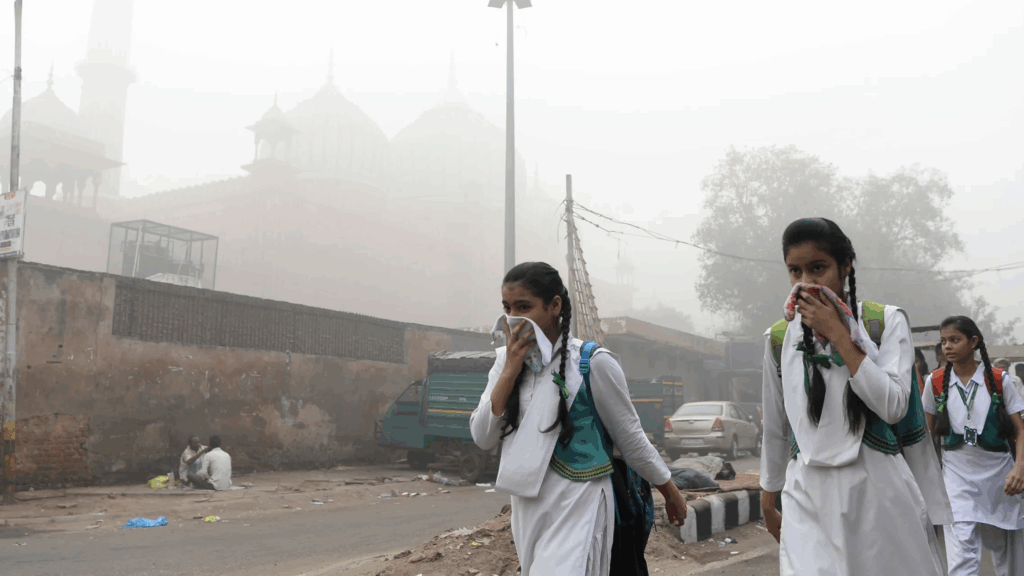

As Delhi continues to struggle with hazardous air pollution, the Delhi High Court has raised pointed questions about the government’s decision to impose GST on air purifiers and related equipment. With residents increasingly relying on such devices to protect their health, the court suggested that essential pollution-fighting products should be treated differently to support public welfare.
Air Pollution — A Persistent Public Health Crisis
Delhi routinely reports dangerous air quality levels, especially during winter months. Toxic smog, vehicle emissionsconstruction dust, crop-burning pollution from neighbouring regions, and stagnant weather conditions combine to create hazardous atmospheric conditions. The deterioration in air quality poses serious health risks, including respiratory issues, asthma flare-ups, cardiovascular stress, and other long-term harm, particularly for children and older adults.
With outdoor air quality often falling into the “severe” or “hazardous” category, many households and offices depend on air purifiers to maintain a safer indoor environment. These devices filter out particulate matter and harmful pollutants, making indoor air significantly cleaner and healthier — especially during peak smog days.
GST on Air Purifiers — Why It Matters
Currently, air purifiers carry a Goods and Services Tax (GST) that applies to consumer electronics. As prices increase due to taxation, affordability becomes an issue, particularly for low- and middle-income families who need these devices most during periods of extreme pollution.
The Delhi High Court, while hearing a petition challenging this tax, pointed out that air purifiers are not luxury items for many residents but health-essential tools. The court questioned whether the GST classification on such life-saving equipment aligns with constitutional principles of protecting public health.
Arguments From Both Sides
Those challenging the tax argue that:
- Air purifiers are healthcare necessities in highly polluted cities.
- Imposing GST increases the financial burden on citizens already grappling with health risks.
- Reducing or exempting GST could make these devices more accessible for vulnerable populations.
Government representatives have explained that tax policy decisions are based on broader revenue and regulatory frameworks. However, the court has urged policymakers to consider the public health implications before enforcing taxes on essential anti-pollution gear.
Wider Implications for Consumers
If the court’s direction leads to reduced or zero GST on air purifiers, prices may fall, and adoption could increase faster, allowing more households to invest in cleaner indoor air. This could help reduce healthcare costs associated with pollution-linked illnesses and improve overall quality of life in smog-affected regions.
Conclusion
The Delhi High Court’s intervention in questioning GST on air purifiers highlights an important debate at the intersection of taxation, public health, and environmental crisis management. As Delhi repeatedly grapples with toxic air episodes, making critical pollution-fighting tools more affordable could be a crucial step toward safeguarding the health of its citizens.

Comments are closed.