
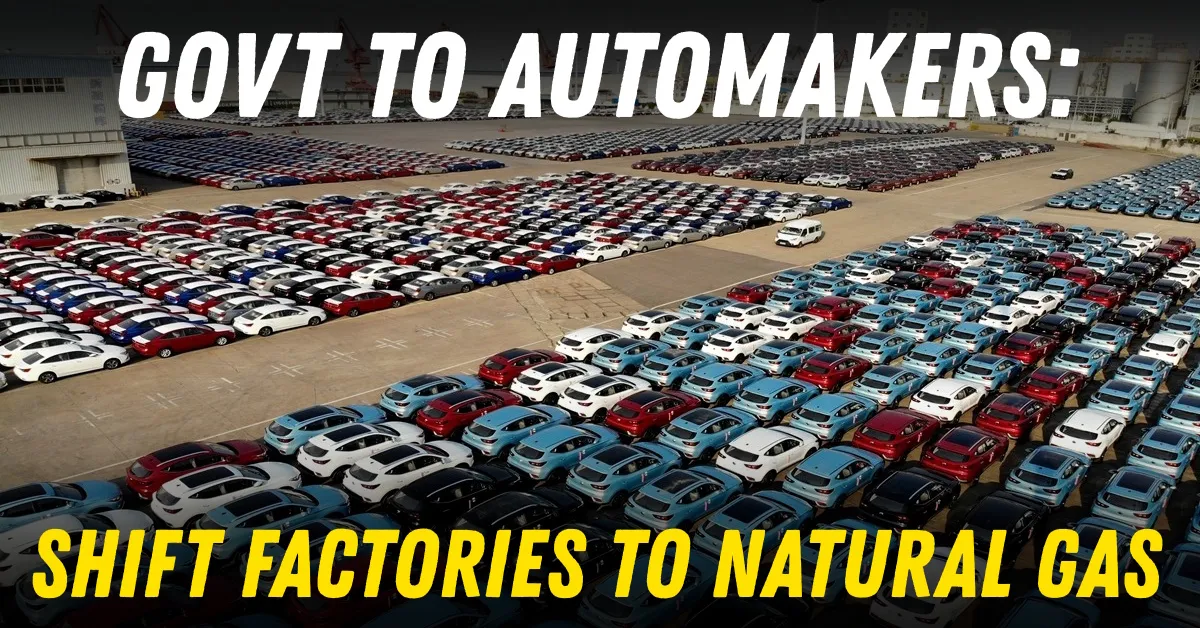

The Ministry of Heavy Industries has directed the automobile sector to fundamentally change how it powers its manufacturing plants. The government wants vehicle manufacturers and component suppliers to urgently move away from oil-based fuels, particularly LPG, and switch to alternative energy sources like piped natural gas and compressed natural gas. This directive is a direct response to the ongoing geopolitical crisis in West Asia, which is creating severe supply risks and disrupting traditional energy chains across the industrial sector.
While buyers typically focus on what goes into the fuel tank of their finished vehicle, building those vehicles requires massive amounts of industrial energy. Parts suppliers rely heavily on fuels like LPG for their daily factory operations, from metal forging to paint shop heating.
If the fuel supply to these component makers is choked, the entire assembly line for new cars and two wheelers slows down. The government is pushing for this immediate transition to ensure that factory processes remain uninterrupted during this period of global volatility and to prevent any downstream impact on vehicle availability.
The urgency of this transition is largely driven by domestic necessities. Earlier in March 2026, the petroleum ministry issued a strict notification prioritizing the supply of LPG for household use over industrial and commercial applications.
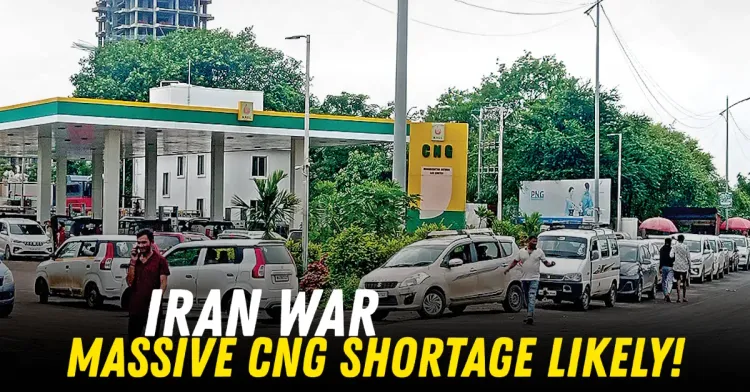
With global fuel shipments facing delays and disruptions due to maritime tensions, the available stock of LPG must be reserved for everyday domestic cooking rather than factory furnaces. This administrative decision leaves the automotive supply chain highly vulnerable to immediate fuel shortages if they do not adapt quickly.
By shifting to piped natural gas and compressed natural gas, factories can tap into energy sources that are currently more abundant and face fewer immediate supply constraints compared to commercial LPG. Industry bodies, including the Society of Indian Automobile Manufacturers and the Automotive Component Manufacturers Association, have been formally asked to coordinate this structural shift across their member companies. The goal is to secure a reliable power source for factories without competing with critical household energy needs during a period of restricted imports.
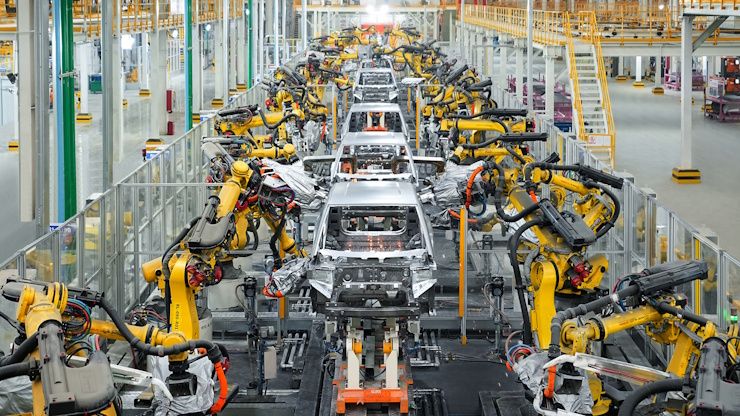
On the factory floor, this fuel transition is already underway out of pure necessity. Several auto component companies have been forced to quickly abandon LPG and switch their machinery to run on natural gas or even traditional diesel.
This reactive move was triggered by actual supply chain breakdowns and limited fuel availability over recent weeks. For these smaller tier suppliers, keeping the production line moving by any means necessary is absolutely critical to meeting their strict delivery commitments to larger vehicle manufacturers.
At this current moment, major car and bike manufacturers have not reported any complete halts in vehicle production. Dealership dispatches are continuing as planned for now. However, government officials have clearly warned that if the international energy crisis extends into April and beyond, the operational pressure on the manufacturing ecosystem will multiply rapidly.
A prolonged conflict in West Asia, combined with acute fuel shortages at the base supplier level, could eventually lead to delayed vehicle deliveries and extended waiting periods for popular showroom models.
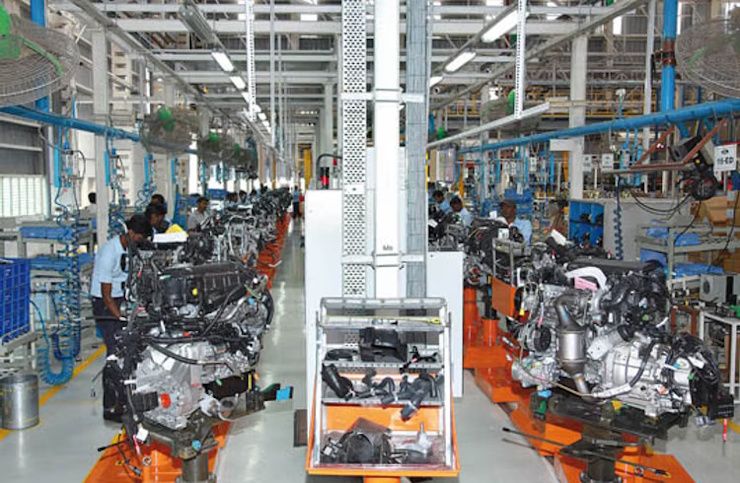
Beyond managing the immediate supply chain crisis, this forced operational shift aligns neatly with broader industrial policy objectives. The ministry views the transition to natural gas in factories as a permanent step toward cleaner manufacturing processes.
While the automotive sector is heavily focused on rolling out electric vehicles and promoting greener mobility solutions for consumers, the backend production processes have often remained highly dependent on conventional, high emission fossil fuels that contradict these environmental goals.
Moving factories permanently to natural gas helps reduce the overall carbon footprint of the manufacturing process itself. This factory level transition naturally complements existing government initiatives, such as the PM E-DRIVE program and the Production Linked Incentive scheme, which are aimed at cleaning up the transport sector from the ground up.
For the consumer, this behind-the-scenes energy reshuffle might not be immediately visible on the showroom floor, but it is a critical manoeuvre to ensure that the production of new vehicles remains stable while the global fuel market navigates unprecedented turbulence.

Comments are closed.