
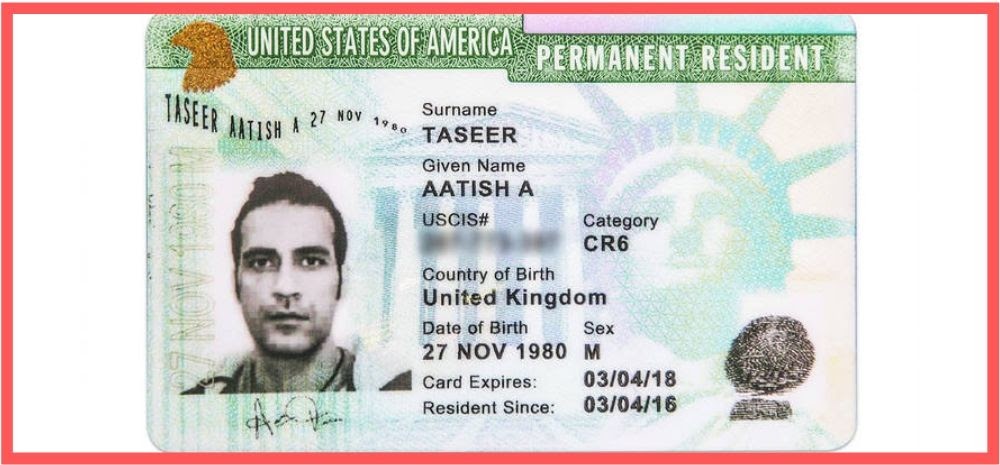

U.S. immigration authorities under President Trump are reportedly placing greater scrutiny on lawful permanent residents (green card holders), with some individuals encountering problems when trying to return after international travel.
Although green card holders generally have the legal ability to reenter the U.S., that privilege is conditional and can be challenged under certain circumstances.
Stricter Reentry Scrutiny for Green Card Holders Under Trump Administration
According to attorney Karim Jivani, “While lawful permanent residents possess the legal right to return to the country in most situations, this right is subject to certain conditions and restrictions under immigration law. Lengthy absences, criminal offenses, fraudulent activities, or abandonment of residence can all lead to scrutiny, delays, or removal actions.”
Extended stays abroad, criminal history, fraud, or evidence suggesting abandonment of U.S. residence can result in questioning, delayed entry, or even removal proceedings.
Green card holders who remain outside the U.S. for one year or longer without first securing a reentry permit through Form I-131 risk losing their permanent resident status.
Even trips lasting less than a year can raise concerns if authorities believe the individual has effectively settled in another country.
To protect their status, permanent residents should maintain strong ties to the United States and avoid lengthy or repeated absences.
Some returning residents are reportedly being denied entry based on claims that they “abandoned” their U.S. residence.
A green card grants the right to live and work legally in the United States, but that status depends on continued compliance with immigration rules.
A Permanent Resident Card becomes technically invalid for reentry if the holder has been outside the U.S. for one year or more.
Even absences shorter than a year may be treated as abandonment if the person establishes residence abroad.
Reentry Permits Safeguard Permanent Resident Status During Extended Travel
A reentry permit confirms that the traveler did not intend to give up permanent resident status and allows reentry after trips of up to two years without needing a returning resident visa.
Reentry permits are typically valid for two years from issuance.
Anyone planning to stay abroad for one year or more must apply for a reentry permit before leaving the United States.
Failure to obtain a permit before a year-long absence may result in being considered to have abandoned permanent resident status and possibly being referred to an immigration judge.
Form I-131 must be filed while the applicant is physically present in the United States and ideally at least 60 days before departure.
Applicants do not need to remain in the U.S. while the permit is processed, provided biometrics have been completed.
The approved permit can be sent to a U.S. embassy, consulate, or DHS office abroad for pickup.
No reentry permit is required for trips shorter than one year; a valid green card (Form I-551) can serve as the travel document.
For naturalization, applicants generally must show five years of continuous residence after obtaining permanent residency and at least three months of residence in the relevant state or district before filing.
An absence of more than six months but less than one year is presumed to interrupt continuous residence, though applicants may present evidence to rebut that presumption.
Jivani cautions, “Lawful permanent residents must be aware of the consequences associated with prolonged absences… Regular extended travels abroad may raise concerns regarding abandonment and could complicate naturalization processes, where continuous residence and physical presence are closely examined.”

Comments are closed.