

Highlights
- Green data centers cut emissions using advanced cooling, renewables, and recycling at scale.
- Liquid immersion and AI-driven airflow reduce cooling energy use by up to 40%.
- Solar-powered data hubs in India and globally stabilize power costs and internet reliability.
- Recycling and circular design slash e-waste while creating jobs and lowering tech prices.
People always spend hours upon hours each day interacting with their phones and computers, with very little regard for how much energy they consume throughout that time.
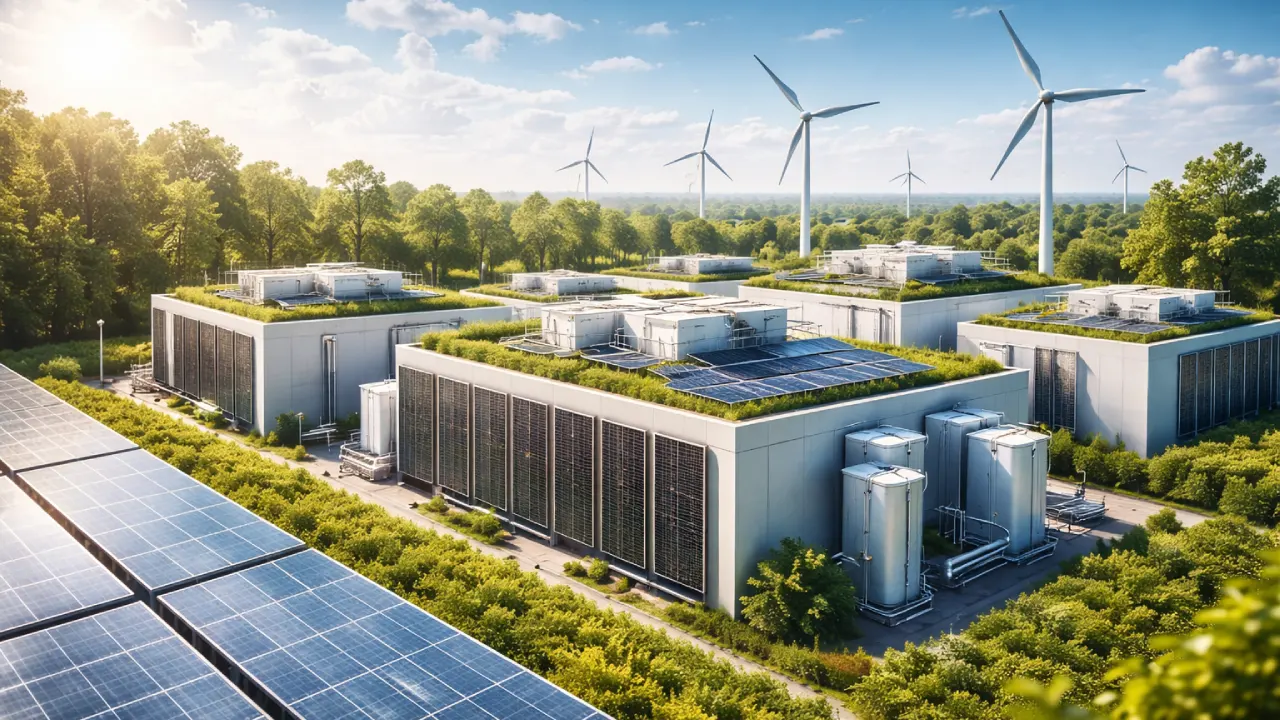
Large data centres require an incredible amount of electricity to operate, however as the globe starts to rely more on green energy, major technology companies are working towards reducing their carbon footprints by improving the efficiency of their cooling systems, using renewable energy sources, and recycling waste products.
Although there is still much work to be done in terms of establishing industry standards for environmentally friendly technology, the changes taking place now are extraordinary and will revolutionise the way we use technology every day, including telephone calls and internet access—and creating a cooler planet and lower energy bills along the way!
Green Data Centers Carbon Footprint 2025: Impacts Your Bills
Data centers worldwide consume more electricity than entire countries like Sweden—about 2% of global power, per recent IEA reports. They’re exploding with AI and cloud demands, projected to triple by 2030.
For everyday folks, this means higher energy costs trickling into your phone bill. Middle-class households streaming videos or working remotely feel it—your $10 monthly data plan? Partly inflated by inefficient servers.
In India, where data center capacity is booming to 2 GW by 2026, power shortages hit homes hard during peaks.
Global scenario: Hyperscalers like Google and Microsoft lead, aiming for carbon neutrality by 2030.
India scenario: Firms like NTT and CtrlS are retrofitting with efficiency tech amid rising urban demand.
What innovations are cooling these energy hogs first?
Data Center Cooling Innovations 2025: Save 40% Energy
Cooling eats 40% of a data center’s power—think giant AC units blasting non-stop. Enter liquid immersion and AI-optimized airflow, slashing that by up to 40%.
Picture servers dunked in non-conductive oil, like those at Microsoft’s Project Natick underwater farms. No fans needed; heat dissipates naturally.
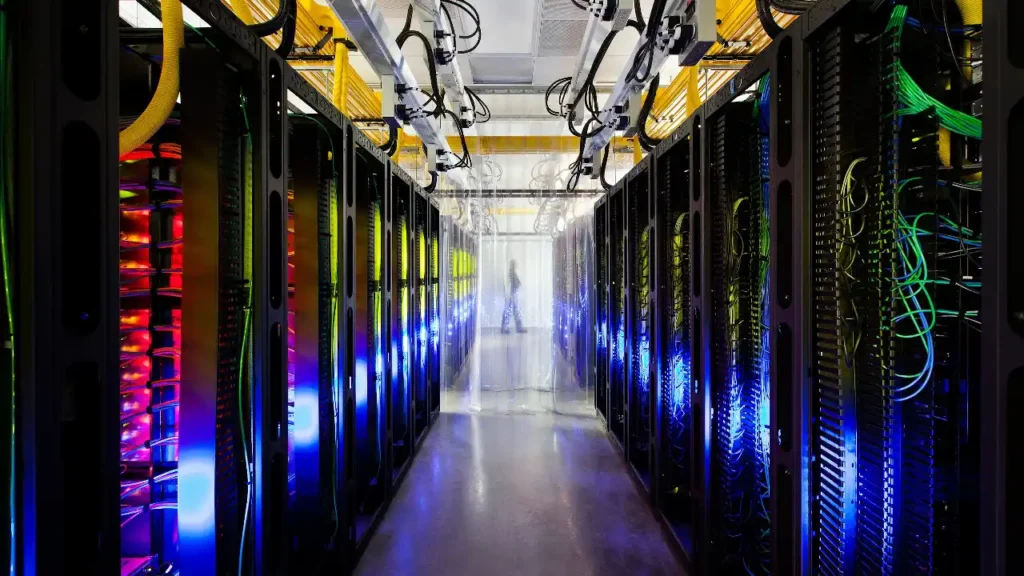
How it hits your life: Lower energy use means stable grids. Middle-class families in the US or India avoid $0.10/kWh spikes during heatwaves, keeping Zoom calls smooth for remote work or kids’ online classes.
- AI airflow: Sensors redirect cool air precisely, saving 30% energy (used by AWS).
- Free cooling: Arctic air in Nordic centers chills servers for free.
- India twist: Hyderabad hubs use monsoon winds for hybrid cooling.
Global scenario: Europe’s cold climates host 25% of green centers; US leads immersion pilots.
India scenario: Adani’s solar-cooled facilities in Chennai cut costs amid tropical heat.
Ready for the power side—how are renewables flipping the energy bill?
Renewable Energy Data Centers: Solar Power Cutting Costs
Data centers are ditching fossil fuels for solar, wind, and hydro—Google hit 100% renewable matching in 2024.
Massive solar farms, like Apple’s 700 MW setup in the US, power iCloud without coal. Batteries store excess for night ops.
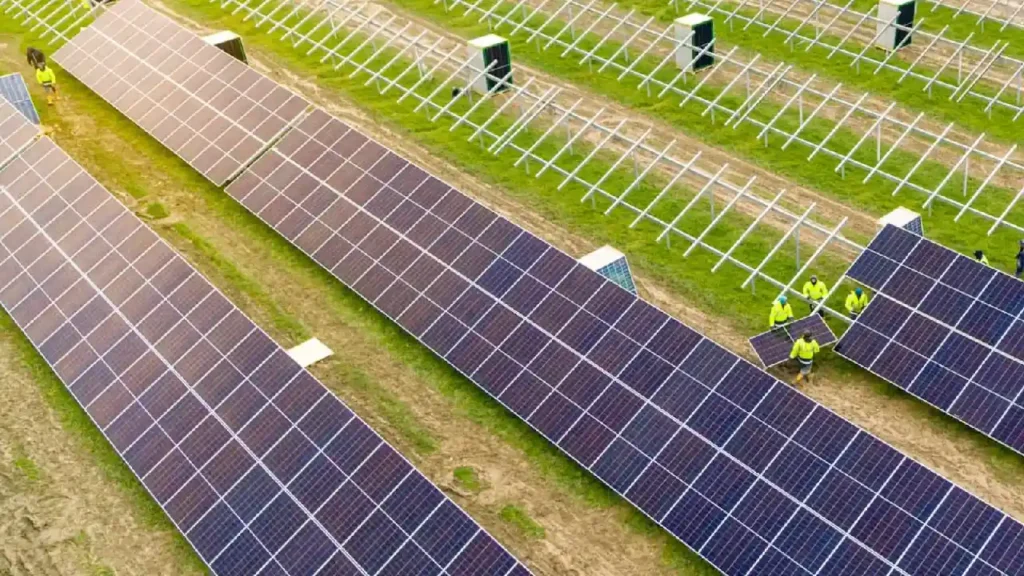
Daily impact: Cleaner energy stabilizes prices. Your $50 family Netflix sub stays affordable as providers pass along savings—lower global emissions mean fewer climate taxes on groceries.
In India, middle-class urbanites gain from reliable internet during monsoons, no more outages.
- Offsite renewables: Firms buy wind power remotely (Meta’s 1 GW deals).
- On-site panels: Amazon’s Virginia centers generate 90% onsite.
- Microgrids: Resilient to blackouts, aiding remote workers everywhere.
Global scenario: China dominates solar-powered centers; EU mandates 50% renewables by 2030.
India scenario: Reliance Jio’s Gujarat mega-hub runs 70% solar, powering 500M users.
But what about waste—can recycling keep e-waste from your neighborhood dump?
Data Center Recycling E-Waste: Reduce Landfill Impact 2025
Old servers pile up as e-waste mountains—460M tons yearly globally. Green centers recycle 90% of materials: gold from chips, rare earths from drives.
Microsoft’s closed-loop program remanufactures gear, extending life by years. Robots dismantle precisely.

Your world: Less landfill leachate polluting water sources near middle-class suburbs. Cheaper recycled tech means $500 laptops instead of $800, accessible for students globally.
India’s informal recyclers get formal jobs, cleaning up toxic slums.
- Modular design: Easy-swap parts reduce waste 50%.
- Bio-based materials: Plant plastics for casings.
- Circular economy: AWS resells refurbished servers.
Global scenario: Japan recycles 80% of electronics; US pushes via EPA incentives.
India scenario: Mumbai pilots turn e-waste into jobs, per MeitY guidelines.
How do these tie into AI’s wild growth?
AI Data Centers Green Efficiency: Power Savings Explained
AI training guzzles power—a single ChatGPT query consumes as much energy as 10 Google searches. Green centers use efficient chips like Google’s TPUs, cutting energy use by 30x.
Edge computing brings processing closer to you, slashing the energy required to move data.

Real-life win: Faster, greener AI means affordable tools for middle-class creators—free image generators or job-hunting bots without surging bills.
- Low-power AI: NVIDIA’s Grace chips sip 40% less juice.
- Federated learning: Trains on-device, no cloud hog.
- India angle: Bengaluru AI hubs go green to attract talent.
Global scenario: 60% of new centers AI-optimized; Singapore leads edge tech.
India scenario: TCS and Infosys build AI-green facilities for export services.
What’s the cost—worth it for firms and you?
Green Data Center Costs 2025: ROI and Bill Savings
Building green costs upfront—$1B+ for a hyperscale center—but ROI hits in 3-5 years via $0.05/kWh savings.
Google saved $100M in annual power costs. Incentives like US IRA tax credits sweeten it.
Pocket impact: Providers compete on low costs; your $20 Zoom sub or $0.99 app downloads dip. Middle-class savings add up—$50/year per household, indirectly, on utilities.

India sees 20% cheaper cloud via green subsidies.
Global scenario: $300B market by 2030, per McKinsey.
India scenario: $5B investments by 2025, creating 50K jobs.
How are regulations pushing this forward?
Data Center Regulations 2025: Global Green Incentives
EU’s Green Deal mandates PUE under 1.3 (power usage effectiveness). US Inflation Reduction Act pumps $370B into clean tech.
Carbon taxes hit polluters—$50/ton in Sweden forces change.
Everyday effect: Policies ensure your kids inherit stable climate, cheaper EVs charged via green grids powering data flows.
- PUE targets: 1.1 goals worldwide.
- Carbon credits: Firms trade savings.
- India’s PLI scheme: $1.2B for green data hubs.
Global scenario: 100+ countries with net-zero pledges.
India scenario: National Green Hydrogen Mission aids power.
Who’s leading the pack?
Top Green Data Centers 2025: Google, Microsoft Leading
Google: 100% renewables. Microsoft: Carbon-negative by 2030. AWS: 100 cities climate pledge.
Laggards like some telcos lag, but pressure mounts.

Your benefit: Top players deliver reliable, cheap services—middle-class reliant on Google Workspace thrives.
Global scenario: Big Tech 70% of capacity green.
India scenario: Google’s Navi Mumbai center pioneers.
What’s next for your digital life?
Green Data Centers Future 2030: Trends and Predictions
By 2030, 80% of centers could be green, per Uptime Institute. Quantum cooling and advanced batteries loom.
Bottom line for you: smoother apps, lower bills, and a more incredible planet. Middle-class families worldwide—from Delhi suburbs to Texas towns—enjoy uninterrupted connectivity without the guilt.
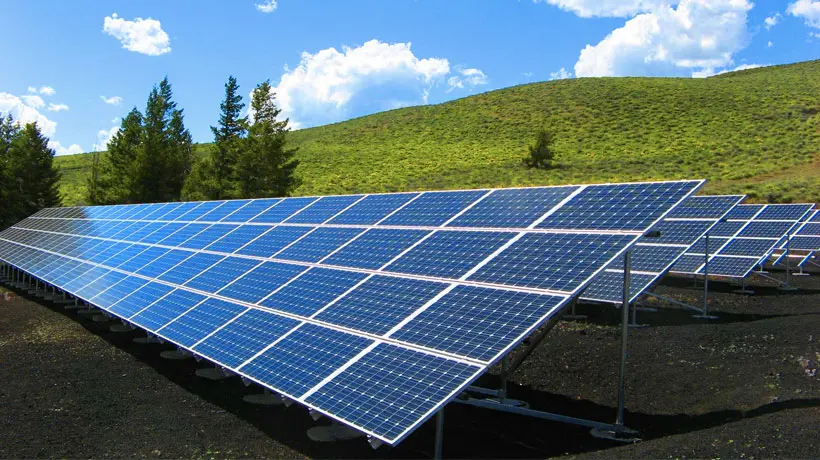
India’s 1 GW green capacity by 2027 boosts GDP and jobs.
Global scenario: Fusion power pilots eyed.
India scenario: 50% renewable mandate by 2030.
How can you push for more green in your apps?

Comments are closed.