

Highlights
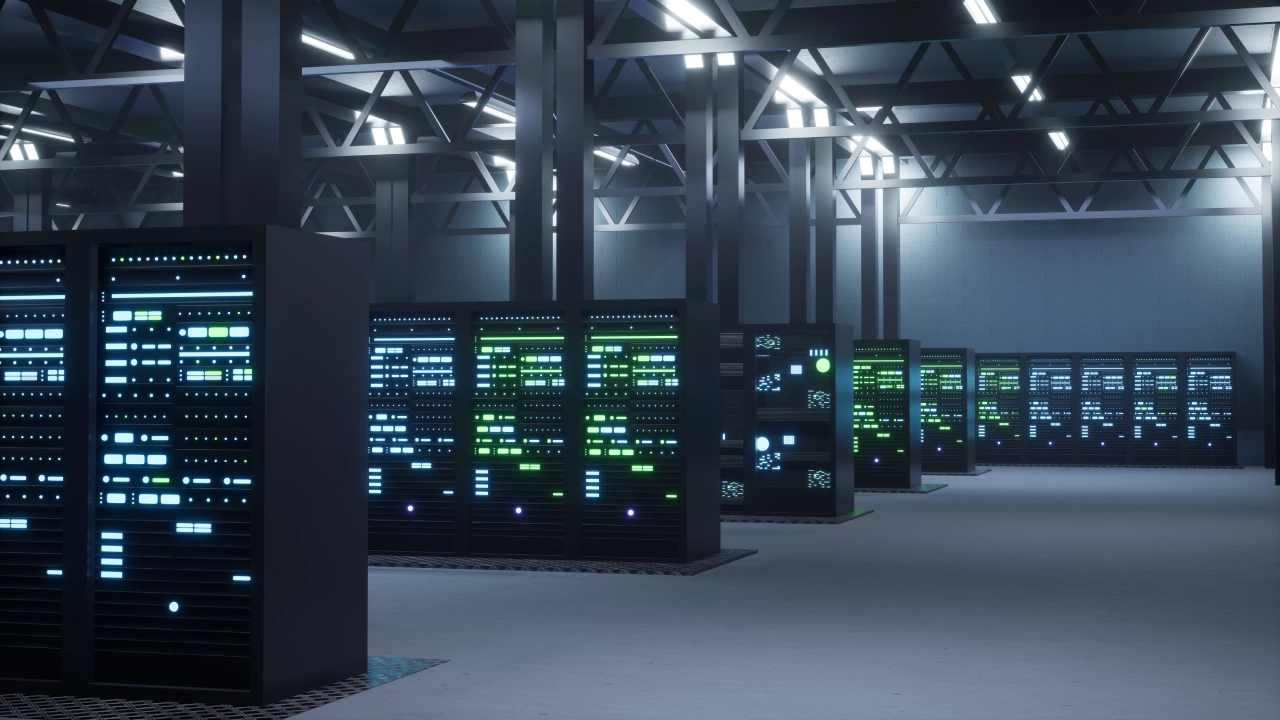
- The demand for data centers in India is likely to reach 1,500 MW of IT load capacity by the year 2026. These requirements will be due to the high use of cloud technology, AI, 5G, and digital services.
- The main places where data centers are located are Mumbai, Chennai, Hyderabad, Delhi-NCR, and Bengaluru. Besides these, Tier-2 cities like Pune and Kolkata are also becoming the new hubs.
- The energy used by the cooling infrastructure of Indian data centers is 30–50% of the total energy consumption in these data centers, thus innovation in this area becomes very important.
- The fast adoption of new cooling methods is taking place in case of liquid cooling, immersion cooling, rear-door heat exchangers, and AI-based thermal monitoring.
- The government initiatives like Digital India, Data Centre Policy 2020, and state-level incentives are powerfully driving the growth of data center infrastructure.
Introduction
Data centers in India have turned into the digital backbone of the Indian economy. The country is rapidly moving toward cloud computing, AI-powered services, and 5G networks, which means that the demand for the data center infrastructure that can offer swiftness, security, and low energy consumption is growing very fast. This expansion also brings with it the need for cooling technologies that can handle the high-temperature, humid, and unstable power supply conditions that are compromising the carbon footprint-cutting area in India.
India’s data center market is predicted to be around $10 to 12 billion by 2027. Global hyperscalers, telecom giants, and Indian conglomerates are all heading to the country and building large-scale facilities all over. However, one of the main driving forces behind this rise is the cooling infrastructure, which is often overlooked but important. It not only provides stability to the systems but also prevents hardware failure and cuts down operational costs.
The feature article takes a comprehensive look at the progress of data centers in India, the necessity for advanced cooling technologies and the creative solutions that are going to determine the nature of the sustainable digital infrastructure of the future.
The Rise of Data Centers in India
Digital Transformation and Cloud Adoption
The transition of India toward digital services has been increasingly perceptible since 2020. The main contributors are:
- the fast adoption of cloud services by both large enterprises and startups
- the massive increase in the usage of OTT streaming, gaming, and finance transactions
- the government’s digitalization of services
- the hybrid work model and video conferencing
The migration of workloads to cloud platforms such as AWS, Google Cloud, Microsoft Azure, and also CtrlS and Yotta (India’s local cloud providers) has been one of the main causes of the continuing high demand for large-scale data infrastructure.

Major Data Center Hubs in India
The distribution of India’s data center clusters has now been done with respect to the most vital locations:
- Mumbai — the biggest hub; nearness to subsea cable landings
- Chennai — the development of a hub due to new submarine cable and hyperscale expansion
- Hyderabad — major hyperscale investments fueled by cloud and AI
- Delhi-NCR — government, financial and enterprise workloads
- Bengaluru & Pune — focus on enterprise and IT services
The recently emerging Tier-2 cities such as Kolkata, Jaipur, Ahmedabad, and Kochi are not only becoming popular because of their low land prices but also due to the new connectivity routes they offer.
Cooling technology is indispensable for Indian data centers.
Extreme Weather Conditions
A lot of Indian cities have temperatures in the range of 35–45°C during the summer months which results in a significant increase in the cooling load. Hot and moist environments along with coastal conditions and pollution all wear hardware more quickly and thus, put more pressure on the existing, still traditional cooling systems.
Energy Consumption Challenges
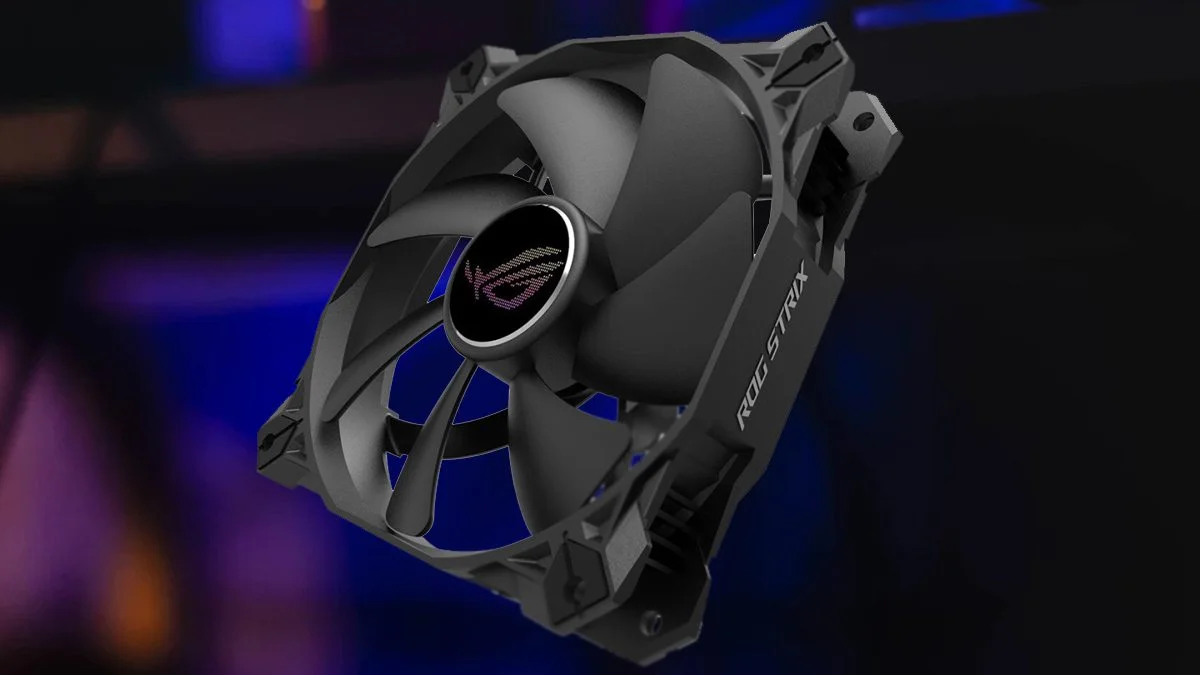
Cooling systems are very hungry in terms of electricity and might account for 30–50% of the whole data centers’ power consumption, making them a prime operational cost after IT equipment. The technology-efficient cooling system thus becomes the economically vital requirement for the future with electricity prices at a constant rise.
Sustainability and ESG Mandates
Data Center operators get it that they have to:
- cut down on their carbon emissions
- go for green energy
- make PUE (Power Usage Effectiveness) better
- Innovative cooling is to the rescue in these cases.
Old vs. New Cooling Technologies
1. Air-Based Cooling (Traditional but Limited)
Air cooling is still widely used, particularly in small and medium size data centers. It relies on:
- Computer Room Air Conditioning (CRAC) equipment
- Hot/cold aisle containment
- Raised floors to distribute air for cooling
Air cooling works well in moderate climate but at high rack density, this method is less efficient, especially the AI and HPC (High Performance Computing) workloads that generate much of the heat output.
2. Liquid Cooling Methods
Liquid cooling is becoming the preferred method very quickly because of its effectiveness in dealing with high-heat workloads.
Direct-to-chip liquid cooling
A cold plate is attached to the CPU and GPU of the server to which the coolant is circulated.
Advantages:
- greatly reduced thermal resistance
- accommodates AI servers with high density
- savings in electricity
Immersion cooling
The servers are placed in a dielectric and non-conductive liquid that absorbs heat immediately.
Benefits:
- very high heat-removal ability
- almost no noise from the hardware
- less chance of mechanical failure
- less water used
Some major data center operators in India have started tests for AI and GPU, especially related to immersion cooling for their clusters.
3. Rear-Door Heat Exchangers (RDHx)
RDHx cooling removes heat from the rack level by using chilled water.
Reasons for India’s preference:
- suitability for air-cooled setups
- lessened cooling pressure on the whole room
- taller rack densities are possible
This method is a money-saving one for the operators who intend to modernize their aged facilities.
4. Adiabatic and Evaporative Cooling
These systems rely on the process of water evaporation to cool the air.
The positives are:
- very efficient in hot and dry areas
- the energy consumption of these units is significantly lower than that of conventional CRAC units
Still, the availability and quality of water have to be taken into account – a problem that many Indian states are facing.
5. AI-Driven Cooling Management
The thermal management of data centers is one sphere where Artificial Intelligence is quite influential.
The role of AI and automation:
- temperature hotspot monitoring in real time
- cooling load adjustments based on prediction
- airflow optimization done by computer program
- overcooling reduction
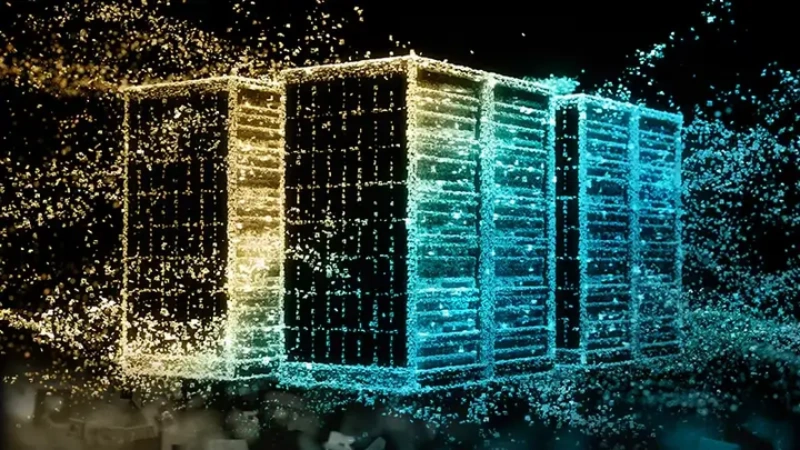
Big operators already employ AI to reduce PUE by 10%–30% in conjunction with machine learning systems.
Cooling Tech in India’s Hyperscale Data Centers
Hyperscalers Leading Innovation
The giants like Google, Amazon, and Microsoft, along with AdaniConneX, STT GDC India, Web Werks, and Yotta Infrastructure, are investing in:
- hybrid cooling systems
- renewable energy power plants
- high-efficiency chillers
- liquid cooling for AI compute clusters
The rapid explosion of AI applications in India, particularly in the fields of Banking, Financial Services, and Insurance (BFSI), e-commerce, and public sector, is the major factor driving the need of operators to go for cooling infrastructures of the next generation.
Government Initiatives Strengthening the Sector
Data Centre Policy 2020
The provision of the policy include special tax incentive zones for data centers,
financial support for infrastructure, quick approvals and green energy supply. Data center incentives have been set up in various Indian states like Maharashtra, Tamil Nadu, Karnataka, and Uttar Pradesh.
Digital India and 5G Impact
The aggressive government digitalization policies together with the speedy 5G deployment are spurring the need for
edge data centers,micro data centers
as well as regional facilities in Tier-2 and Tier-3 cities.These small centers must have cooling systems that are compact, efficient, and designed for the smaller footprint.
The Sustainability Push: Green Cooling Technologies
Use of Renewable Energy
Operators are integrating solar farms, wind energy and hybrid power grids. Thus, the reliance on power that is carbon-heavy is decreased.
Free Cooling in Cooler Regions
Some Indian cities permit the use of “free cooling” by allowing outside air to enter during the cooler months.
This practice leads to a lesser use of chillers and hence, energy savings.
Low-GWP Refrigerants
Chillers that operate under global environmental standards are moving towards low-GWP (Global Warming Potential) alternatives.
Future of Cooling Tech in India’s Data Centers
1. Full-scale adoption of immersion cooling for AI clusters
As computation power of AI models increases, immersion cooling is very likely to be adopted as the mainstream method.
2. Expansion of Edge Data Centers
The facilities that are smaller in size but still need:
- modular cooling
- micro-liquid cooling
- localized energy-efficient systems
- will be the ones that rely on these methods most.
3. AI-orchestrated Cooling as Standard
Energy costs and downtime will be managed through physical infrastructure regulation done by automation.
4. Sustainability-driven Innovation
Green cooling will be the number one priority of operators; among them will be waste-heat reuse and water-efficient technologies.

Conclusion
The data center industry in India is changing its face due to the factors like hyperscale expansion, the growth of digital adoption, and the arrival of AI workloads. As the demands of workloads increase and the sustainability concerns become more critical, the very advanced cooling technologies have turned out to be the basic requirements for making data centers efficient, resilient, and eco-friendly. Some of the new technologies like liquid cooling, immersion cooling, AI-based thermal management, and modular cooling systems are helping to make India a strong contender in the international data center market.
Backed by government support, more investment, and fast technology development, the Indian data center ecosystem—the area of next-gen cooling solutions—will be a major factor in the country’s digital future.

Comments are closed.