
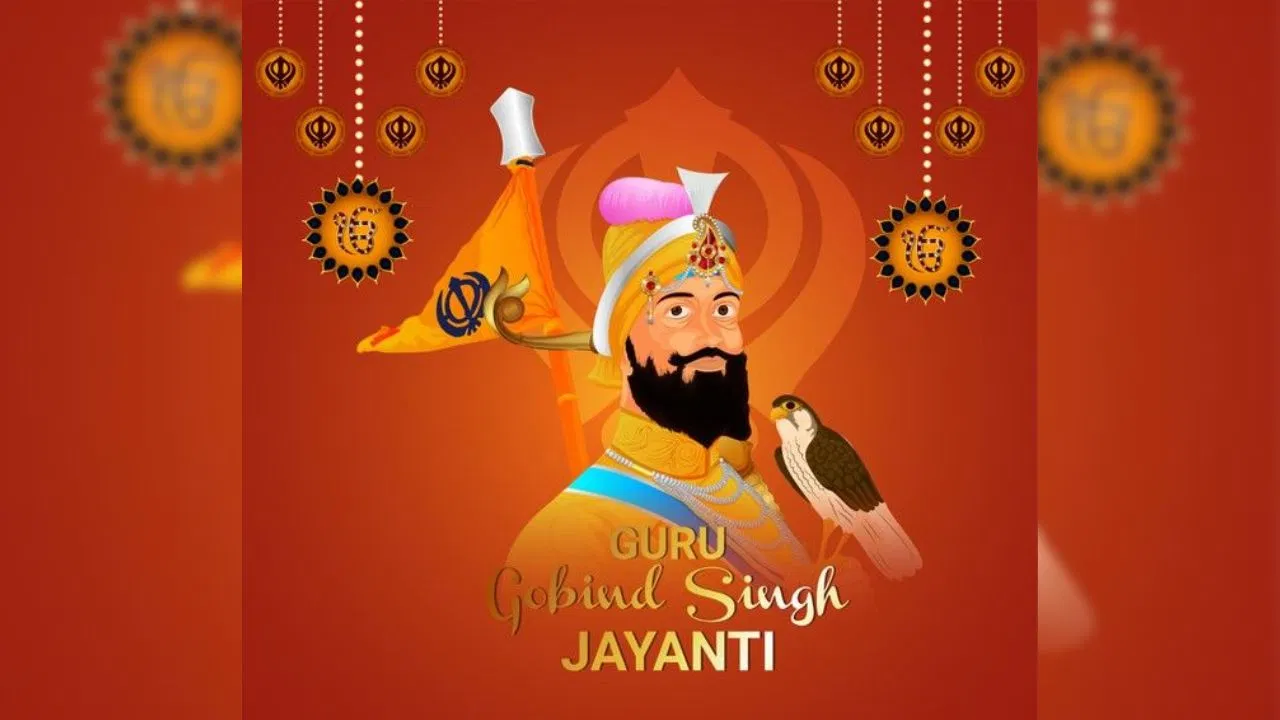

New Delhi: Guru Gobind Singh Jayanti commemorates the birth anniversary of Guru Gobind Singh Ji, the 10th and final Guru of Sikhism. The occasion holds deep importance for the Sikh community, as it honours a leader who shaped Sikh identity through courage, sacrifice and discipline. His life stood for justice, equality and moral strength, inspiring people to resist oppression and live with dignity, faith and responsibility even during the most challenging times faced by society collectively today and across generations worldwide.
In 2025, Guru Gobind Singh Jayanti will be observed on December 27. The day is marked by prayers, kirtans, Nagar Kirtans and readings from the Guru Granth Sahib. Devotees remember the Guru’s teachings, his sacrifices and his vision of a society guided by service, righteousness and unwavering faith that continues to influence personal conduct and collective conscience today globally. Let’s learn more about the history, significance and his legacy and contributions.
Life, legacy and relevance of Guru Gobind Singh Ji
1. Who was Guru Gobind Singh Ji
Guru Gobind Singh Ji was born as Gobind Rai in 1666 in Bihar’s Patna to Guru Tegh Bahadur Ji and Mata Gujri Ji. From an early age, he was trained in spirituality, leadership and martial skills. Growing up during a period of religious oppression, he developed a strong sense of justice and responsibility towards society.
2. Becoming the 10th Sikh Guru
At the age of nine, Gobind Rai became the Sikh Guru following the martyrdom of his father, who gave his life defending religious freedom. Despite his young age, he guided the Sikh community with clarity and strength, preparing them to face political and social challenges with resilience.
3. Key teachings and contributions
Guru Gobind Singh Ji emphasised honesty, bravery and service to humanity. He believed that spiritual life and moral action must go together. A poet and philosopher, he used powerful writings to awaken courage and devotion among his followers.
4. Formation of the Khalsa
In 1699, Guru Gobind Singh Ji established the Khalsa, a collective of committed Sikhs bound by discipline and moral conduct. The Khalsa represented the ideal of saint-soldiers, devoted to protecting truth, justice and the oppressed.
5. Five Ks and their meaning
The Khalsa identity includes the Five Ks: Kesh, Kangha, Kara, Kirpan and Kachera. These symbols stand for discipline, faith, self-respect, protection of the weak and moral living, reminding Sikhs of their responsibilities every day.
Guru Gobind Singh Jayanti is not just a remembrance of history but a reminder of values that guide ethical living. His teachings on equality, courage and faith continue to inspire generations across cultures and communities.

Comments are closed.