

New Delhi: Concerns are rising following reports of a Hantavirus outbreak on an Atlantic cruise ship, sparking questions about whether lockdowns or mask mandates could return. However, experts emphasize that this virus behaves very differently from COVID-19.
During a press briefing on Thursday, Dr Maria Van Kerkhove, WHO Director of Global Pandemic Preparedness, reassured the public: “This is neither COVID nor influenza; this virus spreads in a very different way.” She confirmed that currently, no passengers or crew on the ship are showing symptoms. Human-to-human transmission of Hantavirus, particularly the Andes strain identified in this outbreak, is rare and typically requires close contact.
WHO Insights on Transmission
Dr. Abdirahman Mahamud, Director of the Department of Alert and Response Coordination at WHO, noted parallels with a 2018–19 outbreak in Argentina, where infections occurred after social gatherings involving an infected person. He emphasized that strict measures such as contact tracing and isolation are effective in preventing further spread, and currently, there is no risk of a major epidemic.
Key Differences Between Hantavirus and COVID-19
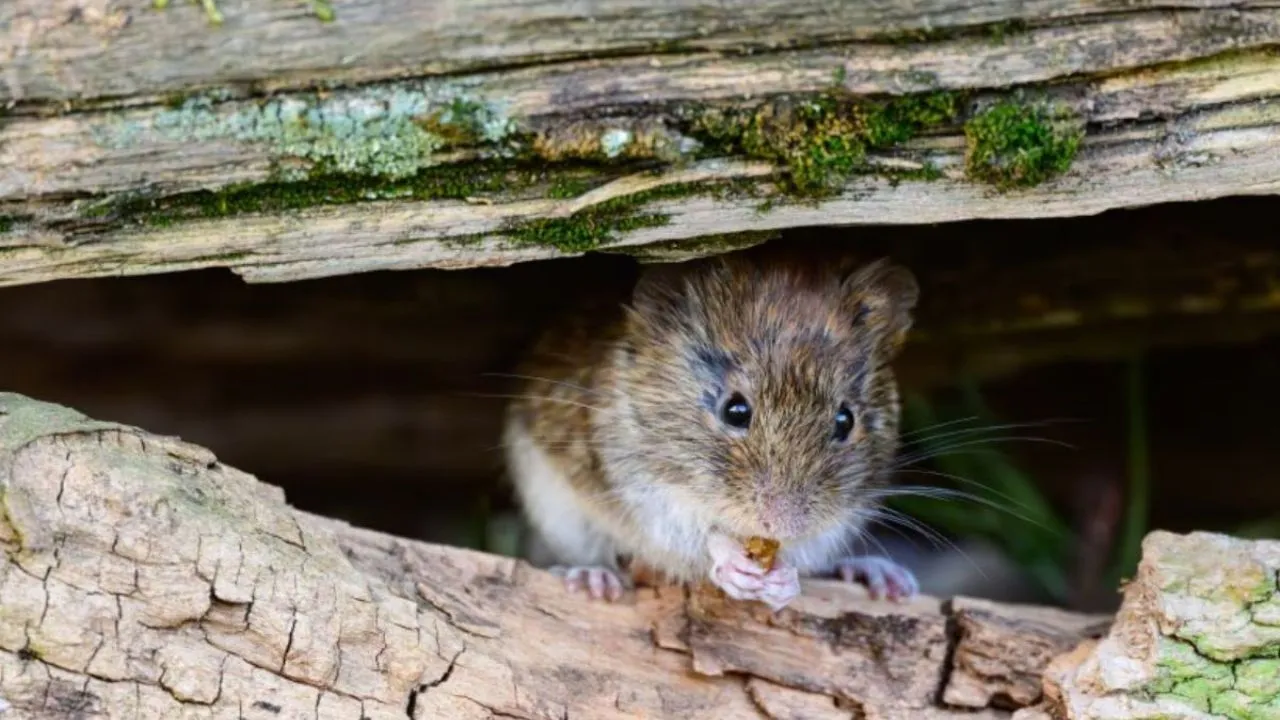
Origin: Hantavirus is primarily zoonotic, transmitted from animals (usually rodents) to humans, while COVID-19 spreads rapidly between people.
Severity: Although Hantavirus infections can be highly lethal, its transmission rate is low, making large-scale outbreaks unlikely.
Transmission: The virus spreads mainly through contact with rodent urine, feces, or saliva. Human-to-human transmission is uncommon, except for the Andes strain, which still requires very close contact.
The Cruise Ship Situation
The recent cases on the cruise ship involved the Andes strain. While this strain can spread between humans, infection remains limited to close interactions, making it far less contagious than COVID-19.
In short, while vigilance is necessary, lockdowns and mask mandates are not expected at this time. Following basic precautions like monitoring symptoms, contact tracing, and isolation remains the most effective defense.

Comments are closed.