

New Delhi: The latest report by FICCI and Ernst & Young has revealed key trends shaping India’s music and streaming industry in 2025, highlighting significant growth in digital consumption and surprising listener preferences.
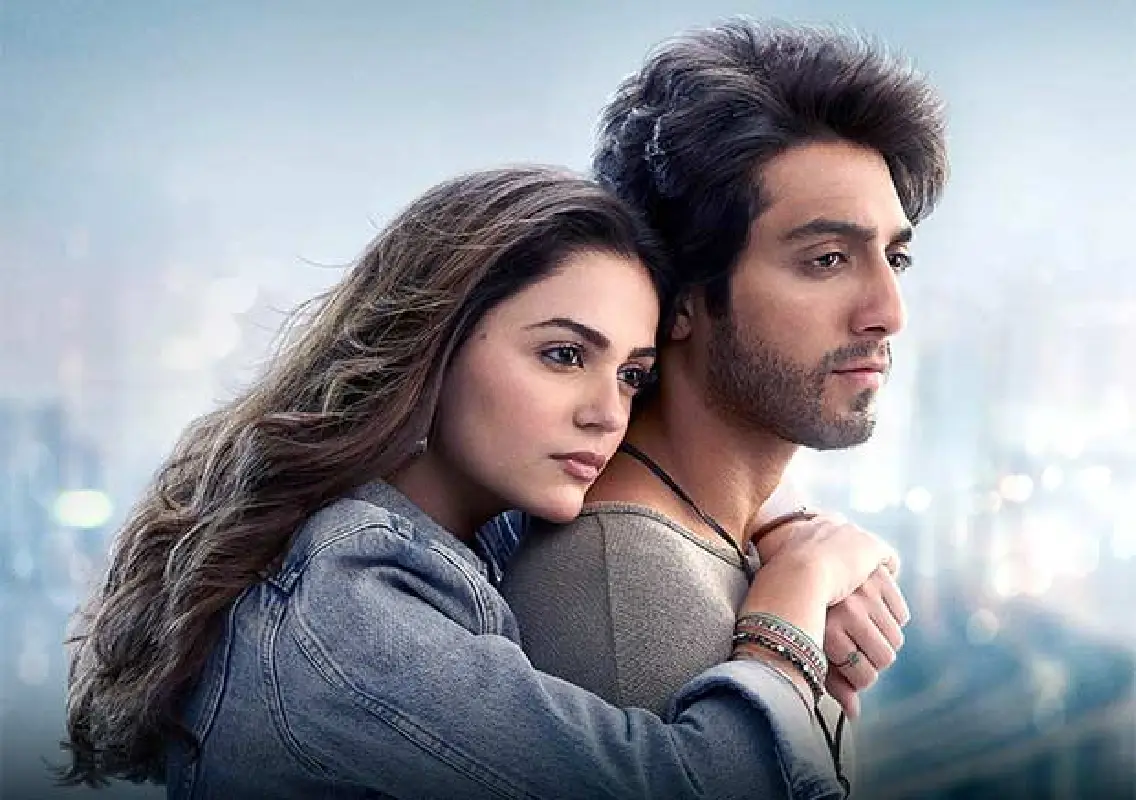
One of the standout findings is that the devotional track Hanuman Chalisa recorded 1.5 times more streams than the year’s biggest film song, the title track of Saiyaara title track.
Music industry revenue rises
According to the report, music industry revenues from licensing and related streams grew by 10% to reach ₹5,900 crore in 2025.
Digital licensing accounted for 58% of total revenues, driven by the growing popularity of streaming platforms, YouTube, and social media. Other licensing streams, including performance rights, publishing, and physical sales, contributed 27%, while the remaining 15% came from live events, artist management, and branded content.
Streaming consumption surges
Music streaming continued its upward trajectory, reaching approximately 17.8 crore users who collectively generated 5.8 trillion streams during the year—a 15% increase over 2024.
The number of paid subscribers rose sharply to 1.4 crore, marking a 37% growth, as platforms increasingly pushed users towards subscription-based models.
The report also noted that 96% of smartphone users listened to music, with 77% accessing it through legal digital platforms. Among them, 58% were paid users (including bundled services), while 42% relied on free streaming options.
Devotional content dominates trends
A key highlight of the report was the dominance of devotional music. The Hanuman Chalisa not only outperformed popular film songs but also saw a 35% spike in streams on Tuesdays, reflecting strong cultural listening patterns.
This trend indicates that traditional and spiritual content continues to hold a strong position even in a rapidly digitising music ecosystem.
Film music still leads
Film music remained the most consumed category, accounting for 57% of total music consumption, although this marked a decline from 65% in 2023.
Language-wise, Hindi dominated with 59% share, followed by Punjabi (9%), Tamil (7%), and Telugu (6%).
Interestingly, older content continued to resonate strongly with audiences. Over 40% of the top 50 songs were from Hindi films released before 2020, while more than half of the top albums also belonged to pre-2020 releases.
Top artists and listener preferences
The report identified leading artists of the year, including Anirudh Ravichander, Arijit Singh, Jubin Nautiyal, Shreya Ghoshal, and Faheem Abdullah.
It also highlighted contrasting preferences across demographics, noting that affluent listeners leaned towards pop music, while aspirational segments showed a strong inclination towards evergreen classics.
Conclusion
The FICCI-EY 2026 report underscores the rapid evolution of India’s music industry, driven by digital platforms and changing consumer habits. While streaming continues to expand, the enduring popularity of devotional and older music reflects a unique blend of tradition and modernity in listener behaviour.
As the industry grows, balancing innovation with cultural roots is likely to remain a defining feature of India’s music landscape.

Comments are closed.