
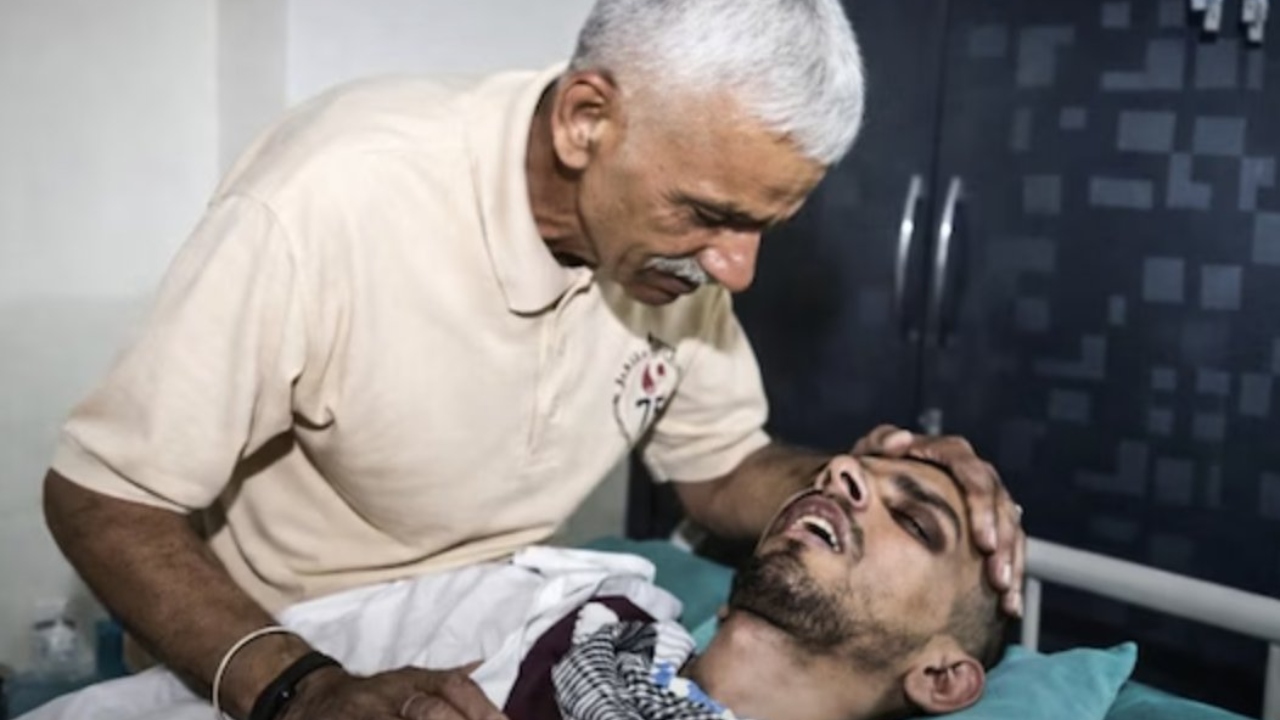

Harish Rana is no longer among us in India, but his last farewell has brought debate on many issues together. These issues are questions related to humanity, law and final decisions of life. After being in critical condition for a long time, he got permission from the Supreme Court to remove life support and in the meantime his family took the courageous decision of organ donation. While this one decision marked the end of one life, it also gave a new beginning to many other lives. Now this case is not just the story of one person, but has become an example of the complex but human relationship between euthanasia and organ donation.
What is the whole matter of Harish Rana?
Harish Rana The case has emerged as a big story of the confluence of humanity, law and medical ethics in India. He remained hospitalized in critical condition for a long time and was finally declared brain dead. After this his family took a very difficult but humane decision – organ donation. This decision was taken at a time when his life was maintained only through medical support. The family rose above the grief and thought that if his death could give new life to many people, then it would be the biggest human contribution.
Is organ donation possible in case of euthanasia?
The law regarding euthanasia in India is very strict and sensitive. Here only passive euthanasia i.e. removal of life support is allowed, while active euthanasia (direct killing) is prohibited. In the case of Harish Rana, the question became important whether organ donation is possible in such cases? The answer is – yes, but with some strict conditions.
- It is mandatory for the patient to be brain dead
- Medical procedure certified by a team of doctors is necessary
- Written consent of the family is mandatory
When did the Supreme Court give permission to remove life support?
On March 11, 2026, the Supreme Court had given permission to remove life support in Harish Rana’s case. This decision was considered an important milestone in India regarding the “Right to Die with Dignity” i.e. the right to die with dignity. This decision not only influenced decisions related to a person’s life, but also set the legal direction for such cases in the future.
How many people can get new life from one person’s organ donation?
According to doctors, one person’s organ donation can save the lives of 7-8 people. In the case of Harish Rana also, it has come to light that many patients got new life through organs like his heart, kidney, liver and eyes, although the official detailed information about this is not public. Provided that these parts of the person’s body are safe and sound. This incident shows that even after death a person can continue to “live” in many lives.
What does the law say?
Organ donation in India is regulated under the Transplantation of Human Organs Act (THOA), 1994. Medical certification of brain death is necessary for organ donation. Family consent is mandatory. A transparent and legal organ transplant process is necessary. A combination of euthanasia and organ donation is possible under the supervision of expert doctors, but completely within the ambit of the law.
What lesson does the story of Harish Rana teach?
Harish Rana’s story is not just the story of a person’s death, but it is an inspiration to give life even after life. It teaches us that the real legacy is not just wealth, but the light left in the lives of others. His decision is going to increase awareness about organ donation in the society. Thousands of patients in India wait for organ transplants – examples like Harish Rana become a ray of hope.
Harish Rana is no longer in this world, but a part of him is still beating in the bodies of many people. His case shows that while euthanasia is an end-of-life decision, organ donation can turn that end into new beginnings.
When did the case come to light against Harish Rana?
The case of Harish Rana began several years ago when, after a serious accident/illness, he went into a coma-like state and remained in a vegetative state for a long time. After being treated and on life support for about 12–13 years, his family moved the court. The matter reached the Supreme Court, where permission to remove life support (passive euthanasia) was given on 11 March 2026. After this the legal process was completed and his life ended. This long case ended with his death, but through organ donation his story became a new beginning.

Comments are closed.