
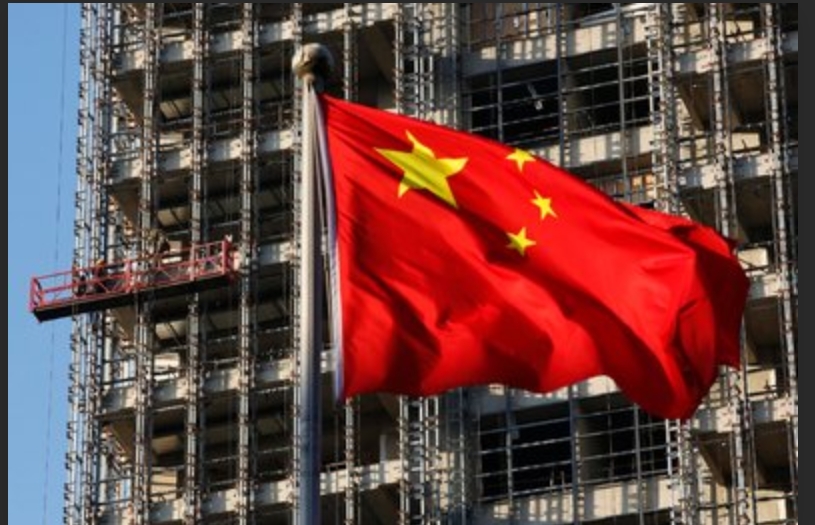

In March 2026, the People’s Bank of China (PBOC) made a rare net liquidity withdrawal of approximately 1.14 trillion yuan (~$157 billion) through open market operations and long-term instruments—the first such net withdrawal in more than a year. This move, combined with China’s underinvestment in US Treasuries ($694.4 billion through January 2026, near a 15-year low) and steadily rising gold reserves ($74.38 million ounces as of end-March, 17–18 months of purchases), signals Beijing’s preparedness for long-term geopolitical and energy instability.
The main reason for this is the ongoing conflict in Iran, which started with the US-Israeli attacks on 28 February 2026. Blockages in the Strait of Hormuz—through which about 20% of global oil trade passes—have caused severe supply shocks. Brent crude spot prices peaked above $120–124 per barrel, although futures prices have recently hovered around $94–100.
This is not a crisis like the classic banking crisis of 2008 (subprime mortgages and $50 trillion of lost assets), but a shock of energy-driven stagflation, reminiscent of the oil crises of the 1970s. Weak economies dependent on oil imports are feeling the impact deeply:
– India: Record ~$12–13 billion outflows by FIIs (foreign institutional investors) in March, rising fuel prices, and a possible decline in economic growth.
– Japan, South Korea, South-East Asia: low fuel reserves (only 20–23 days in some countries), declarations of ‘force majeure’, and emergency measures.
– Europe: De-industrialisation is accelerating due to rising costs of industrial energy.
China’s situation: While China faces rising import costs, it is benefiting from a massive 140% growth in exports of EV (electric vehicles) and hybrid vehicles (exporting a record 349,000 units in March); This is happening because due to high prices of oil, the demand for its alternatives has increased across the world. Its strategic reserves and low dependence on the dollar act as a safety net.
The situation remains volatile, as the ceasefire is fragile and blockades continue. While this is not yet a full-blown recession like the one in 2008, this prolonged oil price volatility risks slowing global growth, increasing inflation, and making the economic recovery process uneven. China appears to be in a better position than many other countries to withstand — and possibly take advantage of — this upheaval.

Comments are closed.