
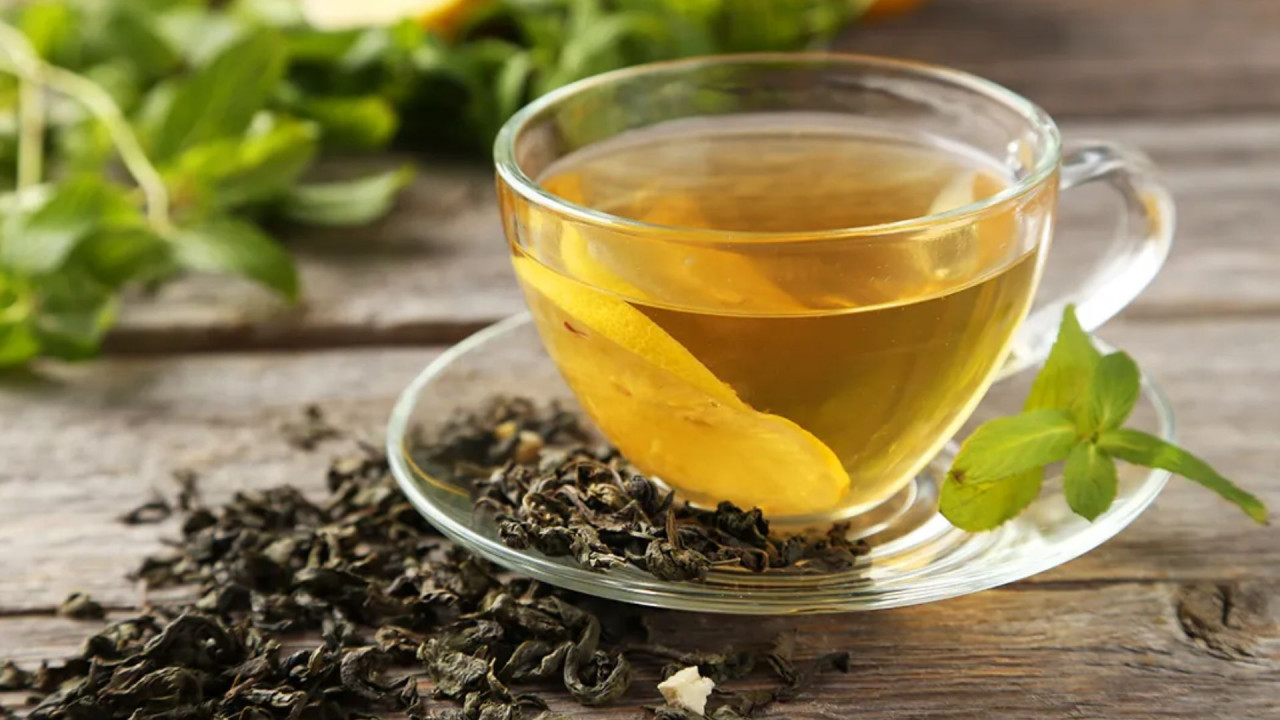

New Delhi: To protect food safety and consumer interests in the country, the Food Safety and Standards Authority of India (FSSAI) has issued important instructions regarding the definition and labeling of tea. The authority has made it clear that now only that beverage can be called ‘Tea’, which is prepared from the leaves of the Camellia sinensis plant. Calling any beverage made from any other plant, herb, flower or mixture ‘tea’ would not only be misleading, but would also be considered legally inappropriate.
real definition of tea
According to FSSAI, traditional tea, be it black, green, white or instant tea, can be prepared only from Camellia sinensis. Geographically identified tea like Kangra tea also comes in this category. If a beverage does not have its source from this plant, calling it ‘tea’ would be misleading and inappropriate. This step has been taken to stop marketing practices that mislead consumers.
Why ban on herbal and flower tea?
Today, herbal tea, detox tea, rooibos tea, flower tea and other infusions are being sold in the market under the name of ‘Tea’. FSSAI says that these products may be healthy, but from a technical and legal point of view they are not tea. Therefore, selling them as ‘tea’ would be considered as sharing wrong information with the consumers.
Strict instructions regarding labeling
FSSAI has given clear instructions to all manufacturers, sellers and importers that only the correct and genuine name of the product should be written on the packet. If the word ‘Tea’ was used on products not made from Camellia sinensis, it would be considered misbranding. Such products will be categorized as ‘proprietary food’ or ‘non-specified food’, as mentioned in the 2017 rules.
Warning to manufacturers and online platforms
FSSAI has directed all including e-commerce platforms and online sellers to immediately stop using the word ‘tea’ on products not made from Camellia sinensis. Legal action will be taken against the violators under the Food Safety and Standards Act, 2006. Food safety officers of states and union territories have also been ordered to increase surveillance.
What this means for consumers
After this decision, products like herbal tea, detox tea and flower tea will remain in the market, but will not be sold in the name of ‘tea’. This will make it clear to consumers whether their cup contains tea made from genuine Camellia sinensis or merely a herbal infusion.
Steps to avoid confusion and error
This step of FSSAI is being considered important towards removing the long-running problem of market-level confusion. This will not only increase transparency in the tea industry, but will also strengthen consumer confidence. Now customers will be able to easily identify whether they are enjoying traditional tea or simply consuming a healthier option.

Comments are closed.