
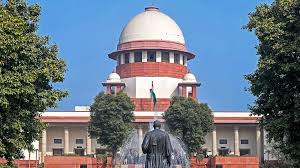
High Court on Religion: My religion is above all. High Court got angry on the priest’s claim, said that calling oneself superior is unconstitutional.

News India Live, Digital Desk: Allahabad High Court has made a very important and strict comment regarding religion and faith in a diverse country like India. The court has made it clear that no person can degrade other religions by calling his religion the ‘only truth’ or ‘best’. Rejecting the argument given by a priest, the court bluntly said that such conduct is against the basic spirit of the Indian Constitution. The court has warned that freedom of expression does not at all mean hurting the faith of others or creating a basis for forced conversion. Constitution is paramount, no place for religious fanaticism. During the hearing of the case, the Honorable Judge remarked that the Constitution of India gives freedom to all citizens to practice and propagate their religion, but this right is not unlimited. The court reprimanded the priest, saying that saying “only my way is true” not only shows arrogance but can also spread disharmony in the society. The court clarified that religious freedom under Article 25 does not include forcibly attracting others towards one’s religion or declaring their faith wrong. What is the whole matter? Why there was a heated debate in the court: This entire controversy started after a prayer meeting and statements made in it, in which derogatory words were allegedly used towards other religions. The accused priest had argued in the court that he was only propagating the teachings of his religion. However, the prosecution presented evidence that under the guise of propaganda, hatred towards other religions was being instilled in the minds of innocent people. The court took these arguments seriously and said that polarization of the society in the name of religion is not acceptable under any circumstances. The court’s big line on conversion and social harmony. Allahabad High Court also underlined in its order that there is a very fine line between religious propaganda and attempts at conversion. If a person claims that salvation or truth is only in his religion, it is indirectly an attempt to mislead the followers of another religion. Legal experts believe that this decision of the High Court will prove to be a precedent in future cases related to conversion. The court has made it clear that religion is a matter of personal belief and not a means of publicly humiliating others.

Comments are closed.