
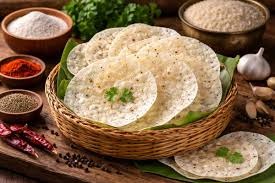
History of Papad: Papad is not just a taste, it is a thousands of years old tradition. Know who invented it and how it reached the plate of every house.

News India Live, Digital Desk: The history of papad in India is as old as our civilization. From ancient times to the global empire of modern ‘Lijjat Papad’, papad has come a long way. According to historical documents and food experts, papad is also mentioned in centuries-old Sanskrit texts.1. Origin and ancient name of papad: The word papad is derived from the Sanskrit ‘Parpat’. Ancient mention: There is mention of ‘Parpat’ in Buddhist and Jain literature (about 2000 years ago), which was made from lentil flour and dried. Importance in Ayurveda: In ancient Ayurveda texts, papad has been described as good for digestion, which is why it is served with heavy food. 2. Who invented it? (The Inventor) The name of any single ‘inventor’ of papad is not recorded in history, as it was a community invention. Household tradition: It was developed by the women of ancient India as a way of preserving grains and pulses for a long time. Regional variation: It was known as ‘Appalam’ in South India, ‘Happala’ in Karnataka and ‘Papad’ in North India.3. Variants of papad in different parts of IndiaEach state of India has its own unique way of making papad and ingredients: Regions Famous papads Main ingredients Rajasthan Marwari papad Moong dal and moth South India Apple Urad dal (without spices) Bihar/UP Potato and rice papad Boiled potatoes and steamed rice Punjab Amritsariya papad Black pepper and lots of spices Kerala papad Urad dal and coconut oil 4. Lijjat Papad: A Revolutionary Turning Point The biggest milestone in the history of papad came in 1959. Beginning of 7 women: 7 ordinary women of Mumbai started making papad with a loan of ₹ 80. Women Empowerment: Today ‘Lijjat’ (Mahila Griha Udyog) is a brand with a turnover of crores, which transformed papad from a household delicacy to an international industry. [1.4, 4.2]5. Traditional method of making papad: The art of making papad is a work of patience: Grinding: Flour is made by finely grinding the pulses. Kneading: Mixing spices and papad khar (Sajji Kshar) in the flour, it is pounded until it becomes flexible. Rolling: Small balls are rolled out very thin. Drying in the sun: Only by drying it in the sun in a natural way, it gets the real crispness.

Comments are closed.