
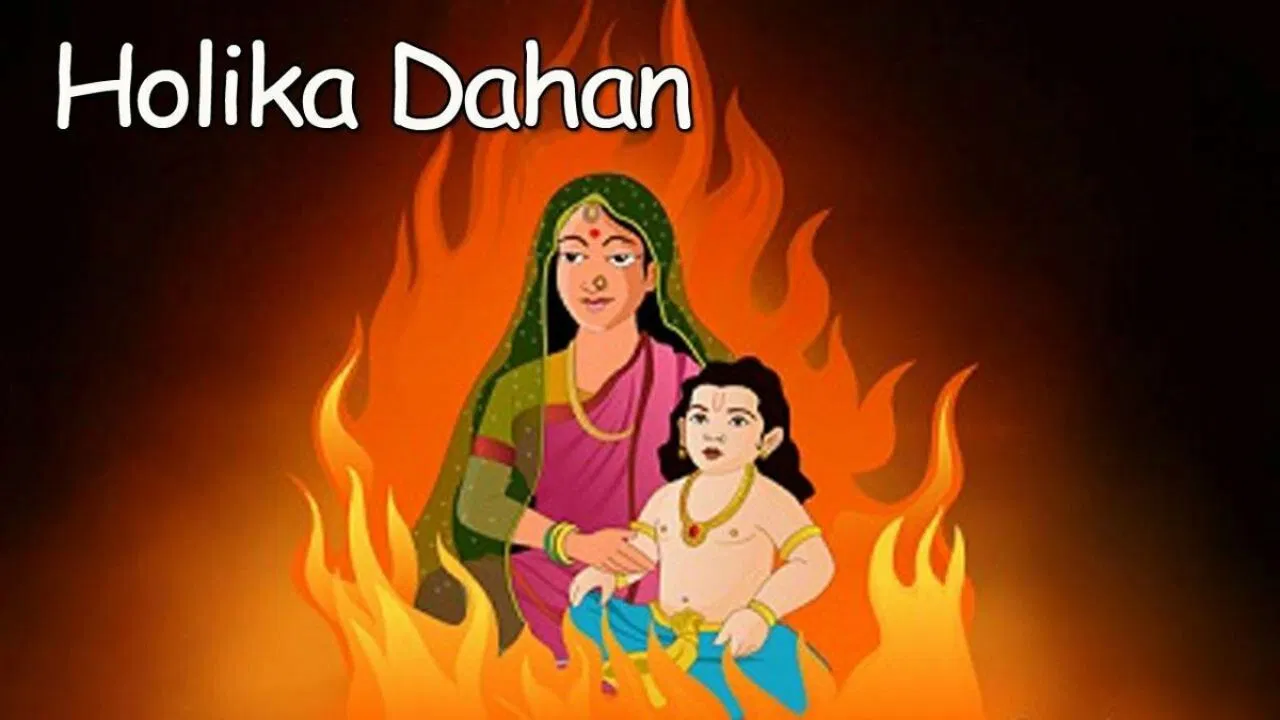

New Delhi: Holika Dahan 2026 marks the beginning of Holi celebrations, bringing together families, friends, and communities in devotion and joy. Known as Chhoti Holi or Holika Deepak, the festival commemorates the triumph of good over evil, symbolised by the burning of the demoness Holika. Central to the celebration is the story of Prahlad, the devoted son of the tyrant King Hiranyakashipu, whose unwavering faith in Lord Vishnu protected him against repeated attempts on his life.
On the eve of Holi, devotees light bonfires, circumambulate the flames, chant sacred mantras, and offer prayers to burn away negativity, ego, and past grievances. Holika Dahan is a celebration of faith, virtue, and spiritual renewal. The flames herald the arrival of spring, invite positivity into homes, and prepare hearts for the colourful festivities of Rangwali Holi. Here is the story behind this ritual and its significance.
Holika Dahan’s story of faith and righteousness
Prahlad and Holika’s legend
The origins of Holika Dahan are steeped in the story of Prahlad and his father, King Hiranyakashipu. Hiranyakashipu, a powerful and arrogant demon king, received a boon that made him virtually invincible. Believing himself supreme, he demanded that everyone worship him alone. However, his son, Prahlad, became a devoted follower of Lord Vishnu, defying his father’s commands. Enraged by Prahlad’s devotion, Hiranyakashipu attempted to kill his son through numerous perilous methods such as throwing him off cliffs, trampling him with elephants, and starving him, but divine intervention always protected Prahlad.
Unable to succeed, Hiranyakashipu turned to his sister, Holika, who possessed a magical cloak that made her immune to fire. She sat in a roaring bonfire with Prahlad on her lap, expecting him to burn while she remained unharmed. Yet, the power of devotion prevailed: the cloak flew from Holika and protected Prahlad instead. Holika was consumed by the fire, while Prahlad emerged unscathed, chanting Lord Vishnu’s name. This story represents the triumph of righteousness over arrogance and evil.
Rituals of Holika Dahan
On the eve of Holi, devotees gather to perform the Holika Dahan ceremony. Sacred mantras are recited as a bonfire is lit in homes or temples. Participants circumambulate the fire three, five, or seven times, carrying vessels of water, which are emptied after the final round. Tilaks are applied on foreheads, and baked or roasted seasonal crops are offered and shared among family members. The ritual symbolises the burning of negativity, ego, and past grievances, leaving space for renewal, happiness, and spiritual cleansing.
Holika Dahan significance and spiritual meaning
Holika Dahan is a reminder that devotion, faith, and virtue will always triumph over malice and arrogance. Prahlad’s unwavering faith inspires devotees to remain steadfast in their beliefs, even when faced with challenges. The festival reinforces moral values, righteousness, and spiritual discipline while promoting harmony and ethical living.
Community and family bonding
Beyond its spiritual significance, Holika Dahan encourages togetherness. Families, neighbours, and communities gather around the bonfire, sharing joy, laughter, and prayers. The festival strengthens social ties and fosters unity, making it a celebration of both faith and familial harmony.
Welcoming spring and new beginnings
Holika Dahan also signals the arrival of spring, a time for renewal, fresh energy, and new beginnings. As flames rise during the ceremony, they symbolise the burning away of the old and the invitation of positivity and hope. The ritual prepares hearts and homes for the colourful festivities of Rangwali Holi the next day, creating a seamless transition from devotion to joy and celebration.
As Holika Dahan flames flicker and rise, they purify the mind, body, and soul, reinforcing faith and virtue while paving the way for the vibrant colours, joy, and togetherness of Holi 2026.

Comments are closed.