
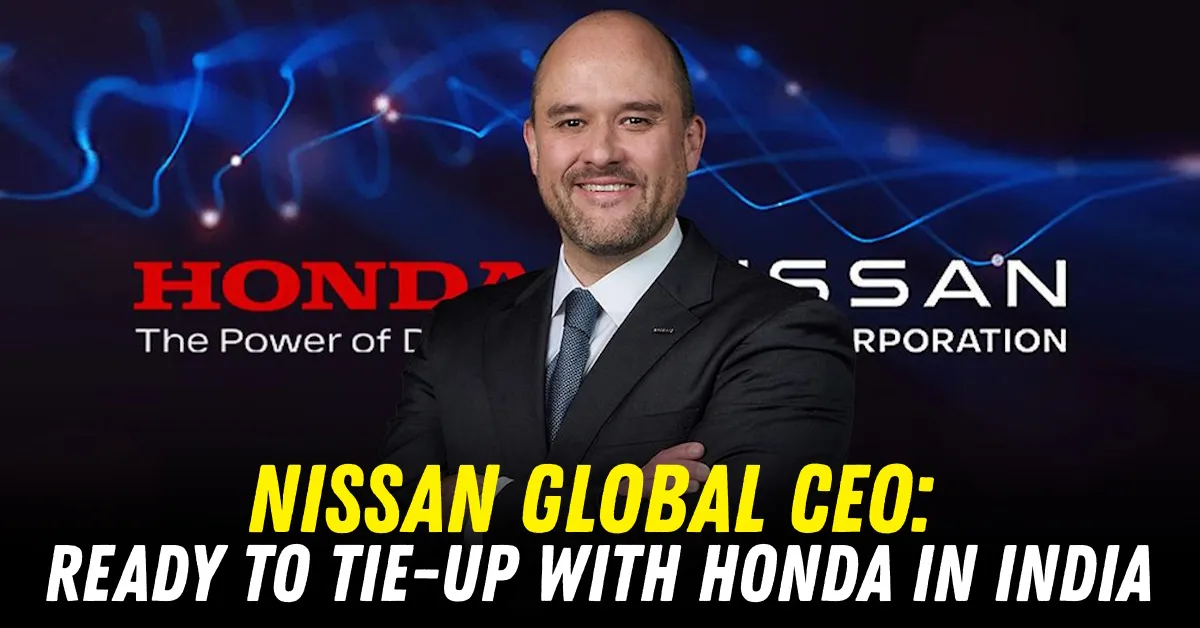

Honda CEO Toshihiro Mibe has said that a planned collaboration with Nissan is “close to announcement,” raising expectations that the two Japanese carmakers may be on the verge of formalising a new partnership after merger talks collapsed earlier in 2025. The update, reported by Nikkei Asia, follows months of what Nissan CEO Ivan Espinosa described as “very constructive and very positive” discussions that were quietly resumed after the original merger plan broke down in February 2025.
The original deal, announced in December 2024, had proposed a full merger under a joint holding company that would have listed on the Tokyo Stock Exchange by August 2026. That plan envisioned a combined group covering Honda, Nissan, and Nissan’s alliance partner Mitsubishi Motors, creating the world’s third-largest automaker by sales volume, behind only Toyota and Volkswagen. The merger talks collapsed after just seven weeks, with the two sides unable to agree on terms including the integration ratio, which essentially determines how much each company is worth relative to the other.
A full merger appears unlikely now, at least in the same form as originally proposed. What Mibe’s comment suggests is that the two companies are working toward a more structured collaboration rather than an outright combination.
The core motivation remains the same: both Honda and Nissan need scale to absorb the enormous costs of developing electric vehicle platforms, autonomous driving systems, and connected car software. These are areas where Chinese manufacturers are moving fast, and where smaller Japanese players face a structural disadvantage competing independently.
Nissan’s financial position has been under sustained pressure. The company went through a painful leadership transition and has been cutting costs across its global operations. Honda, while in a stronger position, understands that the pace of technology investment required in the next decade is difficult to sustain alone. A tie-up, even short of a full merger, could allow both companies to share development spending on batteries, EV platforms, and software without necessarily combining balance sheets.
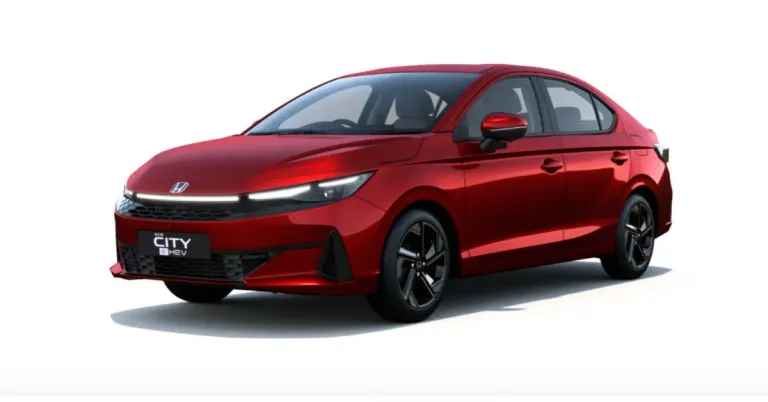
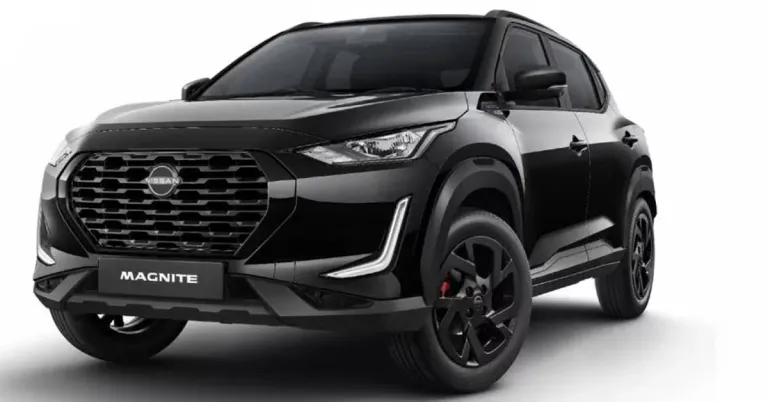
Both Honda and Nissan are active in the market. Honda sells the Elevate SUV, the Amaze, and the City sedan, while Nissan competes with the Magnite compact SUV, which has become the brand’s primary volume driver.
Any partnership at the corporate level in Japan is unlikely to change the product line-up or pricing here in the short term. Platform sharing and technology agreements typically take several years to flow through to actual products sold to consumers.
However, there is a longer-term signal worth watching. If Honda and Nissan deepen their cooperation, the likelihood of shared EV architectures increases. Honda has already committed to bringing electric vehicles here through its jointly developed platform with General Motors globally. If Nissan’s battery and EV expertise, built through years of Leaf and Ariya development, gets folded into that collaboration, the combined product pipeline becomes considerably stronger.
For now, the market is waiting for an official announcement. Mibe’s comment that the tie-up is close suggests the two sides have resolved enough of their earlier differences to move forward, though the precise shape of the deal is still being worked out.
Comments are closed.