
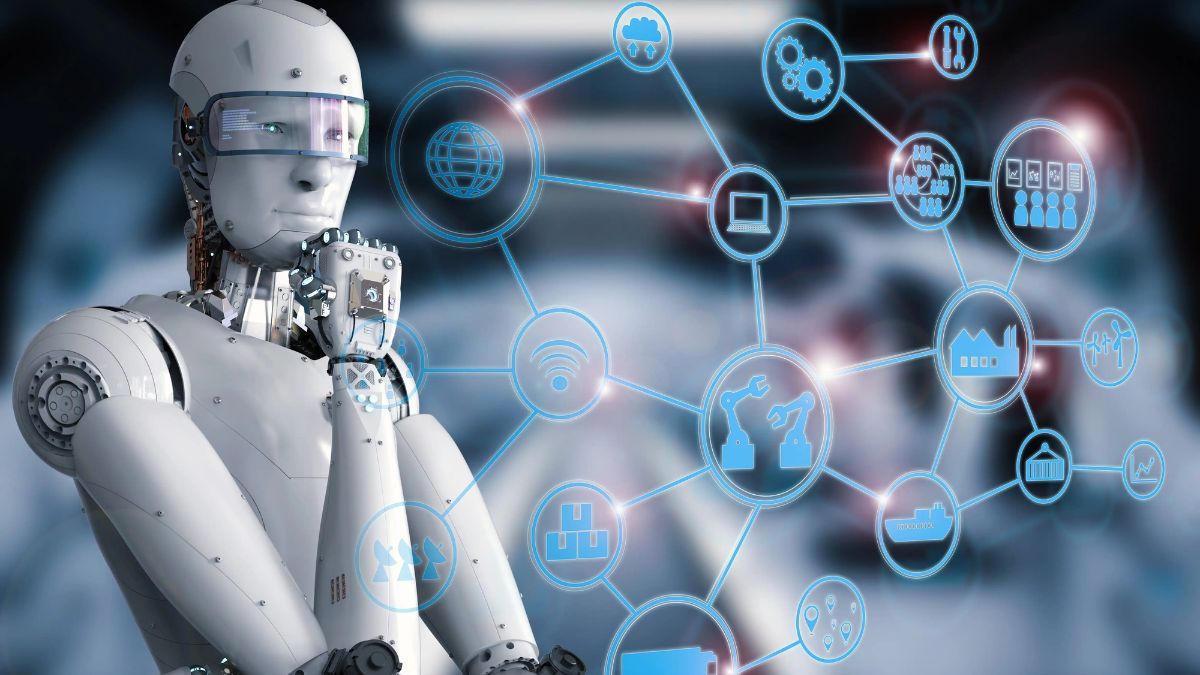

We’ve all heard it: “AI is coming for our jobs.” But is that really the case? Or is the future of work simply evolving with smarter tools by our side? The truth is somewhere in between. AI is changing how we work, what we work on, and even the types of jobs that exist. Whether you’re a business owner, a student, or already deep into your career, knowing how AI will shape the future of jobs is essential. Let’s break it down.
Shifts
First, let’s talk about how the job market is shifting. AI isn’t just about replacing humans—it’s about reshaping roles. In many cases, it’s not that AI takes the job away, but that the job itself changes.
For example, a data analyst might now spend less time on spreadsheets and more time interpreting insights from AI-generated reports. A marketing team could use AI to handle ad targeting while focusing their energy on creativity and strategy.
It’s a shift from manual tasks to more thoughtful, human-centric work.
Automation
Automation is one of the biggest ways AI is influencing the workplace. Repetitive, rule-based tasks are the first to go. Think data entry, customer service chat responses, invoice processing, or appointment scheduling.
Here’s a look at some areas already being automated:
| Job Function | Task AI Can Automate |
|---|---|
| Customer Support | Basic FAQs via chatbots |
| Finance | Invoice scanning & fraud alerts |
| HR | Resume screening & scheduling |
| Manufacturing | Quality checks, packing tasks |
| Retail | Stock monitoring & auto-checkout |
This doesn’t mean those jobs vanish overnight—but they evolve. The human role in these sectors becomes more supervisory, strategic, and creative.
Creation
Here’s the bright side: AI isn’t just eliminating roles—it’s creating them too. As new technologies emerge, new job titles follow. A few years ago, roles like “AI ethicist” or “prompt engineer” didn’t exist.
Future-forward jobs that are growing include:
- AI Trainer (teaching AI how to respond properly)
- Data Annotator
- Machine Learning Engineer
- Automation Consultant
- Robot Coordinator
- Cybersecurity Analyst
These jobs require a mix of soft skills and tech knowledge. You don’t always need to code to work in AI—you just need to understand it and know how to work with it.
Skills
To stay ahead of the curve, you’ll need to upgrade your skills. But don’t panic—you don’t have to become a programmer overnight. The future job market will favor those with:
- Critical thinking
- Creativity
- Emotional intelligence
- Digital literacy
- Adaptability
Sure, tech skills help, especially in areas like data analysis, AI tools, and automation platforms. But what AI can’t replicate easily are uniquely human abilities like empathy, problem-solving, and storytelling. These will be more valuable than ever.
Inequality
One concern with AI in the workplace is the potential to widen the gap between those with access to tech and skills, and those without. Low-income communities, less digitally connected workers, and people in routine jobs may be most at risk.
That’s why education and upskilling are so important. Businesses and governments alike must focus on reskilling the workforce so that everyone can benefit—not just a select few.
Flexibility
Another change AI brings is more flexible work. Remote jobs, gig work, and AI-assisted freelancing platforms are on the rise. Think of writers using AI tools to brainstorm, designers working with generative tools, or virtual assistants powered by AI.
It’s a more fluid work environment, where humans and machines collaborate. You might not have a “9 to 5” anymore—but you might have more freedom and variety.
Leadership
Managers and leaders will also need to adapt. Leading AI-augmented teams means understanding both people and tech. Leaders will need to:
- Integrate AI tools effectively
- Focus on outcomes, not just tasks
- Support ongoing learning
- Make ethical decisions with AI in mind
Leadership in the AI era is less about controlling and more about guiding, coaching, and empowering.
The future of jobs isn’t about humans vs. machines—it’s about humans working with machines. Some jobs will fade, others will transform, and entirely new ones will emerge. The best way to prepare? Stay curious, keep learning, and embrace change. AI isn’t here to replace you—it’s here to work with you. The real winners will be those who learn how to use it wisely.
FAQs
Will AI replace all jobs?
No, it will replace tasks, not entire jobs.
What jobs will AI create?
Roles like AI trainer, data annotator, and AI ethicist.
Do I need to learn coding?
Not always, but digital skills are important.
How can I prepare for AI changes?
Upskill in creativity, problem-solving, and tech literacy.
Will AI increase job inequality?
It might, unless access to training is improved.

Comments are closed.