

Hero MotoCorp’s dedicated electric two-wheeler division, Vida, has officially surpassed the 200,000 retail sales mark in the domestic market. What makes this particular milestone significant is the sheer speed of its recent deliveries.
While the brand took 34 months to reach its first 100,000 buyers, the next 100,000 units were cleared in an incredibly short span of just eight months. Between its market debut in October 2022 and late March 2026, the company has officially recorded retail sales of 202,422 scooters.
A closer look at the historical sales trajectory shows a massive shift in showroom momentum over the last year. During the calendar year 2024, the brand sold 43,709 electric scooters. Total sales skyrocketed throughout 2025 to 109,276 units, representing a 150 percent jump and securing an 8 percent share of the competitive market.
That rapid momentum has only accelerated further in the early months of 2026. From January to March 23 this year, the company has delivered 38,114 scooters. This gives it an 11 percent market share among more than a hundred different electric two-wheeler manufacturers.
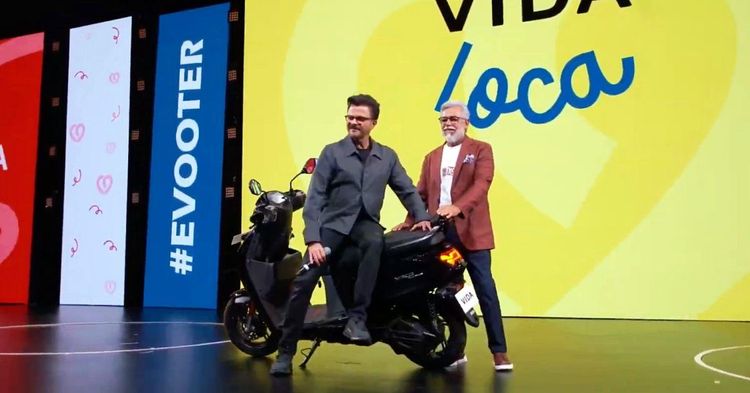
March 2026 will officially be the ninth consecutive month that the brand manages to register retail sales of over 10,000 units. While October 2025 currently holds the record for the highest monthly performance with 16,033 units sold, ongoing retail registrations suggest that March could easily set a new benchmark. This steady and high volume has allowed the company to secure the fourth spot in the overall electric sales rankings, successfully overtaking major rivals and holding that position firmly since late last year.

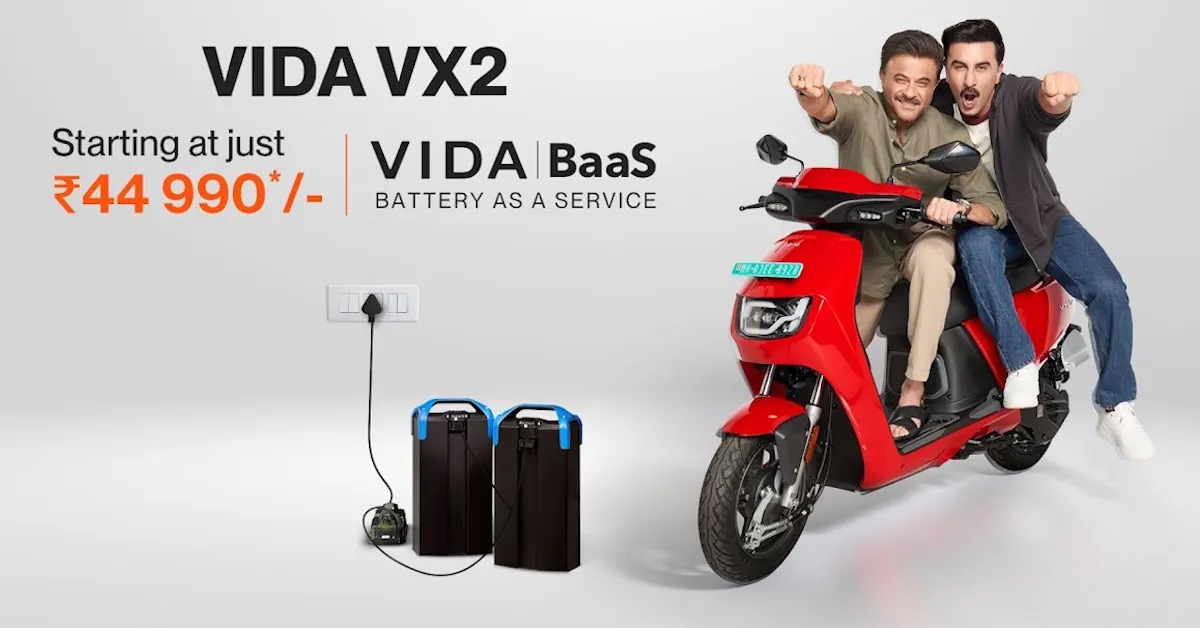
This aggressive surge in showroom footfall is directly tied to the introduction of the Battery as a Service ownership model. By offering the battery on a monthly subscription basis, the company effectively eliminated the single highest upfront cost associated with electric vehicles.
Instead of paying for the expensive battery pack entirely on the day of purchase, buyers simply pay a much lower vehicle acquisition price and sign up for a pay as you go rental plan for the battery power. Other major competitors have since copied this strategic move to drive their own sales.
The impact of this service on the final showroom price is massive. For the base VX2 Go variant equipped with a 2.2 kWh battery, the standard ex showroom price is Rs 74,000. However, when a buyer chooses the battery subscription option, the upfront cost of the scooter drops dramatically to just Rs 44,990. Similarly, the higher spec VX2 Plus model, which typically costs Rs 94,800 ex showroom, becomes available for a highly competitive Rs 70,000. This pricing strategy makes the VX2 series some of the most accessible electric scooters available for budget conscious commuters today.
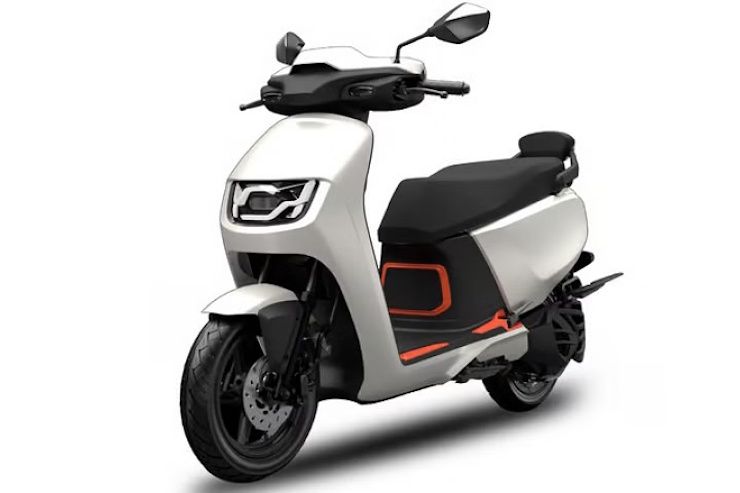
Beyond creative pricing structures, the physical product line-up has seen crucial updates that have helped sustain customer interest. The brand saw an initially slow start with its original V1 line-up, but the launch of the updated V2 series in late 2024 brought necessary improvements to the platform. The subsequent arrival of the heavily budget focused VX2 models in July 2025 is what ultimately turned the brand from a slow seller into a high volume contender on the sales charts.
To support this rapidly expanding customer base, the manufacturer has heavily increased its physical retail presence. The showroom network now covers 415 cities with more than 700 specific dealer touchpoints. Buyers also have access to an established and growing charging ecosystem, as the company allows its scooter owners to plug into over 5,000 charging stations. This specifically includes access to the vast Ather Grid network, taking full advantage of Hero MotoCorp’s early financial investment in Ather Energy to ensure riders are never left stranded without charge.

Comments are closed.