
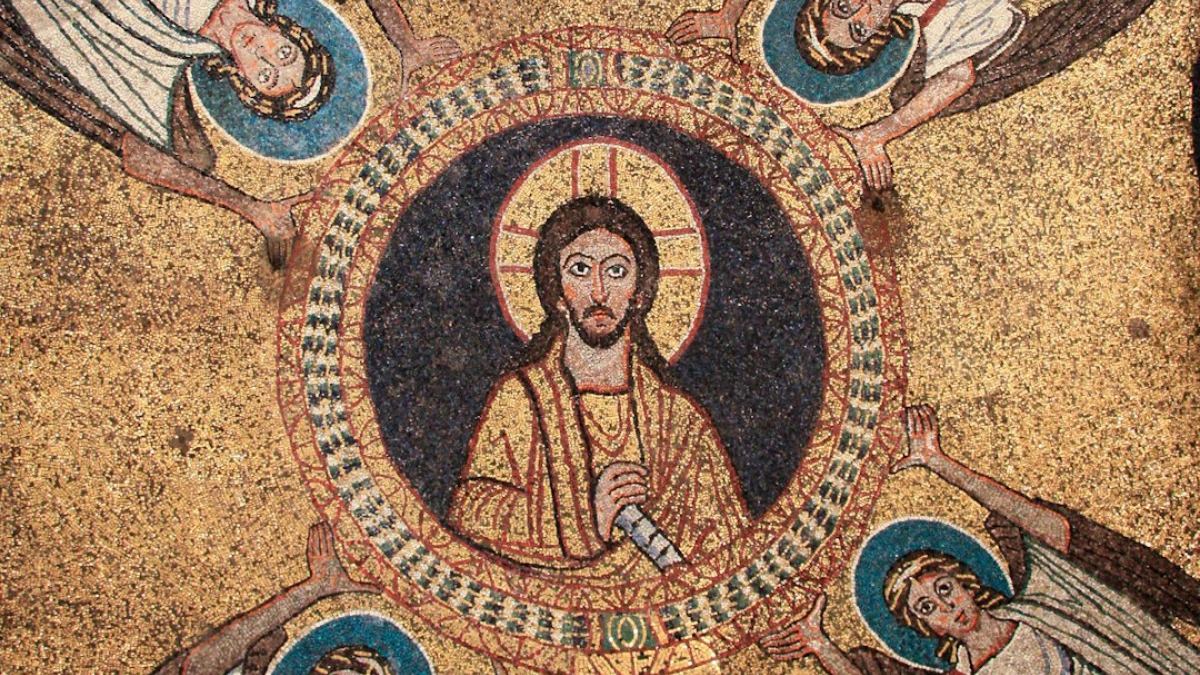

The role of Christianity in shaping modern Christmas celebrations
Christmas is celebrated around the world in many different ways, yet its foundation remains deeply connected to Christianity. While modern Christmas includes cultural and social elements, Christian beliefs have played a central role in shaping the traditions, values and meaning associated with the holiday. Understanding this influence helps explain why Christmas continues to hold both religious and cultural significance today.
The birth of Jesus Christ as the foundation of Christmas
At the heart of Christian belief, Christmas marks the birth of Jesus Christ. According to Christian teachings, Jesus’ birth represents hope, renewal and divine love. This religious foundation gave Christmas its original purpose as a holy observance rather than a seasonal festival.
Early Christian communities focused on commemorating key events in Jesus’ life, and over time, the celebration of his birth became an established part of the Christian calendar. This focus shaped the spiritual meaning of Christmas and influenced how it was observed in churches and homes.
The development of Christian Christmas rituals
Christianity introduced structured rituals that continue to define Christmas celebrations. Church services, including midnight masses and Christmas Day worship, became central to the holiday. These gatherings allowed communities to reflect on the nativity story, often retold through scripture readings, hymns and symbolic displays.
Nativity scenes, depicting the birth of Jesus, became a visual expression of Christian teachings. These scenes are still commonly displayed in churches and homes, reinforcing the religious message of Christmas alongside festive decorations.
Christian values reflected in Christmas traditions
Many modern Christmas traditions reflect core Christian values such as generosity, compassion and humility. The emphasis on giving, helping others and spending time with loved ones aligns closely with Christian teachings about kindness and service.
Acts of charity are particularly associated with the Christmas season. Churches and faith-based organisations often organise food drives, community meals and outreach programmes during this time, reinforcing the connection between Christian belief and social responsibility.
The integration of Christianity with cultural customs
As Christianity spread across different regions, it adapted to local customs rather than replacing them entirely. This approach allowed Christmas to evolve while maintaining its religious meaning. Seasonal symbols such as light, greenery and feasting were reinterpreted through a Christian lens, representing themes of hope and spiritual renewal.
This blending of faith and culture helped Christmas become widely accepted and accessible, contributing to its lasting appeal across diverse communities.
Christianity’s influence on modern Christmas celebrations
Today, Christianity continues to shape how Christmas is celebrated, even in largely secular contexts. Public holidays, family gatherings and seasonal traditions often centre around values rooted in Christian teaching, such as peace, goodwill and togetherness.
While modern Christmas includes commercial and cultural elements, its underlying message remains closely tied to Christianity. The role of Christianity in shaping modern Christmas celebrations highlights how faith has influenced traditions that continue to unite people, offering meaning, reflection and a sense of shared purpose during the festive season.

Comments are closed.