
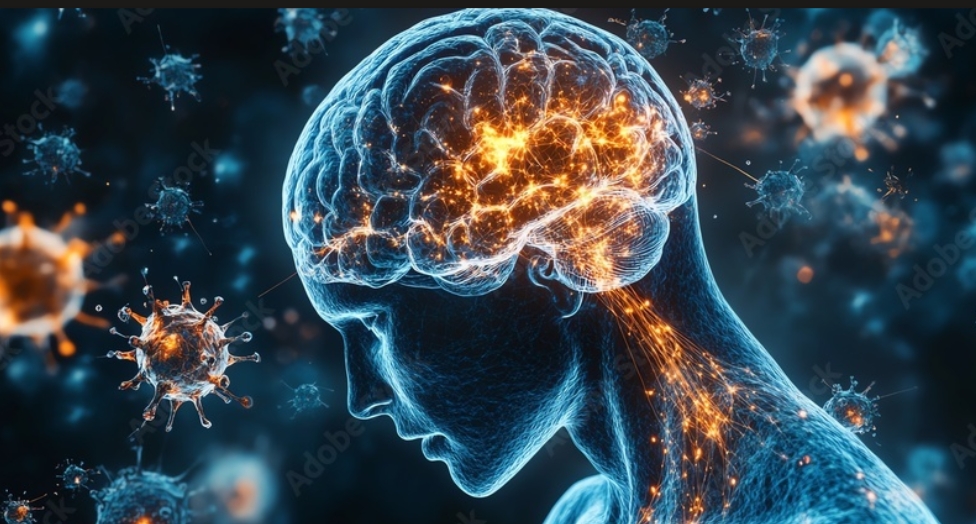

Meningitis is a serious disease in which the membranes covering the brain and spinal cord become inflamed. This inflammation can be caused by infection with bacteria, virus or fungus. If timely treatment is not received, this disease can also prove fatal.
World Health Organization According to the WHO, meningitis is a medical emergency and it is important to start treatment immediately as soon as its symptoms appear.
How dangerous is meningitis?
Meningitis directly affects the brain and nervous system. Reasons for this:
- There may be swelling in the brain
- Memory and thinking ability may be affected
- Hearing may be impaired
- Fainting and coma may occur
- In severe cases there is a risk of death
Main causes of meningitis
- bacterial infection
- viral infection
- fungal infection
- weak immunity
- head or spine injury
- outbreak of ear or sinus infection
Its common symptoms
- severe headache
- high fever
- nuchal rigidity
- vomiting or nausea
- inability to tolerate light from the eyes
- confusion or unconsciousness
- Constant crying and lethargy in children
Which people are at greater risk?
- young children and infants
- elderly people
- patients with weak immunity
- people who live in crowded places
- who already have a serious infection
How is the treatment done?
Treatment of meningitis depends on its cause:
- Antibiotics necessary immediately in bacterial meningitis
- Rest and supportive treatment in viral meningitis
- In serious cases, admission to ICU may be required.
preventive measures
- get vaccinated on time
- take care of cleanliness
- cover mouth when coughing or sneezing
- keep distance from sick person
- keep immunity strong
When to consult a doctor immediately?
- Stiff neck with high fever
- severe headache and vomiting
- fainting or trouble speaking
- Lethargy or constant crying in the child
Meningitis is not a common disease. It directly affects the brain and spinal cord and can be fatal if not treated on time. It is dangerous to ignore its symptoms. Early identification and proper treatment can save the patient’s life.

Comments are closed.