

How endless short-video scrolling is fueling ‘brain rot’ and disrupting young people’s lives

“When I’m in a bad mood, I automatically scroll even more,” he says.
He describes the experience as slipping into a trance. “The longer I watch, the more drained and mentally empty I feel. But just minutes after putting my phone down, I instinctively pick it up again.”
For many, the habit has crept into their private lives and disrupts their sleep. Sang, 28, a communications specialist, likes to reward himself with 15-20 minutes of scrolling his phone before bed to unwind after a workday, but becomes absorbed in sensational drama and exposé videos.
“I tell myself I will watch just a few clips, but when I check the time, it is already 2 or 3 a.m.,” he says.
On nights when he scrolls through his phone, he often struggles to sleep and finds himself thinking about the content he has just watched. The following morning, not surprisingly, he feels tired, forgetful, and enervated.
A user watches short videos on TikTok. Photo by Read/Luu Quy |
The term “brain rot,” commonly used to describe the mental fog associated with excessive short-video consumption, has moved beyond internet slang and become a growing mental health concern.
According to global digital analytics platform DataReportalVietnam had around 67.72 million TikTok users aged 18 and above as of early 2024, making it one of the platform’s largest markets in Southeast Asia.
Research by the Max Planck Institute for Human Development in Germany found that the rapid growth of digital content is reducing attention spans and encouraging people to seek constant stimulation. The trend has intensified over the years as platforms compete for user engagement.
Meta, the parent company of Facebook and Instagram, reports that Reels accounts for more than 20% of time spent on Instagram. YouTube Shorts generates tens of billions of views daily.
Clinical psychologist Vuong Nguyen Toan Thien, professional director of Lumos Psychological Counseling and Therapy Center, says the cognitive fatigue is linked to the way short-video platforms distribute content. He says cognitive fatigue occurs when the brain is required to process a constant stream of information and switch rapidly between different topics.
The overload can temporarily weaken executive functions in the prefrontal cortex, the region responsible for planning and impulse control, he explains. Recommendation algorithms powered by artificial intelligence function similarly to slot machines, delivering unpredictable rewards that encourage users to keep scrolling.
Thien says this mechanism generates large amounts of instant dopamine, unlike the more gradual dopamine response associated with achieving long-term goals.
Over time, excessive short-video consumption may reduce people’s ability to engage in deep thinking and sustain attention. The brain eventually adapts to repeated exposure to brief stimuli, making activities that require prolonged concentration, such as reading or report writing, more difficult, he says.
“When interactions take place mainly through screens, people have fewer opportunities to practice deep listening and interpreting nonverbal cues in real life.”
Blue light from smartphone screens can also suppress melatonin production and delay REM sleep, the stage associated with memory consolidation and emotional processing, and people may wake up feeling tired despite getting sufficient sleep.
Prolonged screen use can trigger the release of cortisol, the body’s primary stress hormone. Persistently elevated cortisol levels have been linked to a weakened immune system, chronic inflammation, anxiety, and depression.
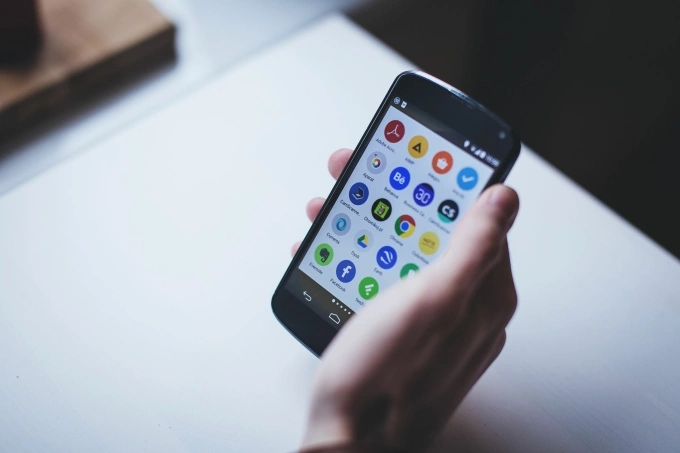 |
Although smartphones have become difficult to avoid in modern life, experts say the brain is capable of recovery. Photo by Pexels |
Some young people have begun changing their habits to reduce their dependence on short-form content. After repeatedly deleting and reinstalling apps, Thang decided to make more permanent changes.
He replaced screen time with outdoor physical activities and took up sports, which help the body naturally produce dopamine and improve nervous system function. On weekends, he goes trekking and spends time in nature.
“Your daily habits shape your life,” he says. “Don’t grow old with regrets because you sacrificed your healthiest years to endless, aimless scrolling.”
Psychologists urge users to monitor signs that technology may be affecting daily functioning, including spending more time online than intended, feeling restless without a phone, procrastinating or experiencing sleep disruption.
“The good news is that the brain has a remarkable capacity to adapt and recover through practical digital detox methods,” Thien says.
Rather than abandoning technology entirely, he recommends turning off unnecessary notifications, setting app time limits and avoiding screens before bedtime. Activities such as reading printed books, writing by hand, exercising, and allowing periods of boredom can help restore attention and support cognitive recover, he adds.
Comments are closed.