
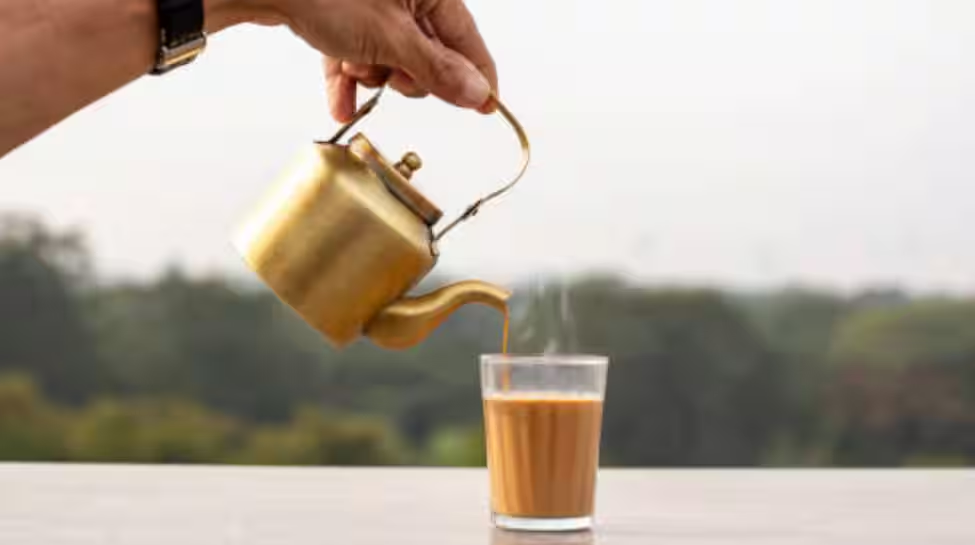

Tea time is one of India’s most loved rituals – a pause in the day that brings comfort, conversation, and a quick burst of energy. But this simple daily habit is becoming a silent contributor to the country’s growing diabetes burden.
Dr Pranav Ghody, Consultant Endocrinologist & Diabetologist, Wockhardt Hospitals shares how India’s love for tea-time treats is raising diabetes risk.
The real issue lies in what comes with that cup of chai
Add Zee News as a Preferred Source
Most tea-time snacks are a combination of refined flour, sugar, salt, and unhealthy fats. Biscuits, rusks, namkeens, samosas, pakoras, and other common favorites trigger sharp spikes in blood sugar. Even biscuits marketed as “light” or “healthy” are usually made from refined carbs and contain hidden sugars. These spikes demand repeated insulin release from the pancreas, eventually pushing the body toward insulin resistance.
The tea isn’t innocent either
A single cutting chai contains around two teaspoons of sugar. Many people drink multiple cups a day, consuming 6–8 teaspoons of sugar just through tea — far more than the recommended limit. Once either sweet biscuits or salty mixes are added, the total metabolic load becomes much greater than what the body can handle on a routine basis.
A cultural routine becoming a metabolic challenge
What has emerged as a daily routine for most is no longer an intermittent delight: tea-time snacks. Eating refined carbohydrates at exactly the same time every day produces a predictable pattern of blood sugar spikes. Over months and years, this practice becomes one of the earliest drivers of prediabetes in genetically susceptible individuals.
Why does this pattern contribute so strongly to India’s diabetes surge?
Several factors overlap: Genetic predisposition: Indians naturally have a higher insulin resistance and lower muscle mass, making the body more sensitive to sugar spikes. Sedentary lifestyle: Tea breaks often come amid hours of sitting that make the body inefficient in utilizing circulating glucose.
Underestimating “small snacks”: A single biscuit or a handful of namkeen may look harmless, but these foods are calorie-dense and sugar-heavy.
Together, these elements convert a comforting routine into a risk factor for metabolic disease.
Practical changes can reduce the risk without giving up tea.
-Use non sugar sweeteners such as stevia instead of sugar initially and then gradually reduce dose and stop them all together.
-Replace biscuits and fried snacks with nuts, roasted chana, sprouts, fruit, or homemade options.
-Avoid eating mechanically while working — mindful eating helps prevent overconsumption.
-People with prediabetes or a family history of diabetes should restrict tea intake to once a day or explore herbal teas.
(This article is meant for informational purposes only and must not be considered a substitute for advice provided by qualified medical professionals. Always seek the advice of your doctor with any questions about a medical condition.)

Comments are closed.