

From September 2024 to April 2026, 49 players were disciplined with penalties ranging from reprimands to permanent bans and even prison sentences. Never before has a traditional intellectual sport faced such a brutal and widespread purge.
The biggest shock was in the list. From “Xiangqi King” Wang Tianyi to grandmasters Zhao Xinxin, Zheng Weitong, Wang Yang, Hong Zhi, Xie Jing, Xu Chao and recently Jiang Chuan, these figures have dominated the xiangqi world for nearly two decades.
Among these names, Wang Tianyi, Zheng Weitong, Zhao Xinxin and Jiang Chuan were widely considered the modern symbols of professional achievement in Chinese chess.
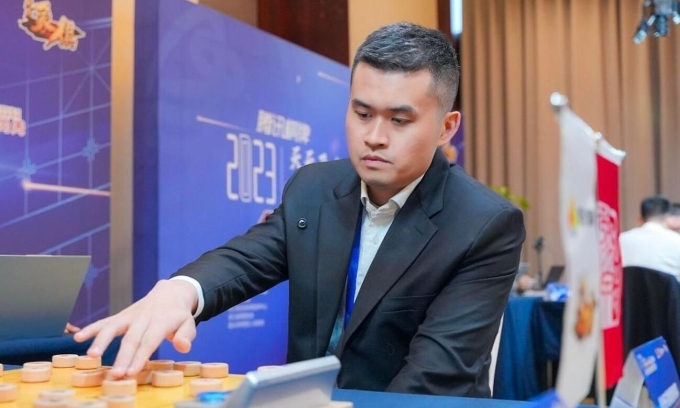
Wang Tianyi was considered one of the top xiangqi players in China. Photo taken from Baidu |
In the latest round of disciplinary action on April 13, 2026, former national number one Jiang Chuan was banned from competing for five years. Three other top players, Hong Zhi, Xie Jing, and Xu Chao, received lifetime bans, according to Nikkei Asia.
Prior to this, rounds of disciplinary action in 2024 and 2025 targeted 43 other players. The sheer volume of 49 disciplined individuals demonstrates the scale of this systemic scandal.
Investigations revealed that players colluded to fix match results through bribery for over a decade. Some paid opponents to lose to improve their rankings, while others accepted money to intentionally lose.
This corruption even happened at the most prestigious tournaments, like the national championship. A leaked audio recording from April 2023 discussing match-fixing arrangements ultimately triggered the crisis, according to Chess.com.
The primary motives driving the players were money and fame. A player’s ranking is directly linked to prize money, advertising and livestreaming revenues. While a national team champion might receive around 150,000 yuan (US$22,000), that amount drops to less than 40,000 yuan when divided among the team.
Professional players outside the top tier often earn below 100,000 yuan annually, forming a vicious cycle where chess players use money to buy rankings. Wang Tianyi alone is accused of spending a whopping 940,000 yuan to secure his ranking as the number one player in the country, China Daily reported.
Over time, match-fixing became an unwritten rule among certain groups of players. These transactions were gradually accepted as a necessary means of survival in a fiercely competitive environment where oversight was limited and relied heavily on manual observation.
The reaction from the Chinese chess community highlights divisions. A commentator on Baidu lamented that the purity of the thousand-year-old game faces its greatest challenge with price tags.
Another fan expressed absolute shock, noting that the unwritten rules of chess have finally been completely exposed.
“These 49 people will have to pay for their action,” they wrote.
Some opinions are even more scathing. One user on Zhihu argued that top players who actively violated the rules for over a decade cannot be considered innocent victims. This user criticized the double standards of public opinion for sympathizing with some corrupt players while harshly judging others.
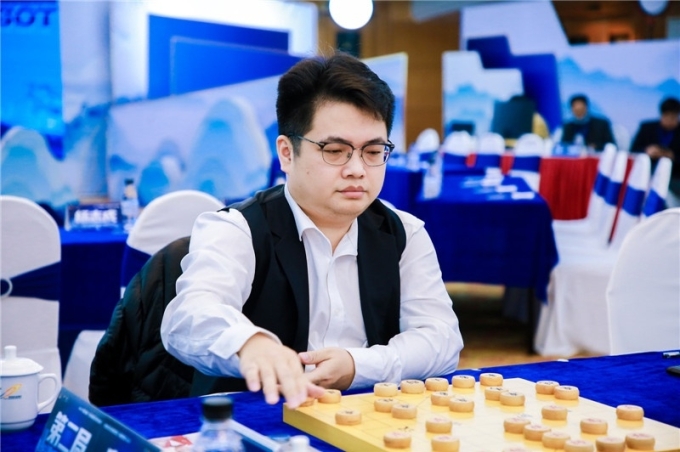 |
Top Chinese chess player Jiang Chuan. Photo taken from Baidu |
Intense debate also continues to revolve around the role of the whistleblowers, such as Dang Fei and Hong Zhi. Some fans criticize these whistleblowers for not being entirely clean themselves, given the punishments they received. However, others fiercely defend them by arguing that if people expect whistleblowers to be perfect, no one would ever dare to speak up.
Despite the ongoing debates, the vast majority agrees that this massive purge is necessary. The penalties are not limited to competition bans, as they also include criminal prosecution.
Wang Tianyi was sentenced to two years and nine months in prison, while Zhao Xinxin received a sentence of four years and nine months.
The immediate consequences are considerable. The sudden absence of many star players has drastically diminished the appeal of the sport. A recent survey showed that 62% of viewers felt the national championship was significantly less exciting without the big names. Livestreaming platforms have also experienced a steep decline in viewership.
“We used to think this was a golden generation, but looking back now, it was a dark generation,” one fan wrote on Zhihu.
Comments are closed.