
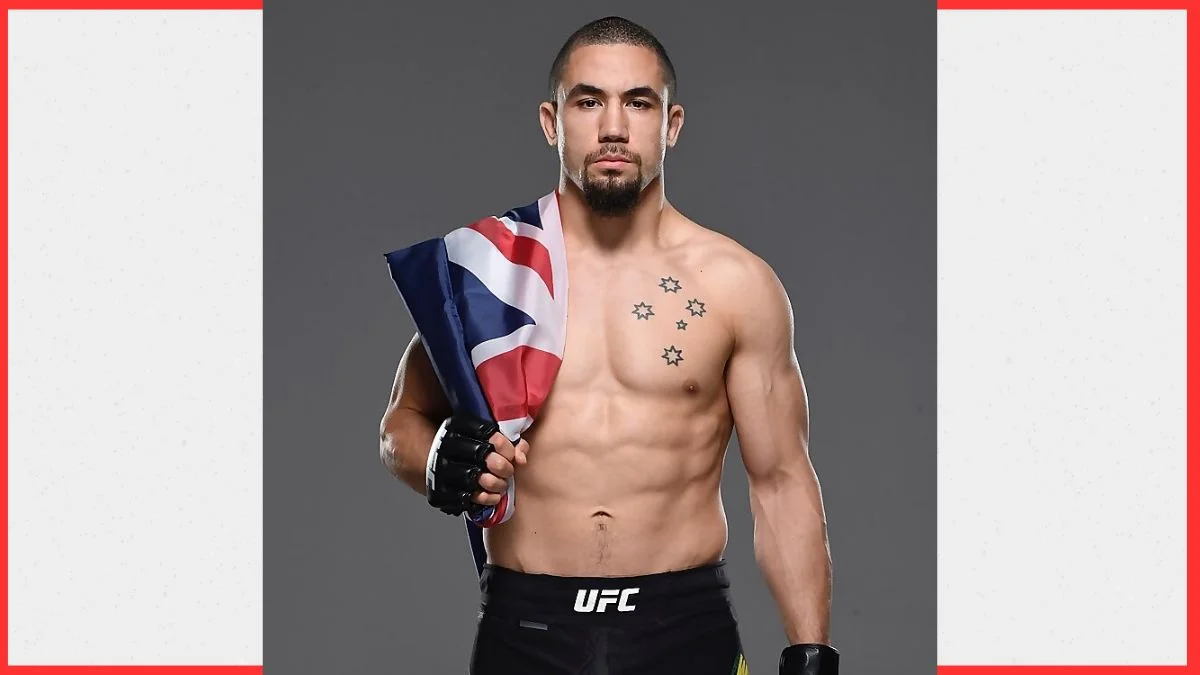
How Robert Whittaker Turns Championship-Level MMA Success Into Sustainable Income Streams in the U.S. Market

Robert Whittaker is widely recognized in the United States as a former UFC middleweight champion and one of the most technically respected mixed martial artists of the modern era. From a business journalism perspective, his income profile is best understood as a diversified, performance-driven model rooted in elite athletic competition rather than influencer-style hype. This article focuses strictly on verifiable, industry-standard revenue channels tied to his professional MMA career and related commercial activities.
Core Revenue Engine: UFC Fight Compensation
Guaranteed Fight Purses and Win Bonuses
Whittaker’s primary source of income has consistently been his UFC fight contracts. UFC athletes at championship and top-contender levels typically earn a disclosed base purse plus a win bonus of equal value. During his championship tenure and subsequent main-event bouts, Whittaker competed in high-profile pay-per-view and Fight Night headliners, positioning him within the UFC’s upper compensation tier. While the UFC does not publicly disclose exact figures per bout, industry reporting confirms that elite middleweights command significantly higher guaranteed purses than undercard fighters, often supplemented by discretionary bonuses.
Performance and “Fight of the Night” Bonuses
A measurable contributor to Whittaker’s income has been UFC performance bonuses. The promotion awards $50,000 bonuses for categories such as “Fight of the Night” and “Performance of the Night.” Whittaker has earned multiple such bonuses over his career, directly tying technical excellence and fan engagement to incremental income.
Pay-Per-View Participation and Brand Value
Although the UFC does not operate on a traditional revenue-share model for most fighters, champions and headliners benefit indirectly from pay-per-view exposure. Whittaker’s championship bouts and contender fights elevated his brand visibility in the U.S. market, strengthening his leverage in contract negotiations and sponsorship discussions. This visibility functions as a multiplier rather than a standalone revenue stream.
Sponsorships and Endorsement Income
Athlete Sponsorship Deals
Whittaker has historically partnered with established sports and lifestyle brands aligned with MMA audiences. Unlike social-media-first influencers, his sponsorship value is anchored in competitive credibility, broadcast exposure, and long-term fan trust. These endorsement agreements typically include fixed annual payments and appearance-based incentives, forming a stable secondary income stream.
UFC Apparel Program Revenue
Through the UFC’s official outfitting program, fighters receive standardized payments based on tenure and ranking. As a long-tenured, top-ranked middleweight, Whittaker qualifies for higher-tier payouts compared to newer roster athletes. While not a dominant revenue source, this income is consistent and contractually predictable.
Digital Content and Media Monetization
In recent years, Whittaker has expanded into podcasting and long-form digital content, particularly through platforms like YouTube. His content strategy focuses on fight analysis, training insights, and professional commentary—formats that monetize via advertising revenue, sponsorship integrations, and platform-based creator programs. This channel represents a scalable, post-competition income path rather than a replacement for fight earnings.
Long-Term Financial Model: Career Longevity and Brand Stability
From a U.S.-centric business standpoint, Robert Whittaker exemplifies a sustainability-focused MMA income model. His earnings are primarily driven by regulated athletic contracts, performance-based bonuses, and credibility-led sponsorships rather than volatile influencer trends. This structure provides income stability during peak competition years while laying groundwork for media and analytical roles in the post-fighting phase.
In summary, Whittaker’s financial success is built on elite performance, disciplined brand management, and selective diversification—an approach increasingly valued in the American combat sports economy.

Comments are closed.