
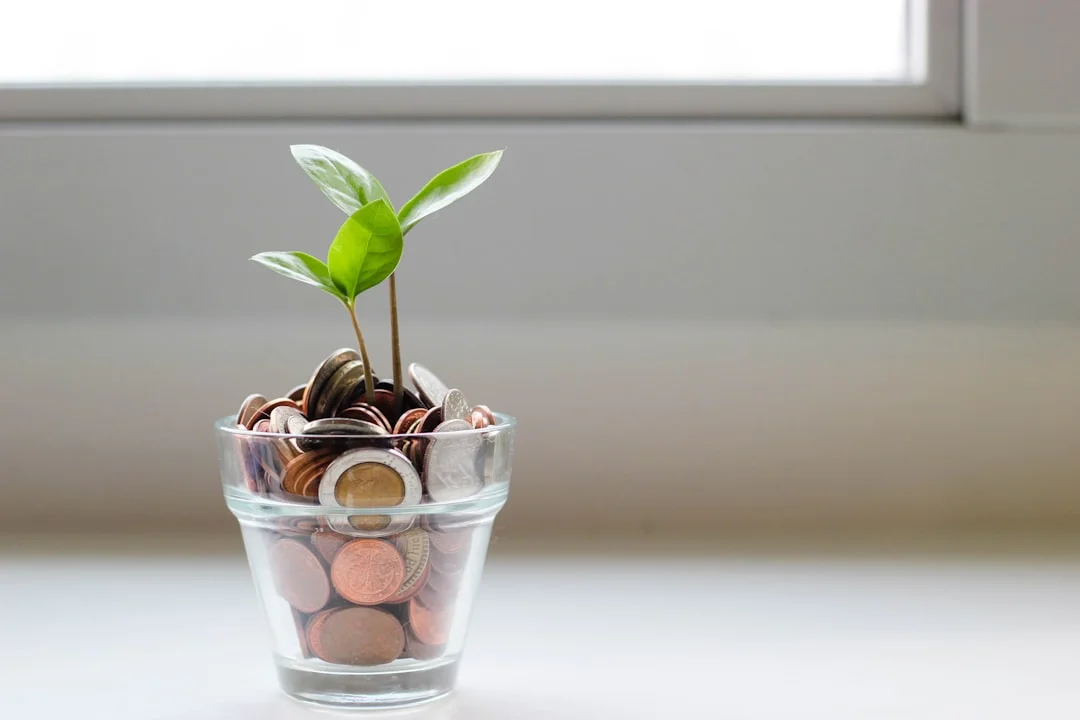

Financial awareness is steadily increasing as households look for practical ways to manage everyday expenses while building long-term savings. Recent consumer behaviour insights from the Consumer Financial Protection Bureau and trend observations linked to the Federal Reserve System suggest that consistent daily habits are becoming one of the most effective strategies for improving personal financial stability.
Rather than relying on complex investment strategies, many individuals are adopting simple daily routines that gradually strengthen savings without disrupting their lifestyle.
Tracking daily spending to improve money awareness
One of the most widely recommended habits is tracking daily spending. Financial educators note that small purchases—such as takeaway coffee, online micro-transactions or impulse buys—often go unnoticed but accumulate significantly over time.
Using digital tools or simple expense journals allows individuals to identify patterns and adjust behaviour accordingly. Mobile banking applications and automated alerts are also helping users stay aware of their daily financial activity.
Experts explain that awareness is the foundation of saving because it enables better decision-making without requiring drastic lifestyle changes.
Automating savings for consistent financial growth
Automatic savings transfers are increasingly being recognised as one of the most effective daily financial habits. Many banks now allow users to schedule recurring transfers from their primary account to a savings account.
This “pay yourself first” approach ensures that saving becomes a routine rather than an occasional action. Financial planners highlight that even small automatic transfers can build strong financial discipline over time.
Automatic rounding features—where purchases are rounded up and the difference is saved—are also becoming popular among young professionals and students.
Choosing mindful spending over impulse purchases
Another daily habit gaining attention is mindful spending. Instead of eliminating purchases entirely, individuals are encouraged to pause briefly before making non-essential purchases.
Simple practices include:
Waiting 24 hours before buying non-essential items
Comparing prices before checkout
Setting daily or weekly spending limits
These habits help people prioritise value-based spending while maintaining flexibility.
Retail trend analysts note that digital shopping tools and price comparison platforms are making it easier for consumers to adopt smarter purchasing decisions.
Small lifestyle adjustments that support long-term savings
Financial experts emphasise that saving money does not always require major sacrifices. Small lifestyle adjustments can significantly reduce everyday costs while improving financial consistency.
Examples include:
Preparing meals at home more frequently
Using public transport or carpooling when possible
Reviewing daily subscription usage
Using loyalty and cashback programmes
Such habits are easy to maintain and often produce visible financial improvements within a few months.
Daily financial habits shaping modern money management
As financial literacy continues to grow, daily money habits are becoming central to modern personal finance strategies. Analysts note that consistent micro-saving behaviours are helping individuals build stronger financial foundations without relying on complex budgeting systems.
With digital tools improving accessibility and awareness, simple daily financial habits are expected to remain an essential part of long-term saving strategies across households and young professionals.

Comments are closed.