

She says it serves as her fuel for creativity. But after six months there have been apparent side effects: duller skin, cystic acne around the chin and a waistline that has grown by 5 cm, making her clothes tighter.
Quoc Trung, 28, a software developer in HCMC, also relies on bubble tea to get through long hours of coding. His craving for sweetness is so intense that he becomes restless, experiences mild tremors in his hands and feet, and struggles to concentrate if he is unable to get his fix.
Despite playing football weekly, a recent health check showed his blood sugar had reached the prediabetes level.
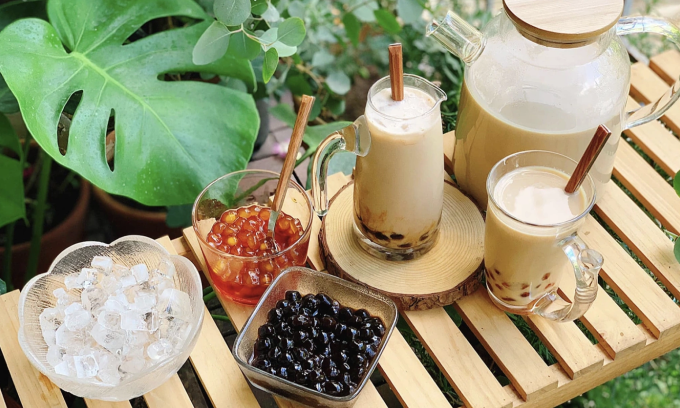
Bubble tea is popular among Vietnamese youths, especially office workers. Photo by Read/Hue Chip |
Anh and Trung represent a generation of office workers that has fallen prey to bubble tea, a drink that appears harmless but is quietly undermining public health.
Doctor and health coach Phan Thai Tan in HCMC says afternoon cravings are the result of biological responses reinforced by unhealthy habits and a lack of willpower.
He says the problem often starts with lunch. Many office meals are high in fast-absorbed carbohydrates such as white rice, vermicelli and pho, which make blood sugar rise quickly after eating and then drop sharply around 2-3 p.m. This decline, combined with circadian rhythms and work stress, triggers the brain’s demand for quick dopamine from sugar.
But resorting to bubble tea in response to that craving is a costly choice, he warns.
A cup with an assortment of toppings can contain up to 1,000 kcal, equivalent to two main meals, but with little nutritional value. It mainly consists of refined sugar, trans fat-rich creamer, artificial coloring, and high fructose corn syrup, which is considered more harmful than cane sugar.
A 2019 Harvard University study found people who drank more than 355 ml of sugary beverages daily faced a 21% higher risk of early death than those who consumed less than one cup a month.
Large amounts of liquid sugar cause a sharp spike in blood sugar, followed by a rapid drop as insulin works harder. Over time the body can develop insulin resistance, which increases the risks of abdominal obesity and fatty liver disease, according to the American Diabetes Association.
A 2015 study published in the Dutch medical journal Metabolism found HFCS raises blood fat levels and accelerates fatty liver development faster than cane sugar.
Drinking bubble tea in the afternoon can also disrupt sleep, Tan says.
Consuming caffeine and sugar after 2 p.m. affects a person’s rest at night, leading to fatigue and more intense sugar cravings the next day. Over time their taste preferences will favor rich and sweet flavors, making natural foods less appealing and lifestyle changes harder to sustain.
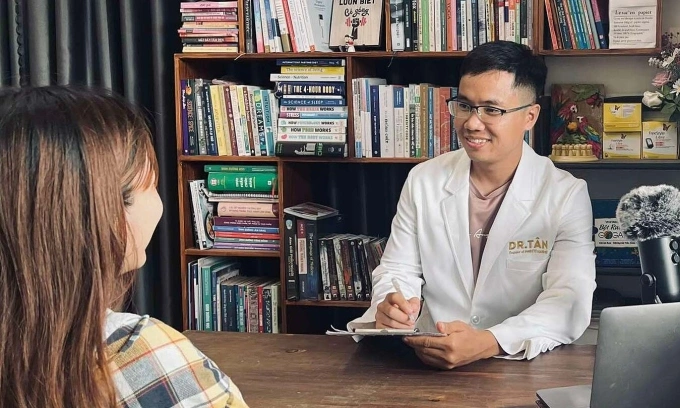 |
Dr. Phan Thai Tan consults a patient. Photo courtesy of Tan |
Tan says breaking the cycle does not require complete abstinence, which often intensifies cravings. Instead, choosing slow-absorbing carbohydrates such as brown rice, sweet potatoes and beans, along with protein and vegetables, for lunch helps stabilize blood sugar and reduce afternoon crashes.
He also recommends staying physically active, standing up and moving regularly, and taking mental breaks to maintain focus without relying on sugar-driven stimulation.
When afternoon cravings arise, he suggests drinking warm herbal teas such as ginger, cinnamon, chamomile, or lightly brewed unsweetened green tea.
He also advises snacking on foods with protein or healthy fats, including boiled eggs, roasted nuts, unsweetened yogurt, or low-sugar fruits like apples and guava.
Tan says unsweetened yogurt mixed with honey or naturally ripe fruit can curb stronger sweet cravings if consumed in moderation.

Comments are closed.