
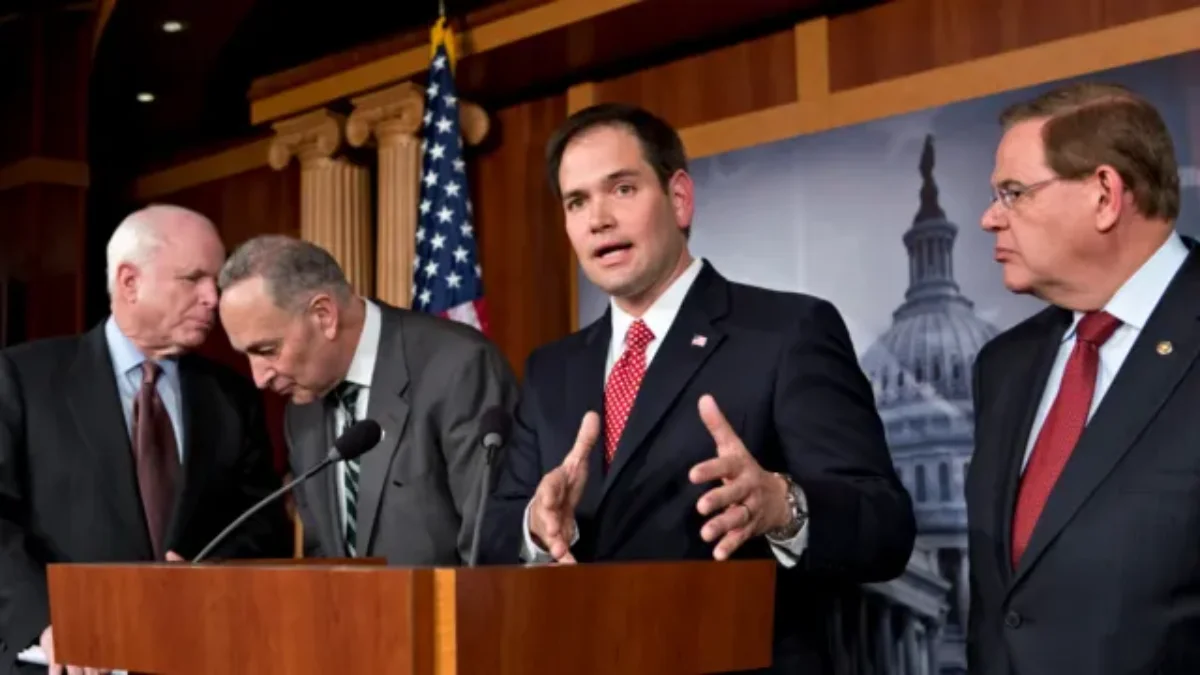

The “Gang of Eight” is a select bipartisan group of congressional leaders authorized under federal law to receive the nation’s most closely guarded intelligence briefings. The mechanism is designed to reconcile two competing imperatives: Congress’s constitutional duty to oversee the executive branch and the intelligence community’s need to protect highly sensitive information. The framework for the Gang of Eight is rooted in the National Security Act of 1947, as amended. The law permits the president to limit notification of covert actions to a small group of lawmakers when broader disclosure could risk national security. Specifically, the Gang of Eight includes the Speaker of the House, the House minority leader, the Senate majority leader, the Senate minority leader, and the chairs and ranking members of the House and Senate intelligence committees.
Legal foundation and purpose
Under federal statute, the executive branch must keep Congress “fully and currently informed” of intelligence activities, including covert operations. However, in extraordinary circumstances, the president may restrict briefings to the Gang of Eight to prevent leaks or operational compromise. This exception recognizes that certain missions, such as counterterrorism raids, cyber operations, or clandestine intelligence collection, require strict confidentiality. The arrangement seeks to maintain constitutional checks and balances. While the president, as commander in chief, directs national security operations, Congress retains oversight authority, budgetary control, and the power to legislate intelligence reforms. By briefing the Gang of Eight, the executive branch fulfills its legal obligation while limiting exposure of sensitive details.
Role in high stakes decisions
Historically, presidents from both parties have used Gang of Eight briefings during major covert or military initiatives. Lawmakers in this group may review classified intelligence, question administration officials, and raise concerns, though they are bound by strict secrecy rules and cannot publicly disclose the information discussed. Critics argue that limiting briefings to eight lawmakers reduces broader congressional awareness and debate. They contend that even intelligence committee members outside the Gang of Eight may be left without crucial information. Supporters counter that expanding access could heighten the risk of leaks and jeopardize national security.
Ongoing debate over transparency
The balance between secrecy and oversight has become particularly significant during periods of military tension or covert operations abroad. Disputes often arise over whether the executive branch provided adequate notice or relied too heavily on the limited briefing exception. Legal scholars note that the Gang of Eight mechanism reflects a compromise rather than a perfect solution. It aims to preserve democratic accountability while acknowledging operational realities in intelligence work. As debates over war powers and executive authority continue, the Gang of Eight remains a central instrument in the delicate interplay between transparency and secrecy in U.S. governance.

Comments are closed.