
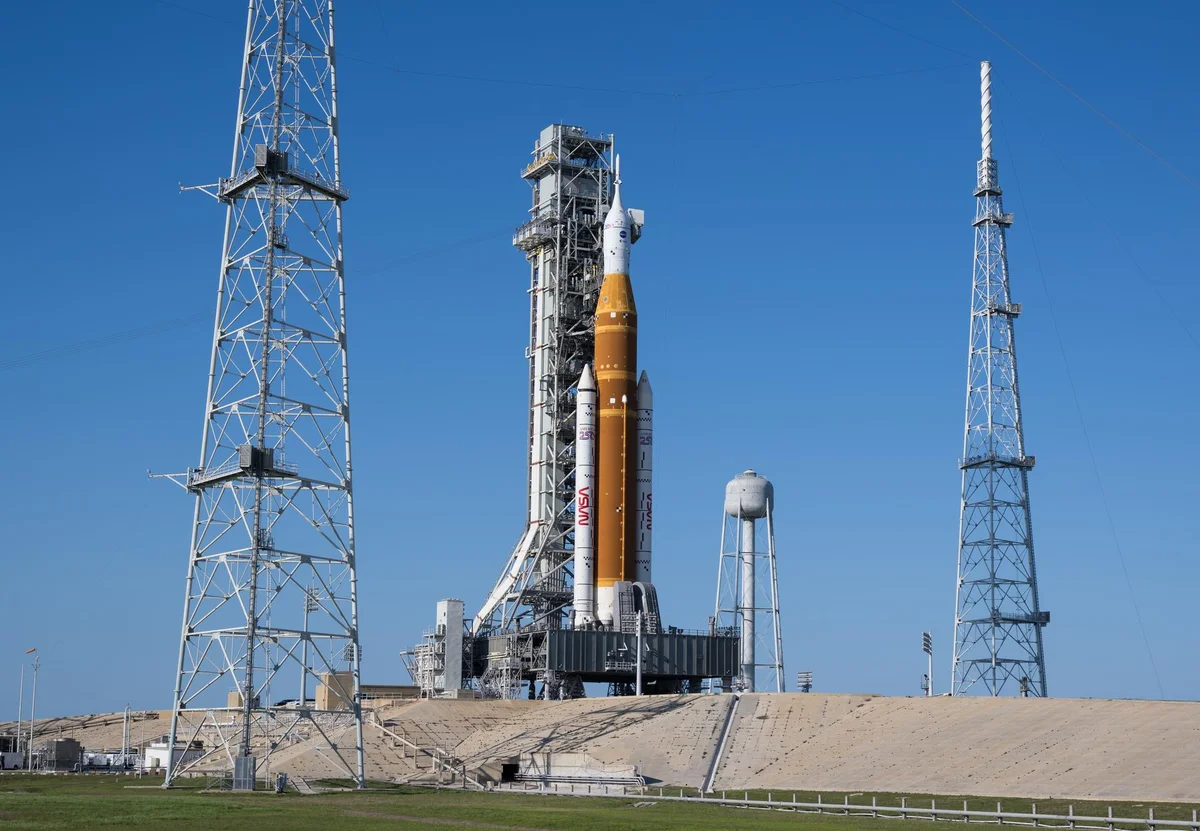

The upcoming Artemis II launch is one of the most anticipated space events in recent history. As part of the larger Artemis programthis mission will mark the first time humans travel around the Moon in over 50 years. If you want to witness this historic moment live, there are several ways to watch it from anywhere in the world.
What Is Artemis 2 and Why It Matters
NASA is leading the Artemis missions with the goal of returning humans to the Moon and eventually sending astronauts to Mars. Artemis II will be the first crewed mission in this program, sending astronauts aboard the Orion spacecraft using the powerful Space Launch System.
Unlike earlier test missions, this flight will carry a full crew on a journey around the Moon and back to Earth. It represents a critical step toward long-term lunar exploration and future deep space travel.
Because of its importance, millions of viewers worldwide are expected to tune in.
Official Live Streams You Can Watch
The easiest and most reliable way to watch the Artemis II launch is through official broadcasts. NASA will provide full coverage before, during, and after the launch.
Here are your best options:
- NASA’s official live stream on its website and app
- NASA TV broadcast on cable and satellite channels
- NASA’s YouTube channel with high-quality streaming
- Social media platforms like X and Facebook for live updates
These streams typically begin hours before liftoff. You will get expert commentary, astronaut interviews, and behind-the-scenes insights that make the experience more engaging.
Launch Date and Timing
The exact launch date for Artemis II may shift depending on weather conditions and technical readiness. Space launches are highly sensitive operations, so delays are common and expected.
To stay updated:
- Follow NASA’s official announcements
- Check countdown trackers on space-related platforms
- Enable notifications for live stream channels
It is always a good idea to tune in early, as coverage usually starts well before the scheduled launch time.
Watching the Launch in Person
If you are able to travel, watching the launch live is an unforgettable experience. The mission will launch from Kennedy Space Centerone of the most famous spaceports in the world.
Here are some tips if you plan to attend:
- Book tickets in advance through official visitor centers
- Arrive early to secure a good viewing spot
- Bring essentials like water, sunscreen, and binoculars
- Follow safety and security guidelines at all times
Nearby viewing areas such as Cocoa Beach and Titusville also offer great vantage points for the launch.
Best Ways To Watch From Home
If you cannot attend in person, you can still enjoy a great viewing experience at home. With the right setup, it can feel almost as exciting as being there.
Consider the following tips:
- Use a large screen or smart TV for better visuals
- Connect external speakers or headphones for clear audio
- Watch with friends or family to share the moment
- Join live chats or discussions for a community experience
Streaming in high definition makes a big difference, especially during liftoff when details matter most.
What To Expect During the Launch
Watching a rocket launch is more than just seeing it lift off. The broadcast will guide you through every stage of the mission.
Key moments include:
- Final countdown and engine ignition
- Liftoff and initial ascent
- Rocket stage separation
- Orion spacecraft deployment
- Mission control updates and astronaut communication
Each phase brings its own excitement, and the commentary helps you understand what is happening in real time.
Why You Should Not Miss It
Artemis II is not just another launch. It is a milestone in human exploration. For many people, it will be the first time witnessing astronauts travel beyond Earth orbit in decades.
This mission symbolizes progress, innovation, and the next chapter of space exploration. Watching it live connects you to a global audience sharing the same sense of wonder.
It also inspires future generations to think about science, technology, and the possibilities of space travel.

Comments are closed.