

Health Talk: In an era where health information is often overwhelming and contradictory, Tezzbuzz Lifestyle has launched its newest reader-centric initiative: Tezzbuzz Health Talk. Also read | Neurologist with 30 years of experience shares ‘what can be as powerful as medication for long term migraine prevention
Every week, we invite Tezzbuzz readers to share their most pressing medical concerns regarding a specific health issue. We then take those ‘burning questions’ directly to the country’s leading medical specialists to provide you with clarity, comfort, and clinically-backed solutions.
To kick off the series, we dive into a condition that affects millions yet remains widely misunderstood: migraines.
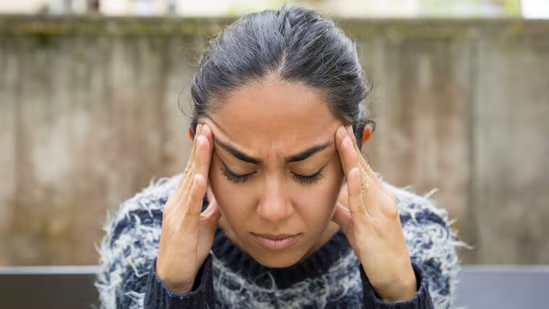
Characterised by intense, throbbing pain — often localised to one side of the head — migraines are far more than ‘just a headache’. They are disabling neurological events that can last anywhere from 4 to 72 hours, frequently accompanied by nausea, vomiting, and extreme sensitivity to light and sound.
This week, Tezzbuzz readers reached out with a flurry of concerns ranging from caffeine dependency to the dreaded ‘summer trigger’. To provide expert insight, we tapped Dr Pradyut Ranjan Bhuyan, senior consultant of neurology at Manipal Hospital, Bhubaneshwar.
With over 24 years of experience, Dr Bhuyan breaks down your most frequent queries:
1. How to overcome migraine pain that lasts for days with nausea and watery eyes?
Migraines, or migraine, can last for days because the brain remains in an overstimulated, sensitive state. The goal during an attack is to reduce that overload. Resting in a dark, quiet room helps reduce sensory input, while staying hydrated helps prevent the headache from worsening. A cold compress on the forehead or neck can dull the pain. Medication is most effective when taken early, ideally at the first warning sign rather than after the pain intensifies.
To ease associated symptoms:
⦿ Take small, frequent sips of water or electrolyte drinks to manage nausea
⦿ Try ginger (tea or raw) or peppermint for stomach relief
⦿ Avoid screens, noise, and strong smells, which can worsen sensitivity
If migraines regularly stretch to 2–3 days, it may be a sign that preventive treatment is needed, not just pain relief.
2. I have a habit of drinking tea for headaches. How can I remove this dependency?
Tea contains caffeine, which can temporarily narrow blood vessels and relieve headache pain. However, regular use can make your body dependent on it, so when you skip it, withdrawal can trigger another headache. The best approach is gradual reduction rather than stopping suddenly, as abrupt withdrawal can worsen symptoms. You can slowly reduce the number of cups, switch to lower-caffeine options, and eventually replace it with herbal teas or warm water. At the same time, improving sleep quality and hydration helps address the root cause rather than relying on caffeine.
3. How to manage migraines during summer and feel better?
Summer often worsens migraines due to dehydration, heat exposure, and bright sunlight. These factors can trigger or intensify attacks by stressing the body. Staying consistently hydrated throughout the day is one of the most effective preventive steps. Wearing sunglasses outdoors, avoiding stepping out during peak afternoon heat, and keeping your head cool can help reduce triggers. Eating at regular intervals is equally important, as skipping meals in hot weather can quickly lead to headaches.
4. Why do migraines start right after waking up and last all day despite medication?
Morning migraines often indicate underlying triggers that build overnight. Poor sleep quality, irregular sleep timing, late-night screen exposure, or even mild dehydration can contribute. Low blood sugar after long gaps without food and neck strain from poor sleeping posture are also common causes. Addressing these factors can make a big difference. Maintaining a consistent sleep schedule, limiting screen time before bed, ensuring proper pillow support, and having a light snack before bed, if needed, can help reduce these early-morning attacks. If they persist, preventive medication may be required.
5. My mom gets migraines in sunlight and while travelling. What is the best cure?
There isn’t a single cure for migraines, but identifying and controlling triggers is key. In your mother’s case, sunlight and motion seem to be strong triggers. Protecting her eyes with high-quality sunglasses, covering her head when outdoors, and avoiding direct sunlight can reduce attacks. During travel, staying hydrated, avoiding strong smells, and taking breaks can help. If motion itself is a trigger, a doctor may suggest medications to prevent travel-related symptoms. With consistent care and the right treatment plan, the frequency and severity of migraines can be reduced significantly.
6. What is the best cure for vestibular migraine?
Vestibular Migraine is a type of migraine where dizziness, imbalance, or a spinning sensation is more prominent than headache. Management usually involves preventive medications to reduce attack frequency and vestibular rehabilitation exercises to improve balance. Avoiding triggers such as stress, poor sleep, and certain foods also plays an important role. Because symptoms can overlap with other conditions, proper diagnosis and guided treatment from a specialist are important.
7. What causes migraine?
Migraines are caused by complex changes in brain activity, including fluctuations in brain chemicals like serotonin and altered nerve signaling. They often run in families, suggesting a genetic link. However, triggers play a major role in when an attack actually occurs. These can include stress, lack of sleep, weather changes, hormonal fluctuations, dehydration, and certain foods. Understanding personal triggers is essential because causes can vary significantly from one person to another.
8. Is migraine related to periods?
Yes, migraines are commonly linked to hormonal changes. Menstrual Migraine occurs when estrogen levels drop just before menstruation. This hormonal shift can trigger headaches that are often more intense and harder to treat. Tracking the menstrual cycle can help predict these migraines, and doctors may recommend preventive strategies or medications around that time to reduce their severity.
9. Can certain foods trigger migraine or help manage it?
Food triggers are highly individual, but some common culprits include processed foods, aged cheese, chocolate, and foods containing additives like MSG. Irregular caffeine intake, either too much or sudden withdrawal, can also trigger headaches. On the other hand, maintaining a balanced diet with regular meals helps stabilise the body and prevent sudden drops in energy. Foods rich in magnesium, such as nuts and seeds, may support better migraine control. Keeping a food diary alongside migraine episodes is one of the most effective ways to identify personal triggers.
10. What is the quickest way to fix a migraine? Any hack?
There’s no instant cure, but acting early can sometimes stop a migraine from fully developing. The moment you feel the first signs, taking your prescribed medication can prevent the attack from escalating. Hydrating immediately and moving to a calm, dark environment helps reduce sensory overload.
You can also try:
⦿ Applying a cold compress to the head or neck
⦿ Having a small amount of caffeine (only if you’re not dependent on it)
⦿ Practising slow, deep breathing to reduce stress response
What this really means is that migraines respond best to early intervention and long-term prevention. If they are frequent, severe, or not improving with usual medication, it’s important to move beyond quick fixes and focus on a structured treatment plan.
What’s your health concern? Stay tuned for next week’s topic announcement on our social media handles. Your question could be the one we put to the experts next.
Note to readers: This article is for informational purposes only and not a substitute for professional medical advice. Always seek the advice of your doctor with any questions about a medical condition.

Comments are closed.