

A few years back, humanoid robots felt like a showpiece. You would see them at tech events. A robot walks slowly. It waves. It picks up a small box. People clap. Then nothing much changes. Now things feel different.
In the last two or three years, progress in humanoid robots has accelerated. Movements look more natural. Balance is stronger. Reactions are quicker. And the software inside these machines has improved a lot.
This is not just a robotics story. It connects directly to consumer tech — the phones in our hands, the smart devices in our homes, and the services we use every day.
What Changed So Fast?
Most people think better robots mean better motors and stronger metal parts. That matters. But the real jump has come from AI. Robots today are powered by advanced AI models. They are trained on huge amounts of data. They can recognize objects better. They understand speech more clearly. They can adjust when something goes wrong.
Earlier, if a robot dropped something, it would freeze. Now it tries again. If something is slightly out of place, it adjusts its grip. If a path is blocked, it slows down and finds another route. These sound like small improvements. In robotics, they are not small.
At the same time, hardware has improved quietly. Batteries last longer. Sensors are more accurate and cheaper. Motors are lighter but stronger. This mix of smarter software and better parts is pushing robots forward faster than many expected.
From Factories to Daily Life
Right now, most humanoid robots are working inside factories and warehouses. That is logical. These places are controlled. Floors are even. Tasks are repeated again and again. It is easier to test machines in such spaces. But technology does not stay in one corner forever.
Computers started in offices. Later, they came home. The internet began in research labs. Then everyone got online. Smartphones were once expensive business tools. Now they are normal. Humanoid robots may follow a similar path.
Once companies feel confident about safety and reliability in factories, they will slowly push toward wider use. That is where consumer tech comes in.
What Could Happen Inside Homes?
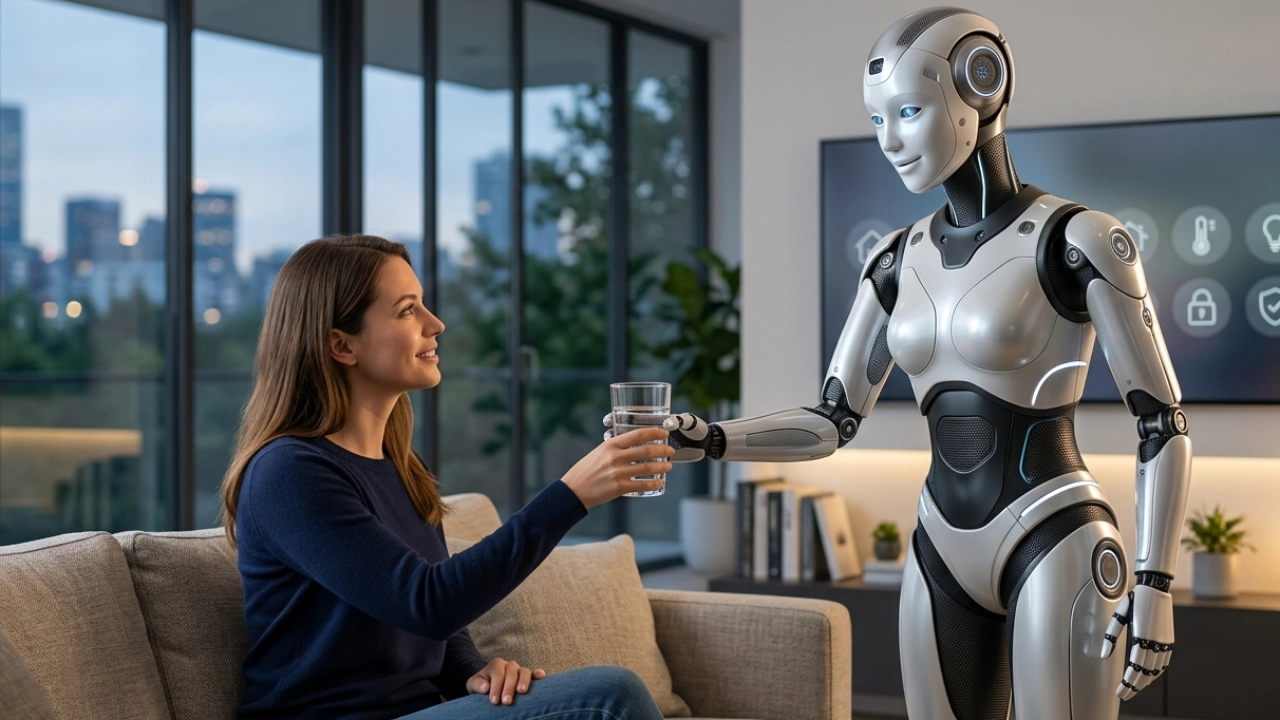
Today, smart homes mostly mean voice assistants, smart lights, and security cameras. They respond when we speak. They follow commands. But they cannot move around and help physically. A humanoid robot changes that picture.
Imagine a machine that can carry grocery bags from the door to the kitchen. Or bring a glass of water to someone who has trouble walking. Or help move a heavy chair slightly. These ideas are already being tested in small programs. They are not common yet, but they are not science fiction either.
There are still big challenges. The price is high. Safety must be perfect. Machines must work smoothly for long hours. But if costs drop over time, home robotics could become part of the smart home story.
Phones Will Still Be the Center
Even if humanoid robots become common, smartphones will not disappear. In fact, phones may become the control center for robots. People will want to check what the robot is doing. They will want to schedule tasks. They will want alerts if something goes wrong.
This means new apps and new software layers. Just like we control smart lights and cameras through apps today, we may control robots the same way. For big tech companies that already manage mobile systems, this is an opportunity. They can connect robotics to their existing platforms.
Stronger Chips, Smarter Devices
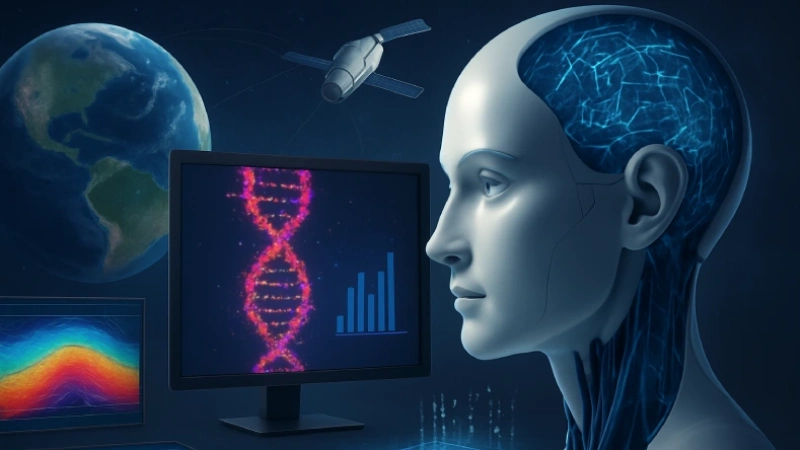
A humanoid robot needs fast thinking power. Some data can be processed in the cloud. But many decisions must happen instantly. That requires strong chips inside the robot itself. As chip makers build more powerful AI processors for robots, similar improvements may show up in other consumer devices.
Phones, tablets, and smart home hubs may get better local AI features. Devices could rely less on constant internet connections and handle more tasks on their own. Robotics could quietly push the entire consumer hardware market to improve.
Privacy Will Be a Big Topic
A humanoid robot working inside a home will likely use cameras and microphones. That makes people nervous. And it should raise questions. Where is the data going? Is it stored in the cloud? Is it protected well?
We already saw debates around smart speakers and home cameras. A moving robot with cameras will bring even more attention. Companies that focus on strong security and clear rules may earn trust. Those who ignore privacy may face problems. Trust will be key if robots are going to enter private spaces.
Changes in Retail and Services
The impact is not limited to homes. Retail stores are testing automation. A humanoid robot could help customers find products, check stock, or move items in the back. This could reduce waiting time and improve efficiency.
Healthcare is another area where robots could play a role. Many countries have aging populations. Caregivers are under pressure.
A robot that can remind someone to take medicine, help them stand up, or alert family members during a fall could be useful. These are not final solutions. But they are serious experiments happening right now.
The Cost Problem
Let’s be clear. Humanoid robots are expensive. They are complex to build. Production is not yet at a huge scale. Research and development costs are high. That means we are not going to see affordable home robots next year.
But history shows that prices can fall quickly once production increases. TVs were once luxury items. So were laptops and smartphones. If major tech companies invest heavily in robotics manufacturing, costs may come down over time. It will not happen overnight. But it can happen.
Global Competition Is Heating Up
This is not a race limited to one country. Companies in the United States, China, and Europe are investing in humanoid robotics. Some focus first on factory work. Others are trying to build more flexible machines that can handle different tasks.
When multiple companies compete, progress often speeds up. Features improve. Mistakes are corrected. Investors provide funding. Public interest grows. This competition is one reason why development feels faster now compared to a few years ago.
Challenges That Still Exist
Even with rapid progress, many issues remain. Battery life is still limited. Repairs can be costly. Safety rules are not fully settled. Governments may introduce regulations about how robots can operate in public or private spaces. There is also a human side. Not everyone is comfortable with the idea of a human-shaped machine walking inside their home. Acceptance will take time. Adoption will likely be slow and step by step.

The Road Ahead
In the next few years, expect more testing in real-world environments. Factories will expand their use. Retail chains will try pilot programs. Healthcare providers will test support roles. Consumer models may first appear at high prices, aimed at early adopters.
Over time, improved design and larger production could reduce costs. Meanwhile, consumer tech companies will continue improving AI systems, chips, and connected ecosystems in the background. By the time humanoid robots feel normal, much of the tech foundation will already be built.
A Quiet but Important Shift
For years, consumer tech has mostly been about screens. We type, tap, scroll, and speak. But the action stays digital. Humanoid robots represent a move toward physical help. Machines that can move, lift, and assist in the same space as humans.
The speed of progress right now is hard to ignore. It is visible in real deployments, funding activity, and product demos that look more stable than ever before. The full impact will take time to show. But the direction is clear.
Humanoid robots are no longer slow experiments that only appear on stage. They are entering real workplaces and testing the edge of consumer life. If this pace continues, consumer tech in the coming decade may look very different from what we are used to today.

Comments are closed.