
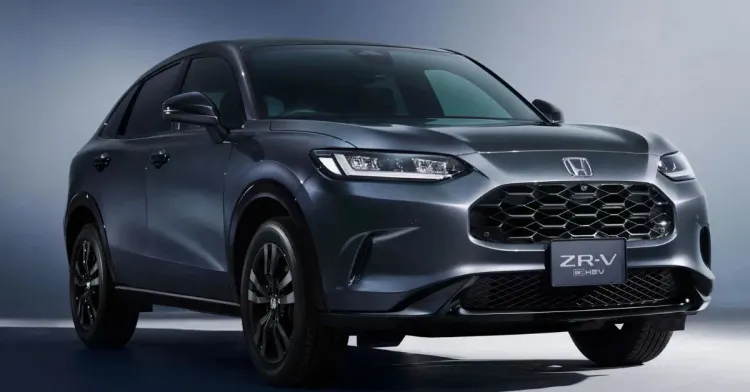

Hybrids will be the next big thing in India’s automotive space. The country is set to witness the influx of strong hybrid models spanning segments and price points. Fuel efficiency and operating costs still play a key role in shaping purchase decisions here. For decades, diesel cars and SUVs have been the go-to options for the cost and value conscious buyers. These typically have significantly lower operating costs than petrol cars. Hybrid models will soon take over and can potentially become the ‘new diesel’. This article will explain how.
Decoding The Cost Factor
The Indian market, as such, is very cost-sensitive. Both the upfront costs and operating costs are critical in shaping purchase decisions. Diesel cars, as you know, have higher upfront prices than petrol ones.
If they are still popular, it means the savings brought about by the difference in petrol-diesel prices and the fuel efficiencies of these, offset the difference in upfront costs. In other words, people are willing to spend if long term ownership can bring significant savings. This is exactly the proposition that hybrid cars pitch.
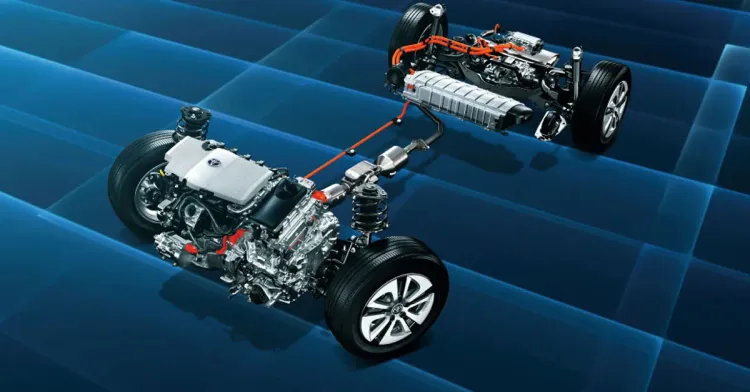
That of hybrids is an evolving landscape. For now, strong and plug-in hybrids (PHEVs) are the most familiar. The former is considered by many as the possible replacement of diesel cars and SUVs. Strong hybrid models offer significantly higher fuel efficiency than non-hybrid petrol engines. In some cases, it even matches that of diesel vehicles.
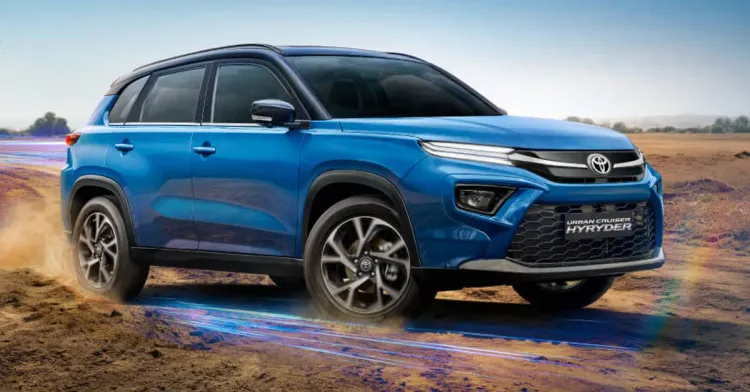
The Toyota Urban Cruiser Hyryder (or the Maruti Suzuki Grand Vitara/ Victoris) for example, delivers around 27 to 28 km/l in certain conditions. This is in fact, better than the mileage of many of its diesel-powered counterparts. The 1.5L diesel engine on the Creta (which continues to be the segment leader) typically delivers 12-17 kpl in city driving. Most diesel engines are typically less efficient in stop-and-go traffic.
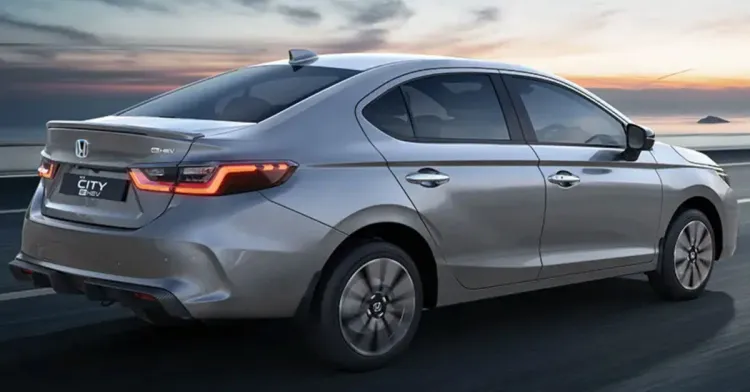
The city is where strong hybrids excel in, as low-speed driving gives enough opportunities for the system to engage its all-electric drive mode or minimize petrol engine usage and save fuel. These efficiency figures will vary with individual use cases and driving styles. The takeaway here is that there are scenarios in which strong hybrid powertrains can be as fuel efficient as diesel engines.
Another area of savings is the maintenance front. Most diesel engines are more expensive to maintain than petrol engines of corresponding displacements. Hybrids, on the other hand, aren’t very expensive to maintain. Yes, replacing the hybrid battery pack can be expensive in some cases. Manufacturers usually offer comprehensive warranty coverage on these, to make life easy for owners.
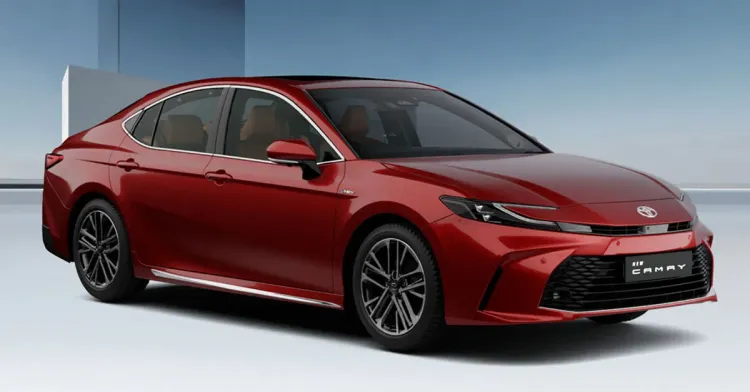
That said, replacing the hybrid battery on a Toyota Camry can cost anywhere between Rs 3.5 lakh to Rs 5.5 lakh. On models like the Hyryder, a full replacement of the hybrid battery can cost approximately Rs 2-3 lakh. Save for this, the maintenance costs of most strong hybrids are less than those of diesels, especially in the long run and under consistent use.
Hybrids Have Diesel-Like Torque Delivery
Diesel engines have a unique character when it comes to torque delivery. Most diesel engines deliver strong low-end torque. This makes them fun-to-drive under heavy leads and on highways. Strong hybrid powertrains have a similar character. They use electric motors to deliver instant torque from standstill. In a way, this mimics the acceleration curve of a conventional diesel car.
If it manages to match the same or not remains a different question altogether. Smooth and quick acceleration at low speeds is a trait that most diesel engine lovers would appreciate on a hybrid vehicle.
Hybrids Becoming New Diesels: What Catalyses The Shift?
Tightening emission regulations and increasing diesel prices have been accelerating the shift. Hybrid technology, as such, has improved over the years, leaving little room for complaints. These are incentivised in some cities, further adding to their acceptance. All in all, more buyers are now seeing hybrids as the modern alternative to diesel powertrains.
This has been reflecting in their market shares as well. In 2022, hybrids enjoyed 0.5 percent market share in India. In 2025, this rose to roughly 2%. The growth is evident. With more strong and plug-in hybrid models set to arrive soon, this is only set to increase in the foreseeable future. Analysts suggest hybrids could touch 18-20% market share eventually.
Recent years have also seen a drop in the acceptance of diesel powertrains. In the financial year 2025, the market share of diesel cars stood at roughly 18%. It used to be much higher a decade ago.
Fears associated with diesel ban and emission- related policy amendments have slowed down adoption. The upcoming BS7 regulation will only make diesel engines pricier as compliance would require expensive technology in these engines. Adoption of small capacity diesel engines may decrease further with this transition.
Is Hybrid The New Diesel?
Partially yes! ‘Hybrid is the new diesel’ when the conversation is about small capacity diesel engines, the likes of what you find in models like the Creta and Sierra. Strong hybrid SUV alternatives like the Hyryder and Victoris have clear advantages over these, especially in stop-and-go traffic.
Most of the current strong hybrid setups would struggle to match the performance of larger diesel engines, and may even lose out on the efficiency front if the user drives mostly on highways.

Comments are closed.