

Shop their recommendations from Brooks, Hoka, Saucony and more.
Your feet are the first point of contact with the ground—and if you’re a runner, you probably know that your feet are the first line of defense when it comes to the mechanical stress of running. “Running generates a force two to three times your bodyweight,” says Anne Sharkey, D.P.M., FACFASfounder of Solely Podiatry. Newbie runners are more susceptible to injury because their bodies haven’t adapted to the stress of running, and wearing the wrong running shoe can increase their risk of injury.
When I asked Sharkey and Nasim Kalhor, D.P.M.podiatrist at Foot & Ankle Concepts Inc. in California and founder of Dr. Antifungusabout how to choose a running shoe, they both had the same advice: The best shoe is the one that fits your specific foot and provides support and stability. “Whether you have a high arch, flat feet (try the Saucony Omni) or neutral mechanics (consider the Brooks Glycerin), the shoe should match your foot type,” says Kalhor.
The Best Shoes for Running, According to Podiatrists
- Brooks Ghost 17 Running Shoe, $120 (was $150) at amazon.com
- Brooks Glycerin 23 Running Shoe, $175 at amazon.com
- Brooks Glycerin GTS 23 Running Shoe, $180 at amazon.com
- Saucony Omni 23, $170 at saucony.com
- Asics Gel-Nimbus 28, $170 at zappos.com
- Hoka Clifton 10, $155 at hoka.com
Other running shoe essentials include a breathable upper, a flexible forefoot, a durable outsole to prevent injury and encourage efficiency and a toebox that’s roomy enough for the toes to splay naturally.
Cushioning in the midsole to absorb the shock of impact is important, but more cushioning isn’t always better. “Cushioning in running shoes does serve a purpose, and that purpose is to reduce joint, tendon and muscle fatigue as well as to attenuate impact with ground contact,” says Sharkey. For new runners, this is especially important because their bodies are not yet adapted to the repetitive demands of running. That being said, excessive cushioning can reduce proprioceptive feedback, or the foot’s ability to sense and respond to the ground, explains Sharkey.
With these guidelines in mind, these are the six running shoes that Sharkey and Kalhor recommend:
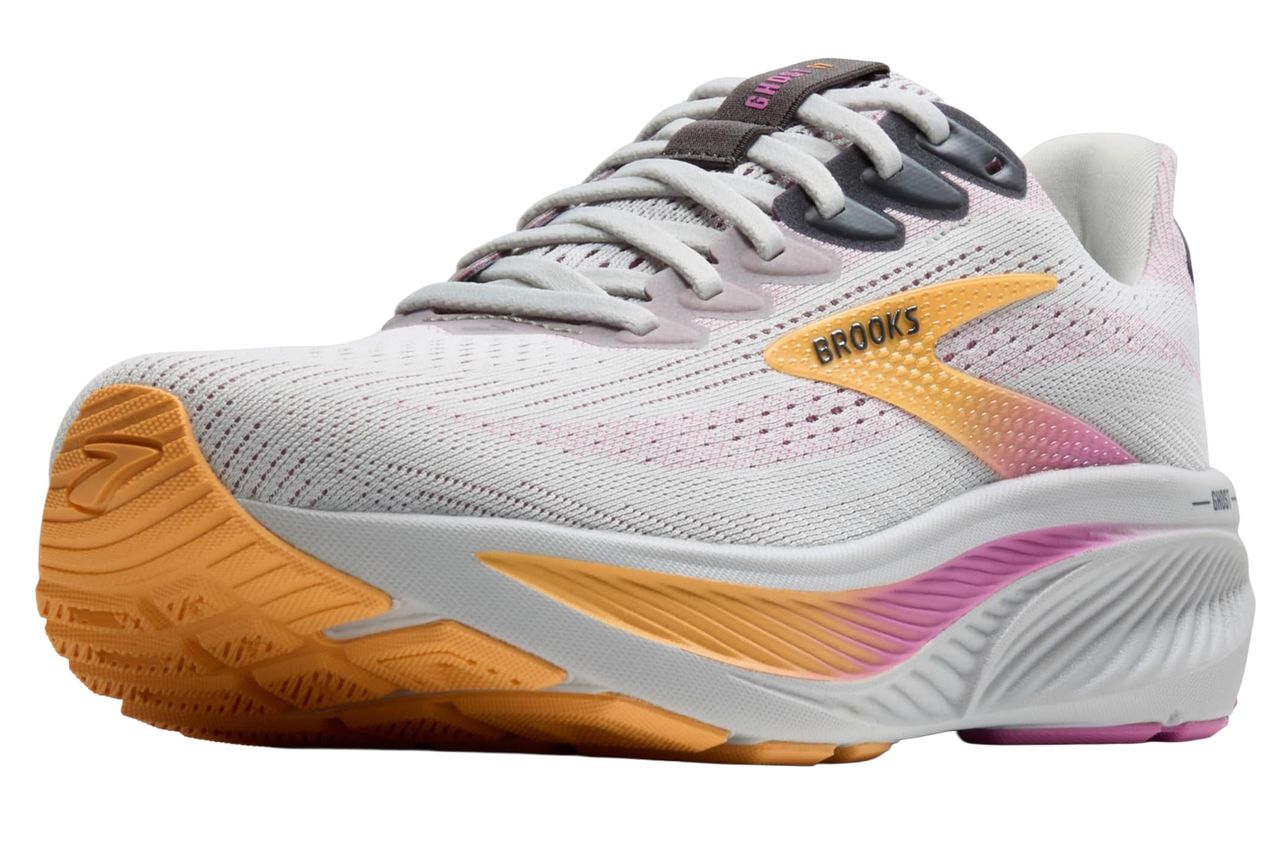
Brooks Ghost 17 Running Shoe
$150 $120 at Amazon
$150 $120 at Brooksrunning.com
Both Sharkey and Kalhor recommend Brooks sneakers for running. “One of the most universally well-tolerated shoes, it offers excellent cushioning, a neutral platform and a fit that works for a wide range of foot types,” explains Sharkey.
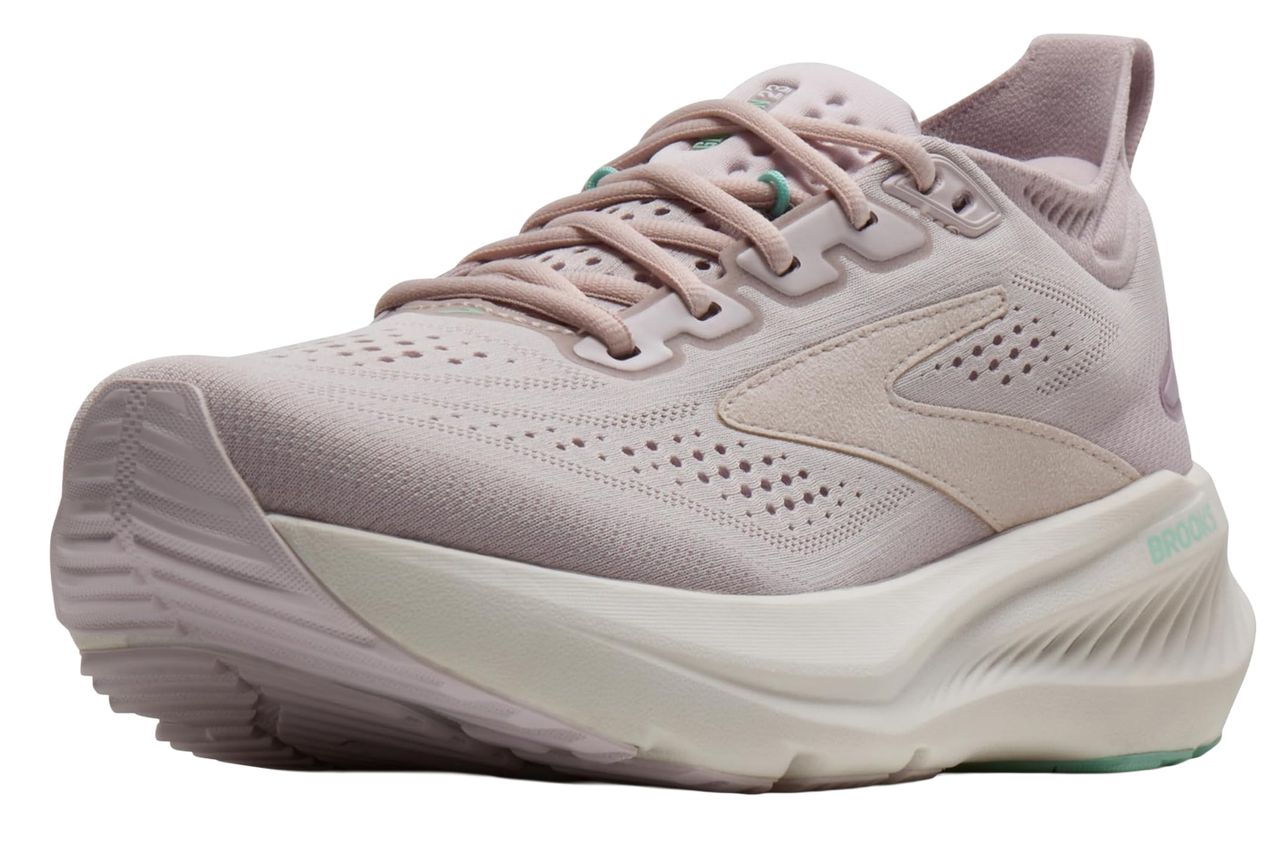
Brooks Glycerin 23 Running Shoe
$175 at Amazon
$175 at Brooksrunning.com
According to Sharkey, this shoe is great for neutral feet and comes in regular and max cushioning options. The max cushion option is the GTSlisted below. The Glycerin also has a nice, wide toebox. “One issue I commonly see in patients is shoes that are too tight in the front. Over time, that repetitive pressure can traumatize the nail bed, leading to nail lifting or detachment. Once that barrier is compromised, it creates an entry point for fungal infections,” says Kalhor.
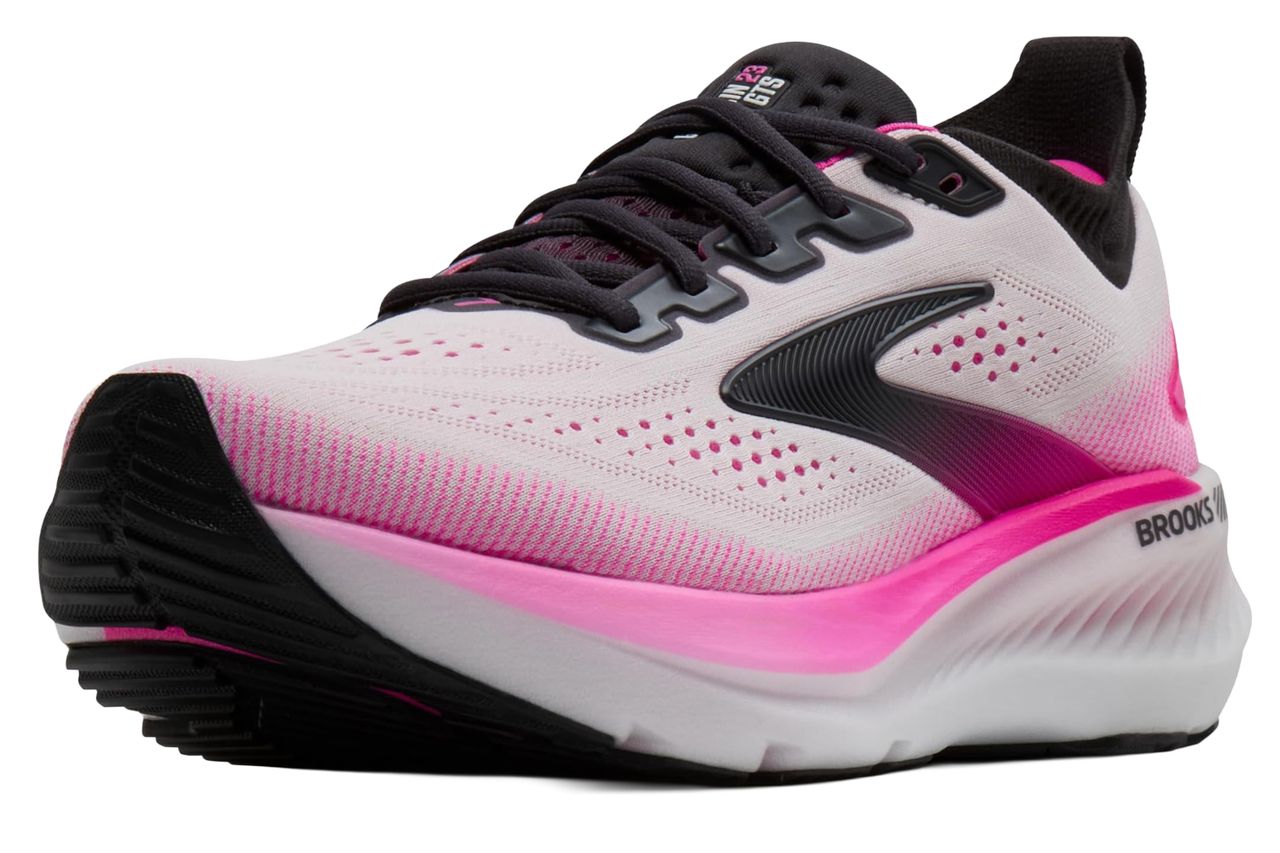
Brooks Glycerin GTS 23 Running Shoe
$180 at Amazon
$180 at Brooksrunning.com
The GTS in this Brooks shoe’s name indicates it offers more cushioning than the standard Glycerin 23, which is good for those new to running. “This shoe gives cushioning without loss of proprioception,” says Sharkey. Sharkey recommends a heel-to-toe drop in the moderate range for newer runners, which she defined as 6 to 10 millimeters. This cushiony Brooks shoe is in the middle of that range at 8 millimeters.
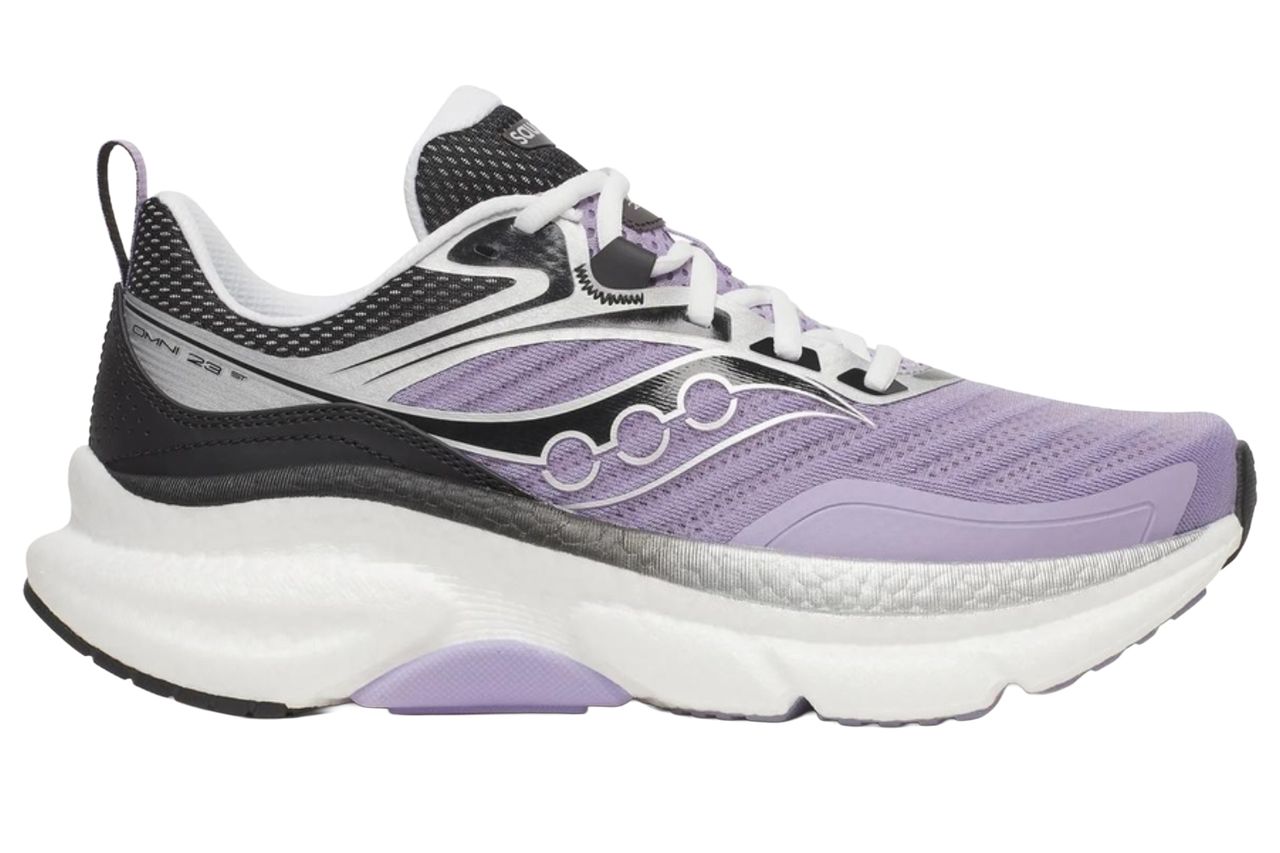
Saucony Omni 23 ST
$170 at Saucony.com
$170 at Amazon
If you have flat feet or pronate, Sharkey recommends the Saucony Omni. It has an optimal combination of shock-absorbing stability and support. If you’re content wearing an older model, the Omni 22 is nearly 50 percent off at Amazon right now.
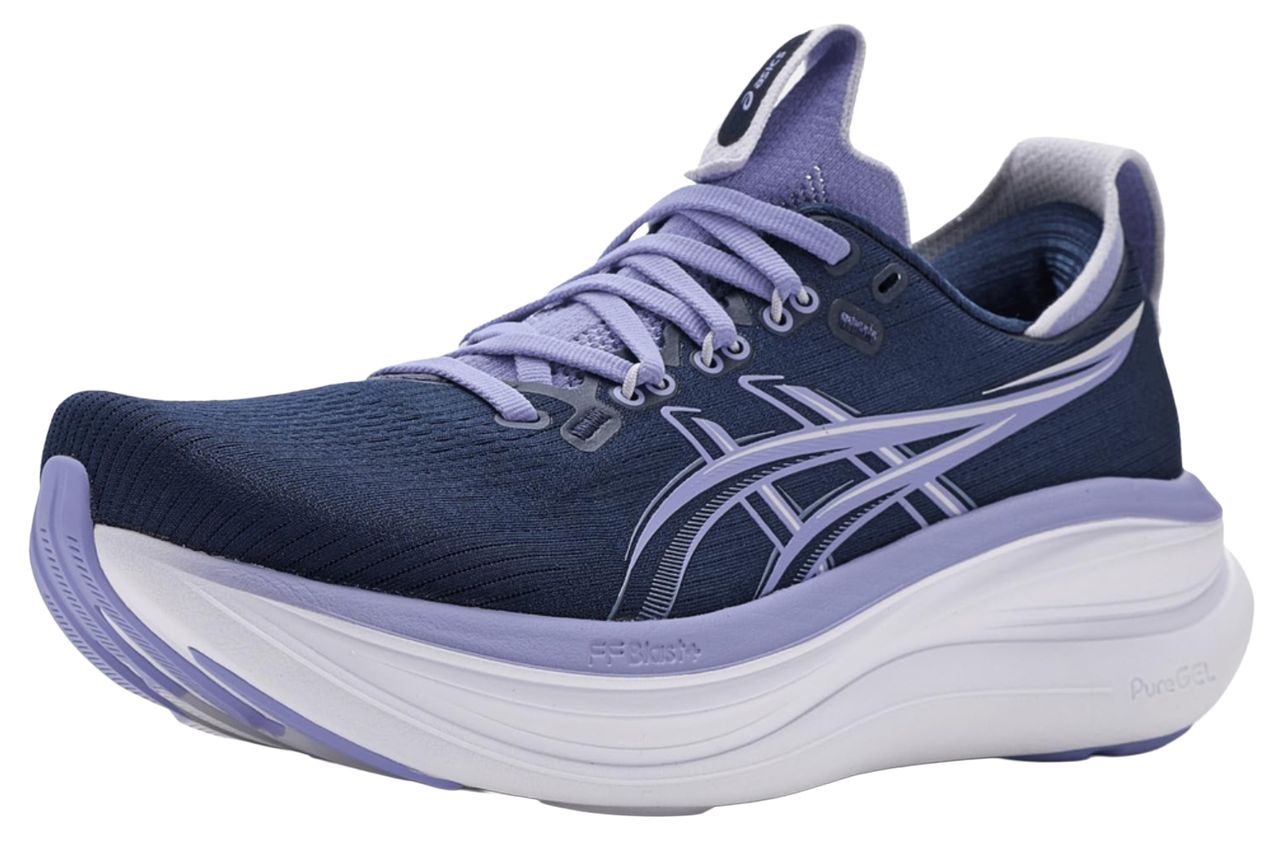
Asics Gel-Nimbus 28
$170 at Asics.com
$170 at Zappos
“Asics are excellent for stability and are great for patients who need more control in their gait,” says Kalhor. The Gel-Nimbus is ideal for neutral feet and runners who need support and cushioning. We like that this shoe also comes in a wide version.
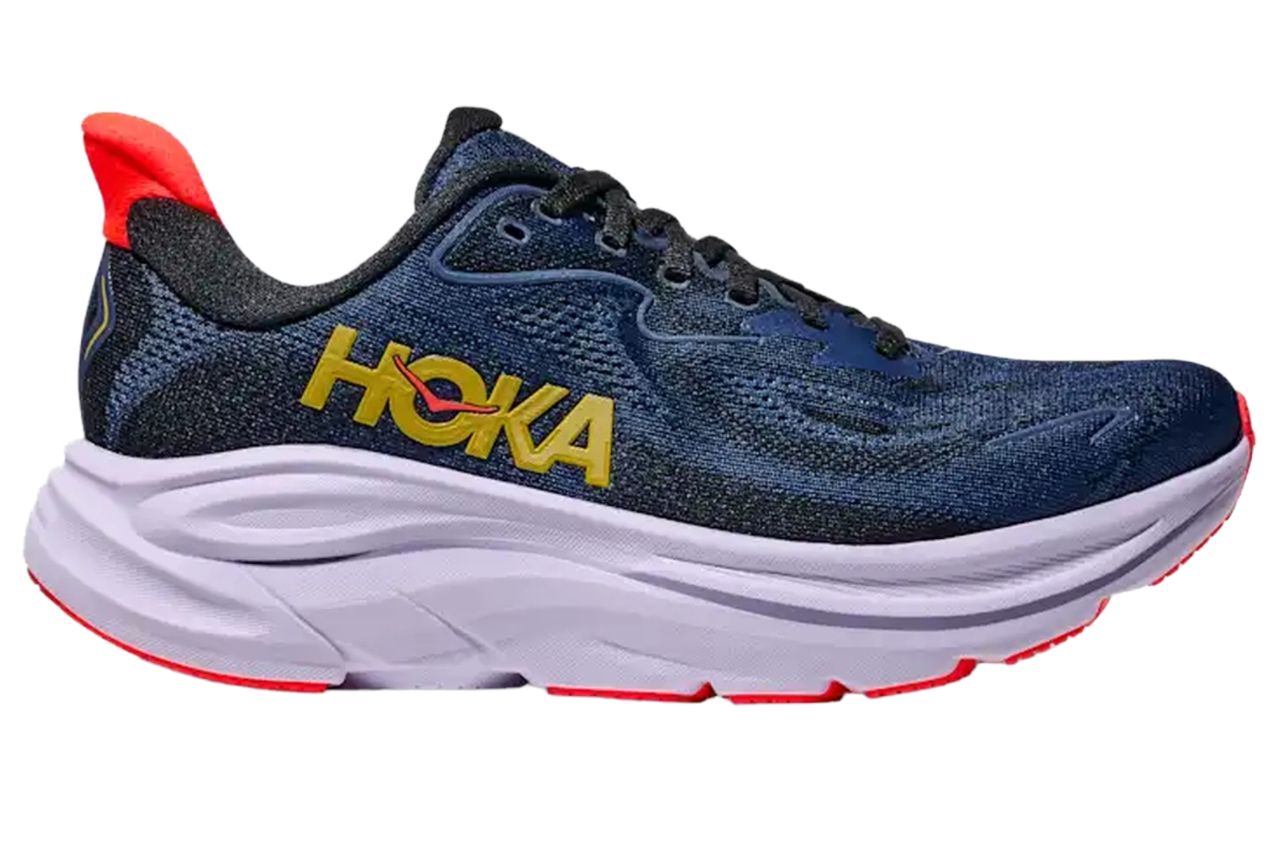
Clifton 10 disappointment
$155 at Hoka.com
$155 at Zappos
Hokas offer more cushioning, says Kalhor, which can help with shock absorption, particularly for runners who have heel pain or plantar fasciitis. Despite the extra cushioning that this shoe offers, it’s still fairly lightweight at just 8.8 ounces.
We independently evaluate all recommended products and services. If you click on links we provide, we may receive compensation.

Comments are closed.